Beneath Brisbane's streets, a slow-moving crisis is building — one made of wet wipes, cooking fat and sewage, and it costs millions of dollars a year to fight. The man responsible for keeping the city's vast underground pipe network flowing says wet wipes are now one of the biggest headaches his teams face, forming dark, foul-smelling masses known as fatbergs that clog pumps, block pipes and cause havoc at treatment plants across south-east Queensland.
"You can imagine what it smells like," said David Brooker, executive leader of operations and maintenance at Urban Utilities, the authority responsible for water and wastewater infrastructure across Brisbane, Ipswich, the Scenic Rim, Somerset and Lockyer Valley.
A Network Under Pressure
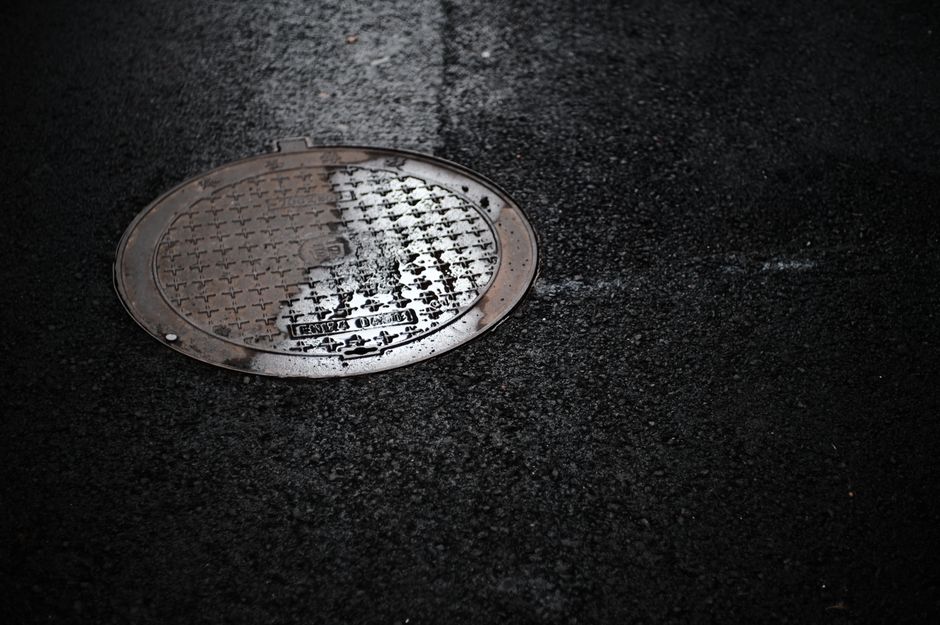
Urban Utilities oversees more than 20,000 kilometres of pipe, 28 wastewater treatment plants and 348 wastewater pump stations. Brooker leads a team working around the clock — including a 24/7 on-call crew for blockages, a central monitoring centre at the company's Fortitude Valley headquarters, and engineers steadily upgrading ageing infrastructure.
Despite that scale, the buried nature of the system means complete visibility is simply impossible. "Because all this infrastructure is buried, you can't actually see every bit of the infrastructure all the time," Brooker said.
In 2025, around 3,000 blockages in the wastewater network cost the organisation nearly $3 million to resolve — a figure Brooker says could be significantly reduced if residents were more careful about what they flush and pour down the drain.
What Fatbergs Are — and Why Wet Wipes Are the Problem
Fatbergs form when wet wipes — including those marketed as flushable — combine with oils and fats washed down kitchen sinks. Unlike conventional toilet paper, these wipes do not break down in water. Instead, they bind together with grease to create large, solid masses that can sit lodged in pipes for days or even weeks.
"It can clump up in pipes, it clogs up pumps or clogs up our treatment plants," Brooker said. The sewage trapped within these masses can fester for extended periods. "It's not a pleasant experience," he added.
Fatbergs are estimated to account for around 20 per cent of all blockages in the network. Urban Utilities says wet wipe usage has risen sharply, with wipes now appearing at treatment plants far more frequently than they did five — and certainly ten — years ago. A record-breaking 500-kilogram fatberg was pulled from the Brisbane network in 2021.
While fatbergs made national headlines after mysterious objects washed up on Sydney beaches, Brooker said Brisbane's heavy treatment processes mean Moreton Bay is not at similar risk — though that doesn't make the blockages any less serious for the system or the workers dealing with them.
Tree Roots and an Ageing Network
Fatbergs aren't the only enemy. Brooker identified tree roots as the single greatest challenge facing the network overall. Roots seeking out water are drawn to ageing pipes — some up to a century old — and Urban Utilities runs a routine program to identify vulnerable sections before they fail.
Network upgrades, whether through the cheaper option of re-lining existing pipes or the more expensive approach of duplicating them, are driven primarily by population growth rather than the age of infrastructure alone, Brooker said.
What Residents Can Do
Urban Utilities has launched a public awareness campaign — including a comic book titled Rise of the Fatberg distributed at the Ekka — urging Queenslanders to reconsider their habits at the sink and toilet.
The fix, Brooker says, is straightforward: avoid flushing wet wipes, even those labelled flushable, and wipe cooking oils and fats from pans into the bin rather than rinsing them down the drain.
"What we're really wanting people to be aware of is what they put down their toilet and sink really matters," he said.
Have a story about infrastructure in your neighbourhood? Share your story with our team.