Australia's run at the 2026 FIFA World Cup is over, and for many of the nation's youngest football fans, the news has hit hard. The Socceroos were knocked out of the tournament by Egypt in a penalty shootout, ending what had been three weeks of green-and-gold excitement for families across the country. For children who followed every match closely, the exit can feel like more than just a loss on the scoreboard — and experts say how parents respond in these moments really matters.
Why children feel World Cup disappointment so deeply
Over the past three weeks, Australian children threw themselves into the World Cup experience. They watched matches with family and friends, debated the games at school, wore their colours proudly and nurtured genuine hope that the Socceroos might do something historic. When a campaign ends so abruptly — particularly in a penalty shootout — the emotional impact on young fans can be significant.
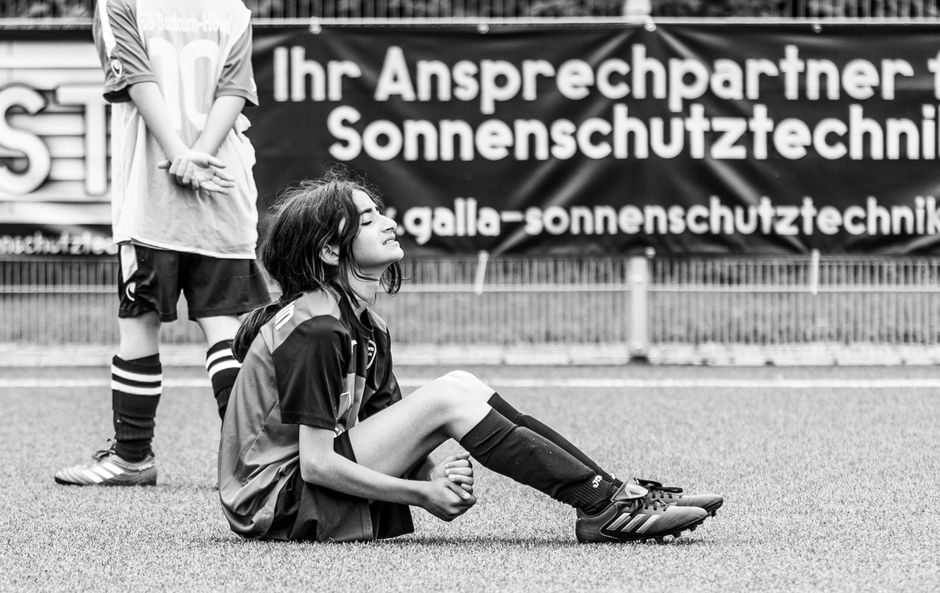
It is not simply about the result. For many children, the loss also signals the end of shared rituals: the late-night or early-morning kick-offs with parents, the playground conversations, the collective anticipation before each game. Some children may also feel distressed watching their favourite players visibly upset after the final whistle.
Child development researchers are clear that these reactions are entirely normal . They reflect how deeply children cared about the tournament, and they represent a genuine emotional experience that deserves to be taken seriously.
What not to say — and what actually helps
When a child is upset, a parent's natural instinct is to make the feeling go away as quickly as possible. Well-meaning phrases like "It's only soccer" or "Don't worry about it" are common responses — but research in developmental psychology suggests they can inadvertently dismiss what the child is genuinely experiencing, making them feel unheard rather than comforted.
An evidence-based alternative is a technique known as emotion coaching . Rather than trying to eliminate the difficult feeling, the approach helps children recognise, name and gradually learn to manage it — a skill developmental psychologists call emotional regulation. Research shows children develop this capacity most effectively through supportive interactions with trusted adults.
The first step is simple acknowledgement. Parents might say something like: "I know you were really hoping Australia would win — I'm disappointed too," or "It's OK to feel upset. You were really excited about this." Hearing their feelings validated helps children feel understood before they are ready to move forward.
Once a child feels heard, a parent can gently encourage them to explore what is bothering them most. Asking "What do you think has made you the most upset?" can open a useful conversation. The answer might be the loss itself, or it might be the absence of future matches to look forward to — both are legitimate sources of grief for a young fan.
Helping children see the bigger picture
After a child has had the chance to express how they feel, parents can guide them toward reflecting on the whole tournament experience rather than focusing solely on its ending. Questions like "What was your favourite moment?" or "Which goal will you remember most?" serve an important purpose: they remind children that disappointment is real, but it does not erase everything that came before it.
Parents can also gently reframe the journey itself. Phrases such as "It wasn't the ending we were hoping for, but wasn't it exciting watching the Socceroos get this far?" or "I loved watching the games with you" help place the result in a broader context of shared enjoyment and national pride.
The goal, researchers emphasise, is not to make the disappointment vanish. It is to help children understand that disappointment is one part of a much larger experience — and that it is something that can be felt, processed and eventually moved through.
Modelling healthy emotions as a parent
Perhaps most importantly, the way adults respond to this kind of disappointment can shape how children learn to handle setbacks throughout their lives. Parents do not need to pretend they are not upset — in fact, letting a child see that adults feel difficult emotions too can be genuinely reassuring.
What matters is demonstrating that those emotions can be handled constructively. Rather than directing anger at the referee, criticising players or dwelling bitterly on what went wrong, a parent who says "This is really sad, but I'm so proud of how the Socceroos played" is quietly teaching their child one of the most valuable lessons sport — or life — can offer.
The Socceroos' World Cup campaign may be over, but the conversations it sparks at home could leave a lasting impression on the young fans who followed every kick of the ball.