Western Australia's October proved to be one of the most unpredictable spring months in recent memory, serving up a striking mix of record heat in the north, rare hailstorms along the coast, frosty mornings in the south and spectacular lightning displays that lit up the skies over Perth and the Wheatbelt.
A Slow Start Before the Drama Unfolded
The month opened quietly enough in Perth, with classic spring conditions and daytime temperatures sitting comfortably in the low 20s. That calm did not last long. Within the first week, a slow-moving low pressure trough began generating isolated thunderstorms across the Goldfields and parts of the Gascoyne and Interior, while widespread rain fell across much of the South West.
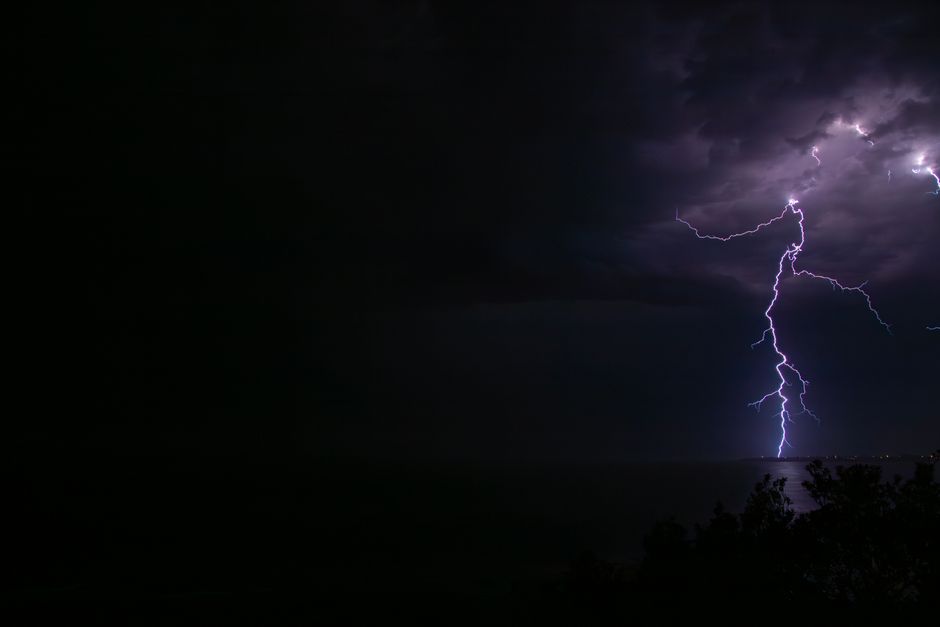
A more dramatic system followed shortly after, when a combination of surface and upper-level troughs triggered thousands of lightning strikes across far northern and eastern parts of Perth and into the Mid West and Central Wheatbelt. Despite the impressive electrical activity, rainfall totals from this system remained modest. Kalannie recorded the highest total, at just 12 millimetres.
Rare Hail Surprises Exmouth Residents
Among the most unusual events of the month was a thunderstorm that brought hail to Exmouth, a coastal town where conditions are normally too warm for hail to form. One local resident, who has lived in Exmouth for 30 years, said it was the first time she had ever witnessed hail there.
"It was a huge surprise to be woken up at 5am, sounded like bullet holes," she said.
The rare event drew widespread attention and underscored just how unpredictable October's weather patterns turned out to be across the state.
The North Sweltered While the South Shivered
Temperatures across WA told two very different stories depending on where you were standing. On some days, the gap between maximum temperatures in the Kimberley and parts of Eucla in the state's south-east stretched to as much as 25 degrees Celsius.
In the north, the heat was exceptional. Halls Creek, which has an average October maximum of 37.2C, peaked at 42C during its warmest day of the month. Broome climbed to 41.2C, nearly 10C above its October average of 33C. Heat records were challenged across multiple towns throughout the north.
Perth also ran warmer than usual, recording at least 12 days above its October average maximum of 23.4C.
Conditions in the south told an entirely different story. Towards the end of the month, a weak cold front pushed cool air across a wide area of the Great Southern and parts of the Goldfields, bringing frost to some locations. Narrogin dropped to 0C, well below its October average minimum of 7.5C. Collie in the South West recorded a minimum of 0.1C, compared to its average of 7.4C. While the bureau noted the burst of cold mornings was unusual, it was not without precedent for October.
A Wet Finish for the South-West Corner
The final week of October brought further unsettled conditions as cold fronts and low-pressure troughs swept through the region. Rainfall and showers were concentrated across the south-west corner and the interior, leaving some parts of those regions wetter than average for the month.
Across the state, residents and photographers captured the dramatic contrasts, from fog settling over Towerrinning Lake in the Wheatbelt and storm clouds rolling over the city skyline to golden sunsets at Broome's Cable Beach. October's weather served as a vivid reminder that spring in Western Australia can deliver almost anything within the same month, and sometimes within the same week.