Volodymyr Zelenskyy has firmly rejected calls for presidential elections in Ukraine, warning on Saturday that holding a vote while the country is at war with Russia would be catastrophic — and his remarks came as he faces a rare and pointed political challenge from a former close ally, ousted defence minister Mykhailo Fedorov.
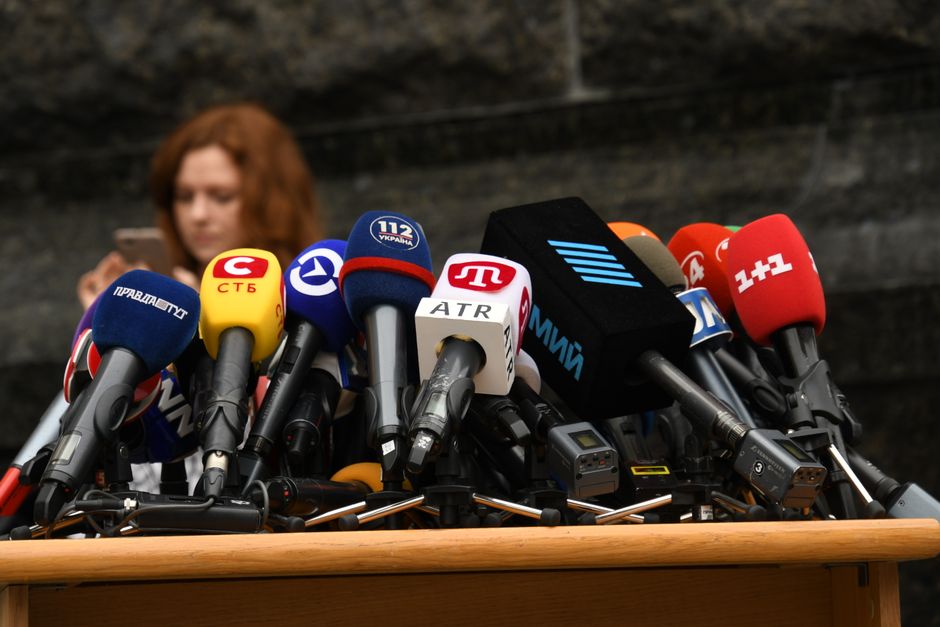
Speaking at a briefing with journalists, Zelenskyy was unequivocal. "I believe that in a war like this, elections as such are a huge risk," he said. "Elections right now are a tsunami for the country that will split Ukraine. If we want to destroy the country, then we can move in the direction of elections during these times of war."
A political crisis simmers within Ukraine
Ukraine's domestic political landscape has grown increasingly turbulent over the northern summer, following Zelenskyy's decision to dismiss Fedorov, a minister who had built considerable public support for championing drone warfare and pushing military reform. The sacking triggered widespread anger — thousands took to the streets demanding Fedorov's reinstatement — and the fallout ultimately compelled Zelenskyy to also remove his commander-in-chief.
The situation escalated further when Fedorov, days ago, made a surprise public call to find a way to organise elections. While he stopped short of explicitly declaring a presidential ambition, the move was striking enough that even some of his own supporters moved to distance themselves from him. His team has since confirmed he intends to travel to the United States in the near future — a visit widely expected to reignite speculation about whether he is positioning himself as a direct rival to Zelenskyy.
For those following the turbulence closely, this is not the first time Zelenskyy has faced serious pressure from within his own political circle. Earlier protests in Kyiv represented one of the starkest domestic tests of his wartime leadership, and the latest developments suggest that pressure has not abated.
Why elections remain off the table
Ukraine suspended elections when martial law was introduced following Russia's full-scale invasion in 2022, and that measure continues to enjoy broad public backing. An opinion poll indicates only 15 per cent of Ukrainians believe elections should proceed before hostilities end — a figure that underscores just how limited the appetite for a vote actually is among the general population, whatever pressure comes from political or foreign quarters.
Experts have pointed to a host of practical obstacles even if the political will existed. Among the most pressing: how millions of Ukrainian refugees living abroad, soldiers serving on the front lines, and residents of Russian-occupied territories would be able to cast ballots. The threat of Russian interference — and physical attacks on polling infrastructure — adds another layer of danger to any hypothetical vote.
Zelenskyy has previously faced similar calls from both Russian President Vladimir Putin and United States President Donald Trump, both of whom have suggested Ukraine should hold a presidential election despite the ongoing bombardment of Ukrainian cities with missiles and drones.
European support strengthens as leaders gather in Kyiv
Even as he managed the domestic pressure, Zelenskyy hosted a Nordic-Baltic summit on Sunday, meeting with several European leaders in Kyiv. He used the occasion to announce a new drone cooperation deal with Norway, describing it as an agreement that "strengthens cooperation between our defence sectors." Norway's Prime Minister also confirmed his country had pledged 85 billion Norwegian krone — approximately $12.5 billion Australian dollars — in support for Ukraine for the coming year.
On Monday, Ukraine's independence day, the country's key European backers are scheduled to meet and discuss Ukraine's current military challenges, including a widening air-defence gap exposed by Russia's increased use of ballistic missiles that are difficult to intercept. Ukraine has responded by stepping up its own long-range strike campaign, targeting Russian energy infrastructure and logistics networks including oil refineries and warehouses.
Despite the mounting pressures — military, diplomatic and now political — Zelenskyy remains largely popular among Ukrainians, even as frustrations with the prolonged conflict continue to grow.