When Allana Crew felt "something go" in her brain during a phone call with her father in 2019, she had no way of knowing she was about to lose her ability to speak — or that a specialist sitting in Melbourne, an hour-and-a-half away, would be instrumental in saving her life. The Gippsland mother was just 32, healthy, and four months into life with her second child.
A terrifying moment she couldn't explain
Allana, from the town of Loch in Victoria's Gippsland region, tried to alert her husband the moment something felt wrong — but the words simply wouldn't come.
"I went to go to my husband to say something's wrong. He was changing my son's nappy at the time and I couldn't talk," she recalled. "He said, 'Are you joking? Talk to me.' And I couldn't. I could hear what he was saying, but nothing would come out."
When she was eventually able to speak, her words were slurred. At the local hospital, the picture remained unclear. She was young, a non-smoker and non-drinker — doctors initially considered Bell's palsy as a possible explanation.
Telehealth specialist spots the stroke signs doctors on the ground missed
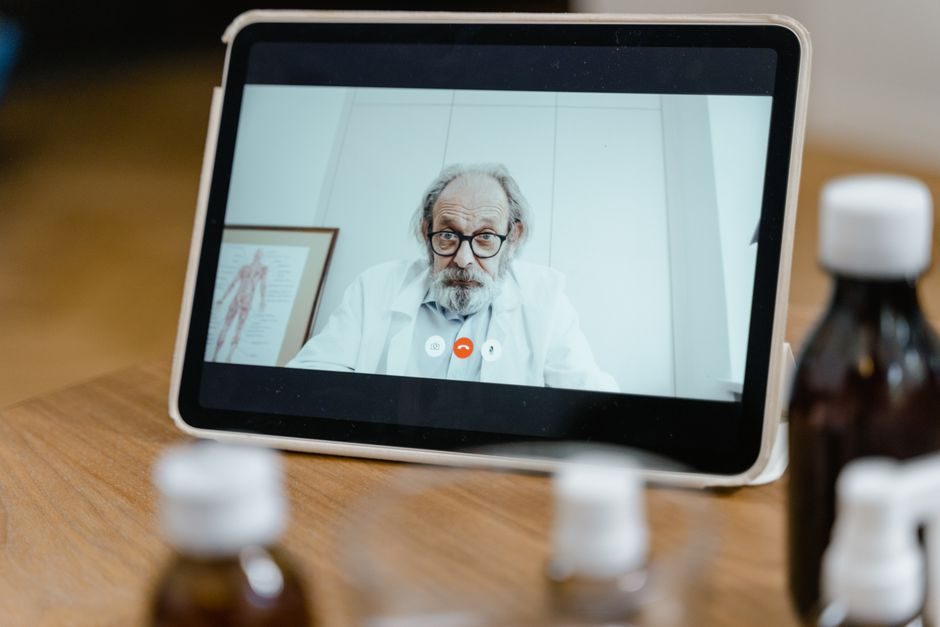
Despite the diagnostic uncertainty at the regional hospital, help arrived through a computer screen. Via a telehealth service known as Telestroke , a stroke specialist based in Melbourne was able to see Allana, speak with her husband, and guide the medical team around her — all in real time.
Because Allana was still struggling to speak, the specialist directed questions to her husband, asking whether her current state was normal. It was not. The specialist identified a cluster of warning signs: slurred speech, a drooping face and unusual changes in her vision. Her symptoms were not straightforward, and an initial scan returned no clear answer. The Melbourne specialist pushed for further imaging.
Days later, an MRI confirmed what had been missed: Allana had suffered a stroke. Without the Telestroke connection, the specialist expertise needed to read those subtle signs would have remained out of reach in the city.
Recovery, and a message for other young survivors
For Allana, the benefits of telehealth extended well beyond her diagnosis. It meant she could receive specialist care without having to travel while seriously unwell, with two very young children at home.
"It's so handy … we're an hour-and-a-half from Melbourne. You don't have to travel, especially when you're really sick and you've got young kids," she said.
Today, Allana is doing well, though she still tires more easily than before and has experienced panic attacks as part of her recovery. She wants other young stroke survivors to know that life does improve.
"You will be OK in the end," she said. "Life does get better."
Why telehealth is transforming stroke care in regional Australia
Allana's story highlights a broader shift in how stroke is being managed outside major cities. The executive director of stroke programs in research and innovation at the Stroke Foundation pointed to the past 15 years as a period of significant progress — with Victoria leading the country in establishing telehealth-based stroke services.
"The telehealth system has been one of those advances and Victoria has been sort of the leader nationally in setting that up," he said, noting that while emergency department care has long been solid, the specialist knowledge required to catch subtle or atypical stroke presentations makes a decisive difference.
"It's based on the history and experience of the stroke doctors, which can provide unique clues which the generalists or ED physicians sometimes miss. And so that enables more rapid decision making, quicker treatment and better outcomes," he said.
The Stroke Foundation urges all Australians to remember the FAST test when assessing someone for a possible stroke — checking the F ace, A rms, S peech and T ime to call emergency services.