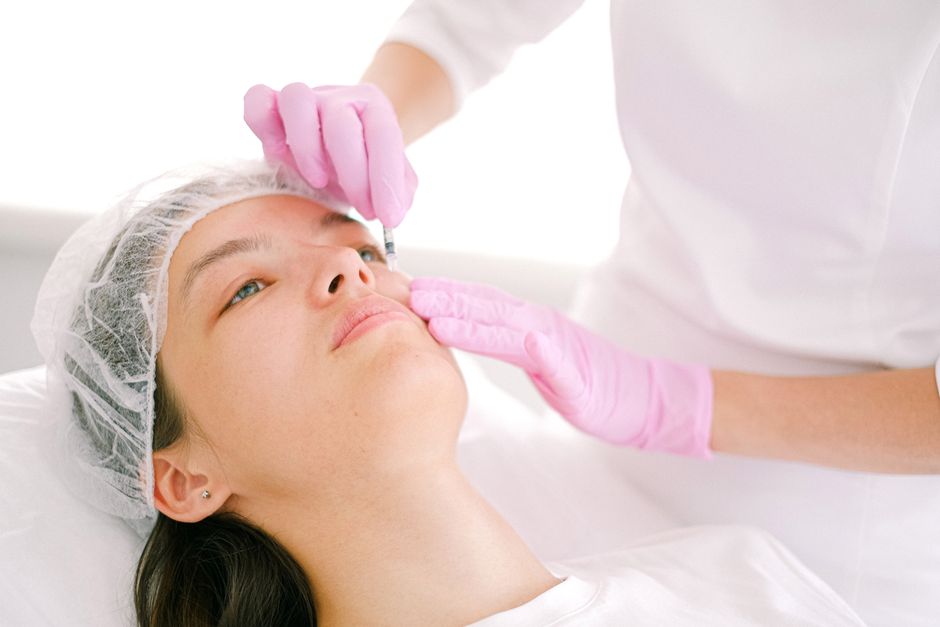
Victoria's health watchdog has issued an urgent public warning about the growing danger of backyard cosmetic procedures, revealing that infections, facial paralysis and hospitalisations are rising sharply as complaints about botched treatments surge by 64 per cent in a single year.
Health Complaints Commissioner Professor Bernice Redley says the sharp increase in complaints lodged with her office reflects a troubling trend of people seeking cosmetic treatments from unregistered providers operating outside of proper clinical settings, including in backyards and private homes.
What Injuries Are Victims Suffering?
Professor Redley says the range of harm being reported to the Health Complaints Commissioner (HCC) is serious and, in some cases, severe. Victims are presenting with infections and facial paralysis, and a number have required hospitalisation as a direct result of injuries sustained during unregulated procedures.
The complaints involve a variety of treatments, including cosmetic injectables such as Botox and dermal fillers, skin whitening procedures, eyelid surgery and skin tightening treatments. What links them, authorities say, is that they are allegedly being performed by unregistered providers who lack the qualifications and oversight required of registered medical professionals.
"We're also seeing people being hospitalised related to some of the injuries that they're experiencing, particularly from these unregistered providers," Professor Redley said.
Illegally Imported Products and Online Access Fuelling the Problem
A key concern for regulators is not just who is performing the procedures, but what products are being used. Professor Redley noted that authorities are increasingly worried about the illegal importation of cosmetic products, particularly those being used by unregistered operators outside of any regulated environment.
She also pointed to social media as a compounding factor, saying more people are finding and booking cosmetic services online without properly checking the credentials of the person performing the treatment or verifying the products involved. The commissioner described the situation as a "really complex space" requiring attention from multiple regulators.
While national guidance exists on who is permitted to provide cosmetic procedures, Professor Redley acknowledged awareness that people who are not doctors or nurses are actively carrying out these treatments, often in settings with no infection control measures or clinical oversight.
How Consumers Can Protect Themselves
The HCC is urging anyone considering a cosmetic procedure to thoroughly research their provider before booking. Consumers can verify a practitioner's registration status by visiting ahpra.gov.au, the website of Australia's national health regulator.
The health watchdog works alongside local councils, the Therapeutic Goods Administration and the national regulator to identify and act against unregistered providers. However, Professor Redley stressed that the office depends heavily on members of the public submitting formal complaints in order to investigate suspected illegal activity.
The warning serves as a stark reminder that cosmetic procedures, even those that appear routine, carry real medical risks when performed without proper training, accredited products or clinical safeguards. As this Victorian health case demonstrates, timely access to qualified medical care can be the difference between recovery and lasting harm.
Anyone who has experienced a negative outcome from a cosmetic procedure performed by an unregistered provider is encouraged to lodge a complaint with the Health Complaints Commissioner.