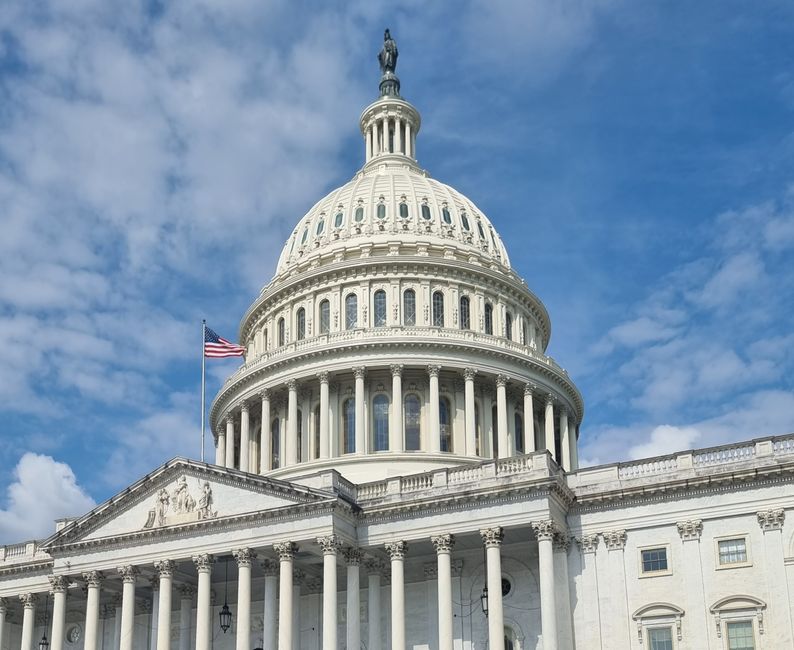
The United States House of Representatives has voted to make daylight saving time permanent, passing the Sunshine Protection Act on Tuesday local time and sending it to the Senate for consideration. The move, backed by the White House, would end the twice-yearly clock changes that have long divided American opinion — provided the Senate follows suit.
What the Sunshine Protection Act Would Do
Under the bill, the United States would remain on daylight saving time year-round, eliminating the seasonal shift that currently sees clocks spring forward in spring and fall back in autumn. Daylight saving time — the period when clocks in most parts of the country are set one hour ahead of standard time — would become the fixed national standard.
Individual states would retain the ability to opt out, but only if their state legislatures act before the bill is formally enacted. The White House signalled strong support ahead of the House vote, describing the legislation as a popular and common-sense reform, and indicating presidential advisers would recommend signing it into law should it reach the Oval Office.
Supporters Say It's About Time
Backers of the bill argued that clocking off the clock changes would reduce unnecessary disruption to daily life. Representative Gus Bilirakis was among the most vocal advocates, saying Americans were ready to "ditch the switch."
"In my home state of Florida where tourism is a cornerstone of our economy, having more predictable daylight hours is a practical improvement that benefits workers, businesses and visitors alike," Bilirakis said, pointing to the economic advantages of consistent evening light for tourism-dependent communities.
Proponents argued that more usable daylight during the hours when people are most active — evenings and weekends — would encourage outdoor activity and give families more time together outside. For businesses, particularly those in the hospitality and retail sectors, predictable daylight hours offer a tangible commercial benefit. The importance of strategic business adaptability has long been a consideration in policy debates of this kind.
Public opinion data adds weight to the case for change. A 2025 poll found that 56% of American adults would prefer permanent daylight saving time if forced to choose a single national approach, compared with around four in ten who favoured sticking with standard time and its lighter mornings.
Critics Warn of Dark Winter Mornings
Not everyone was convinced. Opponents raised concerns about what permanent daylight saving time would mean for winter mornings, when sunrise would be pushed significantly later under the new arrangement.
Representative Mary Gay Scanlon warned that millions of Americans would be starting their days in complete darkness. "Millions of Americans will wake up during the winter months in complete darkness with the sun not rising until long after people get up and travel to school or work or have to go about their days," she said, flagging particular risks for children waiting at school bus stops and commuters driving before dawn.
Representative Jim McGovern took a different angle, saying that while he supported the bill in principle, he questioned whether it represented the best use of congressional time given the economic pressures many Americans are facing. "For folks getting crushed by rent, groceries, utility bills and healthcare costs, is this really the best the majority can do?" he said.
What Happens Next
The bill's path to becoming law is not yet clear. The Senate must also pass the legislation before it can be signed by the president. Notably, the Senate passed a similar bill four years ago to make daylight saving time permanent, but that measure stalled in the House and never became law.
Congressional interest in the daylight saving debate stretches back decades. The United States first adopted daylight saving time as a wartime measure in 1942, and lawmakers have periodically revisited the question of its value ever since. Whether this latest attempt will finally cross the finish line remains to be seen — but with bipartisan House support and White House backing, advocates are more optimistic than at any point in recent memory.