United States President Donald Trump declared on Monday AEST that Iran's critical energy hub, Kharg Island, was being "blown to smithereens" — but the brief social media post was accompanied by an AI-generated video and backed by no independently verified evidence of an actual attack on the facility.
"Kharg Island being blown to smithereens!!! President DJT," Trump wrote in a one-line post on social media, offering no further explanation or confirmation. Analysis of the accompanying video clip using software designed to detect AI-manipulated imagery indicated the dramatic explosion footage was most likely synthetically generated. Iranian state media did not immediately respond to the claim.
US Strikes Larak Island Over Strait of Hormuz Mine Threat
The extraordinary post came on the same day the US confirmed it had carried out strikes on Iran's Larak Island, located in the strategic Strait of Hormuz shipping lane — the first confirmed US strikes on Iranian territory in roughly a month. According to the US Central Command, the action was described as "limited" and "precise," targeting Islamic Revolutionary Guard Corps (IRGC) forces believed to be in the process of laying sea mines in the strait.
"US forces took limited, precise action against IRGC minelaying forces posing an imminent threat in the Strait of Hormuz," US Central Command stated. The strikes came just days after the US announced it had finished clearing explosives from the waterway. Iran confirmed the attack resulted in casualties among both soldiers and civilians and warned that a "response and punishment" would follow.
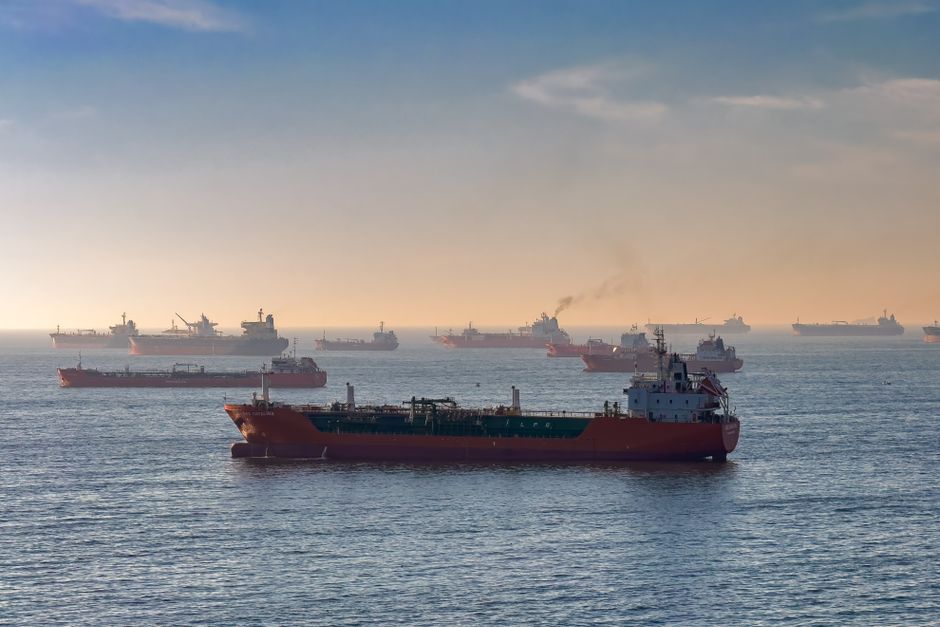
Before the war — triggered by US and Israeli strikes on 28 February — the Strait of Hormuz carried roughly one-fifth of the world's oil. Iran has since effectively blocked the waterway, dealing a significant blow to global energy flows. Kharg Island alone had handled 90 per cent of Iran's oil exports prior to the conflict, making it an extraordinarily sensitive target. Any confirmed strike there would inflict severe damage on Iran's economy and energy trade. For more background on the Trump administration's escalating pressure campaign, see our earlier coverage of Trump's "economic warfare" strategy against Iran.
Iran Retaliates With Ballistic Missiles and Drone Attack
Iran moved swiftly to retaliate for the Larak Island strikes, with the IRGC announcing it had launched ballistic missiles at two US military air bases in Jordan, claiming the attacks caused "heavy damage." Jordan's military confirmed it had intercepted eight missiles, though it did not identify their point of origin.
Iran further claimed to have targeted US military personnel at an air base in the United Arab Emirates and said it had shot down a US drone over the Strait of Hormuz. The IRGC described its retaliatory operation as a response to "US-Zionist aerial aggression."
Iranian President Masoud Pezeshkian struck a cautious but defiant tone, stating: "We are not seeking war, but we will deliver a decisive response to the aggressors." He made the remarks before departing for Kyrgyzstan, where he was set to attend a regional summit alongside Russian President Vladimir Putin and Chinese President Xi Jinping — a gathering that positions itself as a counterweight to Western influence.
Six Months of Conflict as Tensions Flare Again
The exchange of fire marks a significant escalation at a moment when hostilities between Washington and Tehran had appeared to be cooling. The renewed strikes came shortly after the conflict passed its six-month mark, with the Trump administration having in recent weeks shifted its emphasis toward economic pressure over military action.
Whether Trump's incendiary Kharg Island claim reflects a genuine military development, an attempt at psychological pressure, or misinformation remains unclear. No corroborating evidence — from Iranian media, independent observers, or official US military channels — had emerged at the time of publication to support the assertion that the island's oil infrastructure had been struck.