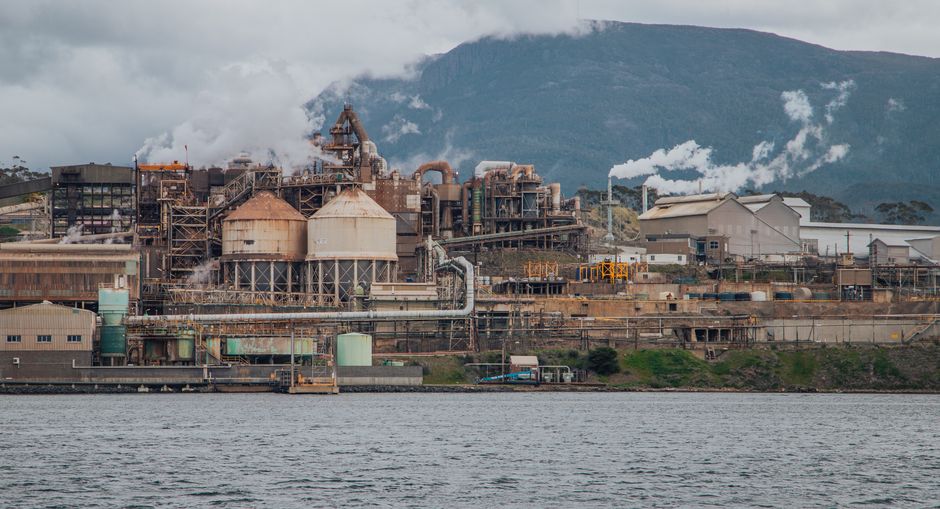
Prime Minister Anthony Albanese and NSW Premier Chris Minns have jointly announced a $2.5 billion rescue package to secure the future of Tomago Aluminium, Australia's largest aluminium smelter, protecting more than 1000 direct jobs in the Hunter Region beyond 2028.
The announcement ends months of uncertainty hanging over the Hunter Valley facility after resources giant Rio Tinto — the smelter's majority owner — warned the plant could be forced to shut when its current power agreement expires, owing to surging energy costs.
What the $2.5 Billion Tomago Aluminium Deal Involves
The funding is being shared between the federal and NSW state governments, with NSW's contribution capped at $1.225 billion spread across a decade from 2029. Tomago Aluminium itself has committed to investing at least $1.1 billion into the site, including $100 million earmarked specifically for decarbonisation activities and a demand-response program designed to support the state's electricity grid.
The government said the deal will underpin close to three gigawatts of new renewable energy generation, accelerate decarbonisation of NSW's electricity system, and strengthen Australia's capacity to supply a global market increasingly demanding low-emissions aluminium. Officials also noted the arrangement will "ensure revenue comes back to the federal government when aluminium prices are high."
Albanese invoked a visit he made to the facility last December, saying he had promised workers the government had their backs. "Today, alongside the NSW Government, we deliver on that promise," he said. "This site isn't just important for Newcastle and the Hunter, it's a critical asset for the country and our manufacturing future."
Why Tomago Aluminium Matters to Australia
Opened in 1983, the Tomago smelter operates continuously around the clock, producing approximately 590,000 tonnes of aluminium each year. Its power demands are extraordinary — the plant consumes 10 per cent of all electricity used in NSW, and energy costs alone account for more than 40 per cent of the smelter's total operating expenses. That exposure to wholesale energy prices is precisely what put the facility's future in doubt.
Australia is one of only a small number of countries that can claim an end-to-end aluminium supply chain, from raw materials through to refined metal. Industry and Innovation Minister Tim Ayres said that capability was too important to lose. "Tomago is Australia's largest and youngest smelter and is crucial to Australia's industrial future," he said. "It makes our economy stronger, drives new electricity projects and maintains thousands of good quality blue collar and engineering jobs right here in the Hunter."
For more on how this deal came together, see our earlier coverage of Australia's biggest aluminium smelter being saved in the billion-dollar government rescue deal.
Relief for Workers After Months of Uncertainty
Premier Minns framed the announcement as a defining moment for a region that has long anchored the state's industrial base. "The Hunter has powered NSW and helped build this country for generations," he said. "This agreement is about making sure it remains an industrial and manufacturing powerhouse for generations to come."
The Electrical Trades Union said the announcement came after a prolonged period of anxiety on the shop floor. An organiser for the union noted it had been "very difficult for all employees on the site" as they waited to learn whether their livelihoods would be preserved.
One element that had been flagged ahead of the announcement did not feature in the final statement — there was no reference to a potential power purchase agreement involving government-owned utility Snowy Hydro, which had been speculated as a possible component of any deal.
The rescue package confirms Tomago Aluminium's place at the centre of Australia's manufacturing economy for at least the next decade, with the combined public and private investment representing one of the largest industrial support commitments in recent Australian history.