ASX-listed TMK Energy has cleared a key regulatory milestone at its Gurvantes XXXV coal seam gas project in Mongolia, after the country's Mineral Resources and Petroleum Authority (MRPAM) formally accepted the company's Declaration of Discovery on 15 October, less than two weeks after it was lodged. The acceptance covers all seven wells at the Lucky Fox complex and moves the project out of exploration and into formal evaluation, setting the company on the path toward an exploitation or production licence.
What the discovery declaration means for Gurvantes XXXV
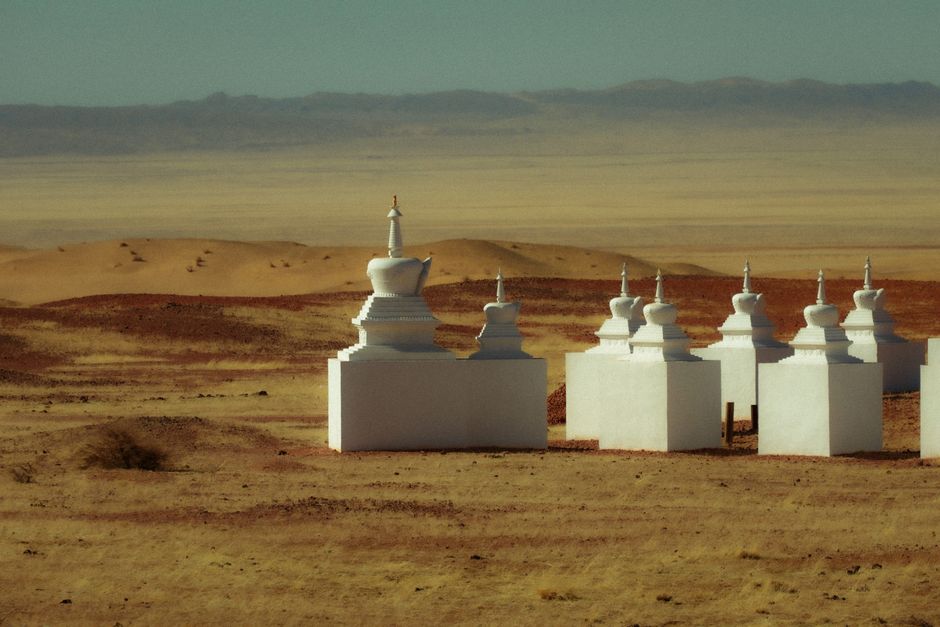
The declaration, lodged on 2 October and accepted on 15 October, was made under Mongolia's petroleum laws and applies to TMK's wholly owned Gurvantes XXXV project, which spans 8,400 square kilometres in the South Gobi Basin. The project holds an independently certified 2C contingent resource of 1.2 trillion cubic feet (Tcf) of coal seam gas across 60 square kilometres, with a further 5.3 Tcf of best-estimate prospective resources across the broader project area.
TMK has been careful to note that the acceptance does not establish commerciality or grant a production licence. Rather, it represents the formal shift from proving what gas is in the ground to demonstrating how it can be produced and sold.
Coal seam gas production requires pumping water from coal seams to lower reservoir pressure until methane held on the coal's surface desorbs and flows to the wells. TMK's seven-well pilot is testing whether those gas flows can be sustained and repeated across the reservoir. October average output reached 950 cubic metres per day, up from 872 cubic metres per day in September, while September water production averaged 425 barrels per day. The company says gas is desorbing, with rates tracking toward levels it anticipates during the upcoming extended production test.
Extended production test and appraisal program on the horizon
With the declaration accepted, TMK now has 90 days to lodge and agree a 2027 appraisal program with MRPAM, which the company expects to submit in the coming months. Once that program is accepted, it will trigger the start of an extended production test (EPT) running for a minimum of 180 days.
Chief executive officer Dougal Ferguson said the declaration and the subsequent lodgement of an appraisal program would allow the formal EPT period to commence, during which the company would begin the process of agreeing initial reserves, a field development plan and eventually a production licence.
An unconventional petroleum licence in Mongolia can run for 30 years, with a possible five-year extension, providing a long-term framework if the project reaches commercial production.
2026 work program and near-term production push
In parallel with the regulatory process, TMK is progressing its 2026 work program. A workover campaign to re-complete existing pilot wells is planned to lift output, followed by drilling a new production well. Management expects the program to materially increase production and generate additional data to assess the project ahead of and during extended testing.
TMK and local partner Dashvaanjil Group are also developing a proposed 1-megawatt gas-to-power project that could use pilot gas to supply the company's own operations and potentially nearby industrial users, offering an early commercial application for the gas while appraisal continues.
Mongolia's energy needs and a long-range regional opportunity
Mongolia's ageing coal-fired power stations and dependence on electricity imports from Russia and China underpin the case for more reliable domestic gas supply. The nearby South Gobi mining district also represents a potential local industrial demand base for any gas produced at Gurvantes.
Longer term, the project's location less than 20 kilometres from the Chinese border raises the prospect of access to one of the region's largest gas markets, subject to the development of a gas supply project and the necessary infrastructure. For investors watching the resource sector's discovery stories, the scale of the Gurvantes resource and the pace of regulatory progress make TMK's next steps worth watching closely.