Australia's fragrance industry is experiencing a quiet revolution. While international luxury houses continue to dominate department store counters, a growing number of independent Australian perfumers are carving out their own space in the market—offering consumers something the big brands can't: transparency, craftsmanship, and genuine value.
The $500 Bottle Problem
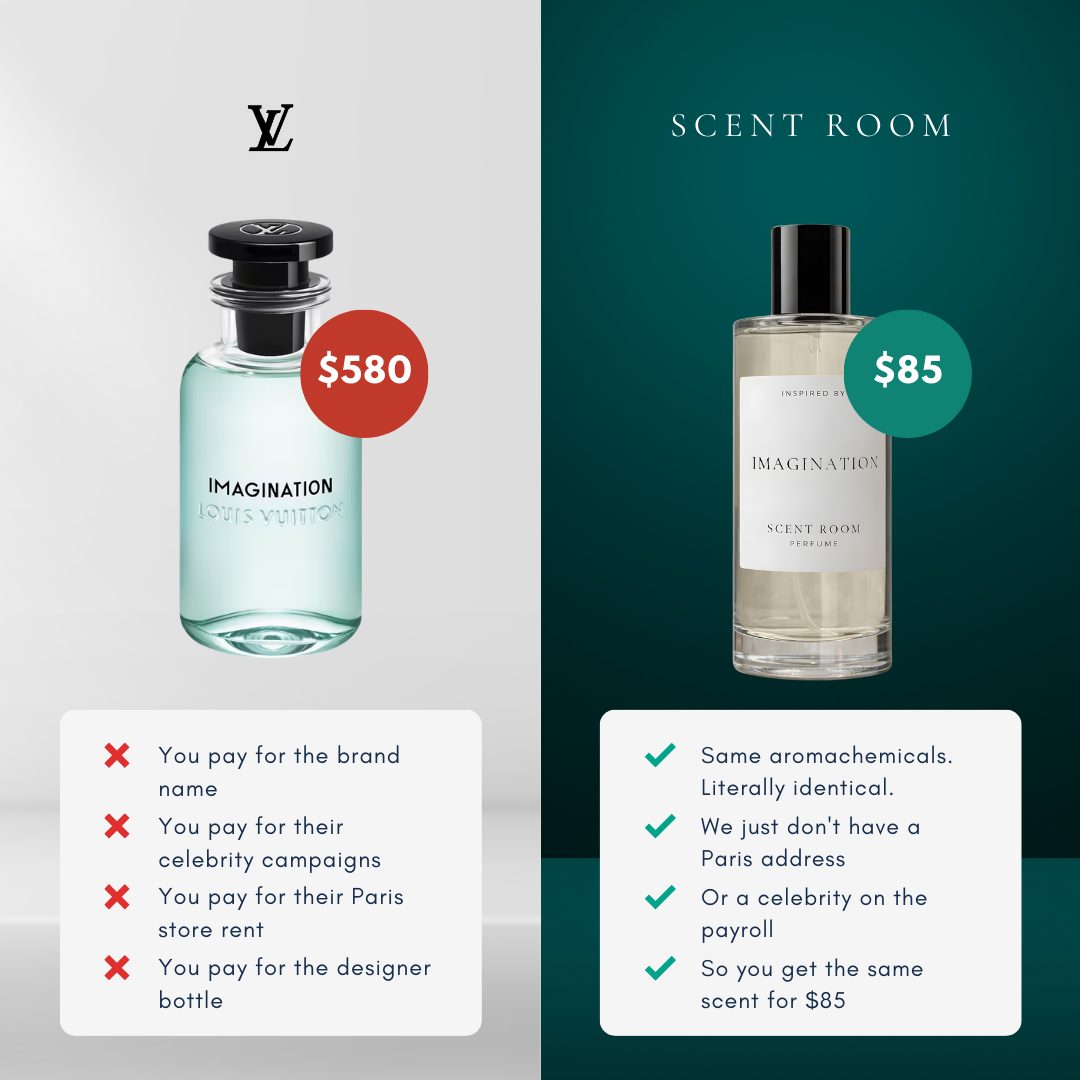
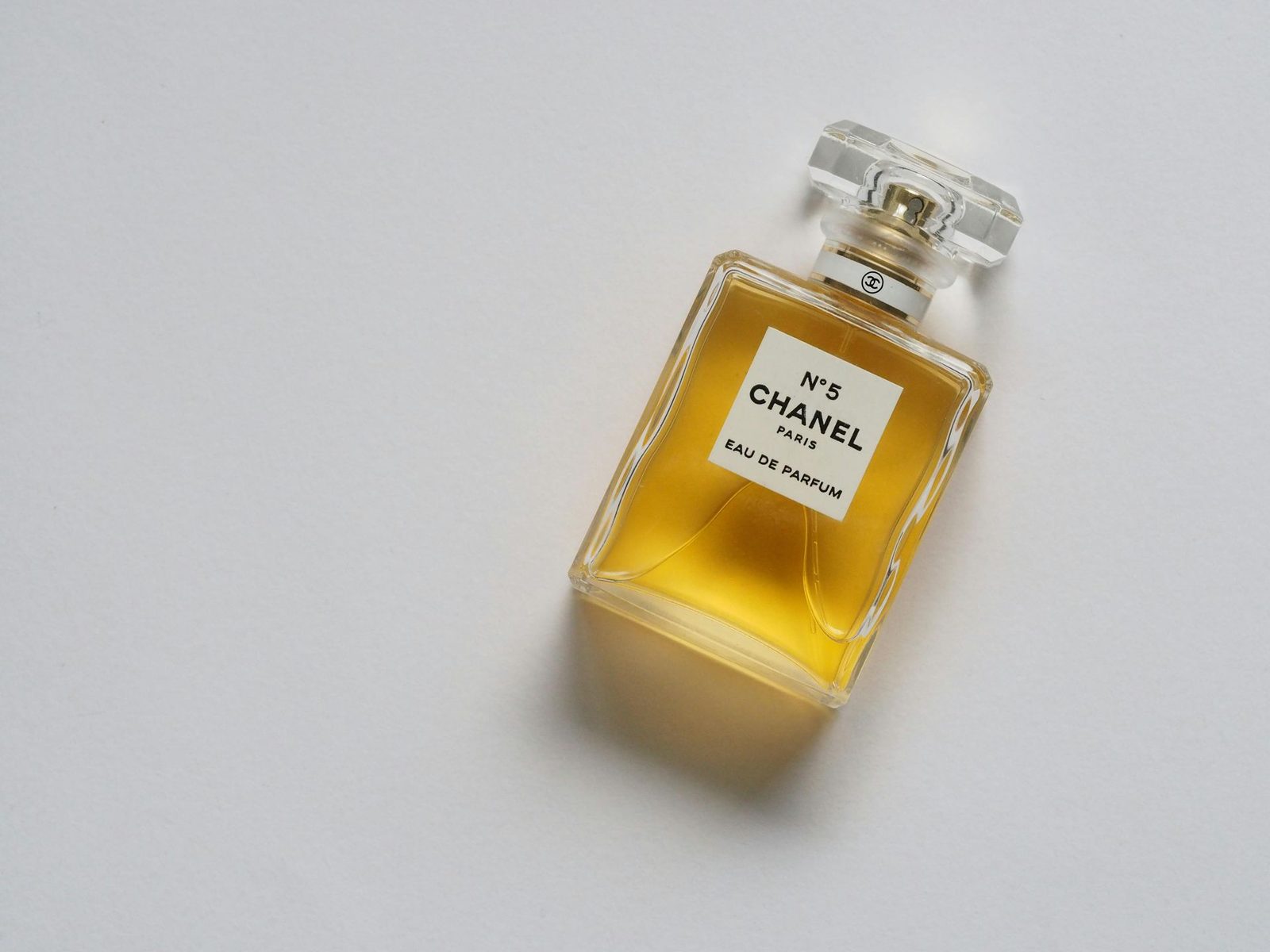
Walk into any luxury fragrance retailer and you'll find bottles priced anywhere from $300 to $800. For many Australians, these prices are simply out of reach—especially when industry insiders acknowledge that the actual fragrance concentrate in a $500 bottle often costs less than $20 to produce.
The rest? Marketing budgets, celebrity endorsements, elaborate packaging, and the premium charged for prestigious brand names.
This disconnect between cost and price has created an opportunity for independent creators who can offer premium quality without the premium markup.
What Sets Independents Apart
The key difference between mass-market fragrances and independent operations lies in the ingredients. Major fragrance houses typically use pre-blended 'type oils'—essentially ready-made fragrance concentrates that approximate popular scents. These oils are cheap, consistent, and efficient to work with.
Independent perfumers, by contrast, often work with individual aromachemicals—the same molecular compounds used by professional fragrance houses like IFF, Givaudan, and Firmenich. This approach requires significantly more expertise and investment, but produces results that rival luxury originals.
Sydney-based Scent Room is one example of this new wave of Australian fragrance makers. Rather than using generic type oils, they build each formula from scratch using professional-grade aromachemicals, creating room sprays and perfumes that compete with products costing five times as much.
The Transparency Factor
Perhaps the most significant shift driven by independent perfumers is transparency. Where traditional fragrance houses guard their formulations behind layers of secrecy, many independents are opening up about their processes, ingredients, and sourcing.
This resonates with Australian consumers who increasingly want to know what they're buying. The 'clean beauty' movement has expanded beyond skincare into fragrance, with buyers seeking out creators who can explain exactly what goes into their products.
For small-batch producers, this transparency isn't just a marketing angle—it's a genuine competitive advantage. When you're sourcing the same quality ingredients as luxury houses, you want people to know.
Home Fragrance: The Gateway Market
Interestingly, many Australian fragrance entrepreneurs are finding their foothold not in personal perfume, but in home fragrance. Room sprays, reed diffusers, and candles offer lower barriers to trial—customers can experience quality without committing to a $200+ purchase.
The post-pandemic focus on home environments has only accelerated this trend. Australians spent more time in their homes than ever before, and many discovered that premium home fragrance was a small luxury that made a significant difference to daily life.
This has created a pathway for independent brands to build customer trust through home fragrance before expanding into personal perfume—a strategy that several successful Australian makers have employed.
What This Means for Consumers
The rise of independent Australian perfumers is good news for fragrance lovers. More options mean more competition, which means better value across the board.
For consumers willing to look beyond department store counters, there are now local alternatives offering:
• Professional-grade ingredients at accessible prices
• Transparency about what you're actually buying
• Australian-made products supporting local businesses
• Personal service that global brands simply can't match
The Bottom Line
The Australian fragrance landscape is changing. While luxury houses will always have their place, independent creators are proving that premium quality doesn't require premium pricing—just premium ingredients and genuine expertise.
For consumers tired of paying for marketing campaigns rather than actual fragrance, the message is clear: look local. The best-kept secret in Australian luxury might be the independent perfumer working from a studio in Sydney, crafting scents that rival the world's most prestigious houses—at a fraction of the price.