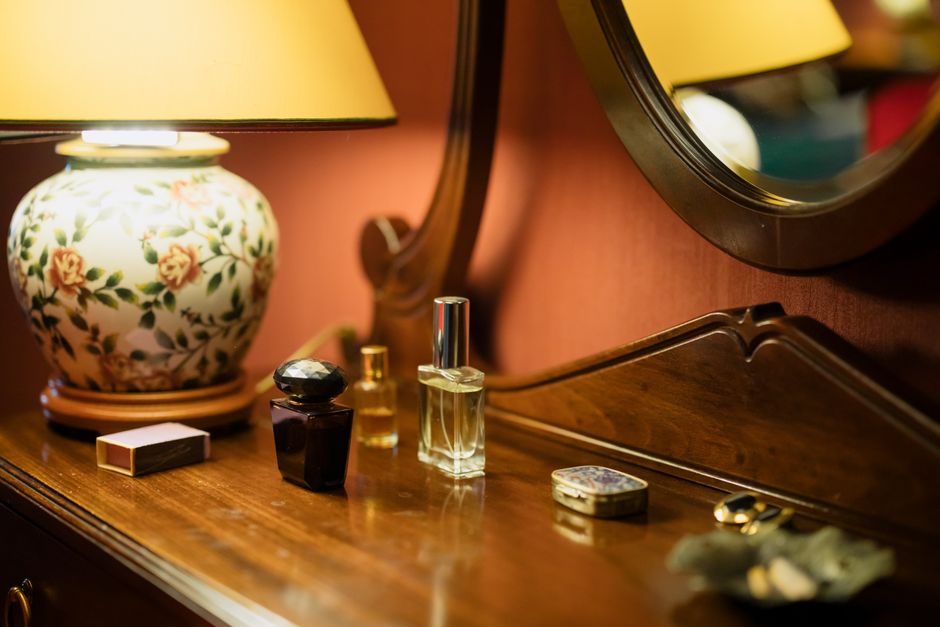
Walk into almost any five-star hotel lobby and something invisible greets you before the concierge does. It's a scent — warm, distinctive, and utterly calming — that tells your brain you've arrived somewhere special. Now, Sydney homeowners are taking note, and they're bringing that same sensory magic into their own living spaces. The hotel fragrance effect is real, it's backed by science, and it's quietly reshaping how Australians think about home ambience.
What Is the Hotel Fragrance Effect?
Luxury hotel chains have invested heavily in what the hospitality industry calls scent marketing — a deliberate strategy of using signature fragrances to reinforce brand identity, elevate guest mood, and build lasting emotional memories. Properties like the Ritz-Carlton, Four Seasons, and locally, Sydney's Park Hyatt, each deploy carefully formulated scents throughout their public spaces. The goal is simple: make guests feel good and make them remember the experience.
Research into olfactory psychology consistently shows that scent is the sense most directly linked to memory and emotion. According to Harvard Health, smell travels faster to the brain's limbic system — the seat of emotion and memory — than any other sense. Hotels have known this for years. Homeowners are only just catching up.
Why Sydney Homes Are Embracing Scent Design
Post-pandemic shifts in how Australians relate to their homes have accelerated this trend significantly. With more people working remotely and spending extended time indoors, there's a growing appetite for environments that feel curated and restorative rather than purely functional.
Interior designers across Sydney's eastern suburbs and lower north shore report that clients are increasingly asking not just how a room looks, but how it feels — and smell is a central part of that conversation. For many, the goal is to replicate the instant emotional ease that washes over you when you check into a well-appointed hotel room.
This shift is explored in depth across Lifestyle Articles on this site, where trends in wellness-driven home design have become some of the most-read content in recent months.
The Four Pillars of a Hotel-Worthy Home Scent Strategy
So how do the pros actually do it? Here's what five-star properties get right — and how you can apply the same principles at home.
Choosing the Right Products for Your Home
The good news is that achieving a hotel-quality fragrance experience at home doesn't require a commercial diffusion system. Candles, reed diffusers, and — perhaps most versatile of all — a well-formulated luxury room spray for instant scent refresh can all deliver genuinely impressive results when used thoughtfully.
Australian-made fragrance products have surged in quality over the past five years, with local brands now competing credibly with European imports. When shopping, look for products that use quality fragrance oils or natural essential oil blends, avoid synthetic-heavy bases that turn sharp over time, and come in recyclable or sustainable packaging — a growing priority for Sydney consumers.
Common Mistakes to Avoid
Even well-intentioned scent efforts can go wrong. Here are the pitfalls to sidestep:
The Bigger Picture: Scent as Self-Care
There's something quietly profound about the growing interest in home fragrance. It reflects a broader cultural shift toward intentional living — the idea that our everyday environments should actively support our wellbeing, not just shelter us. A thoughtfully scented home, like a great hotel room, signals to the body and mind that this is a place worth being.
If you have thoughts or experiences with home fragrance trends you'd like to share with our readers, we'd love to hear them — visit our Contact Us page to get in touch.
Final Thoughts
The hotel fragrance effect is no longer the exclusive preserve of luxury hospitality. With the right knowledge and a handful of carefully chosen products, any Sydney homeowner can engineer a sensory welcome that rivals the best five-star lobby. Start simple, stay consistent, and let scent do the quiet, powerful work it was always designed to do.