Introduction to Inflation in Australia
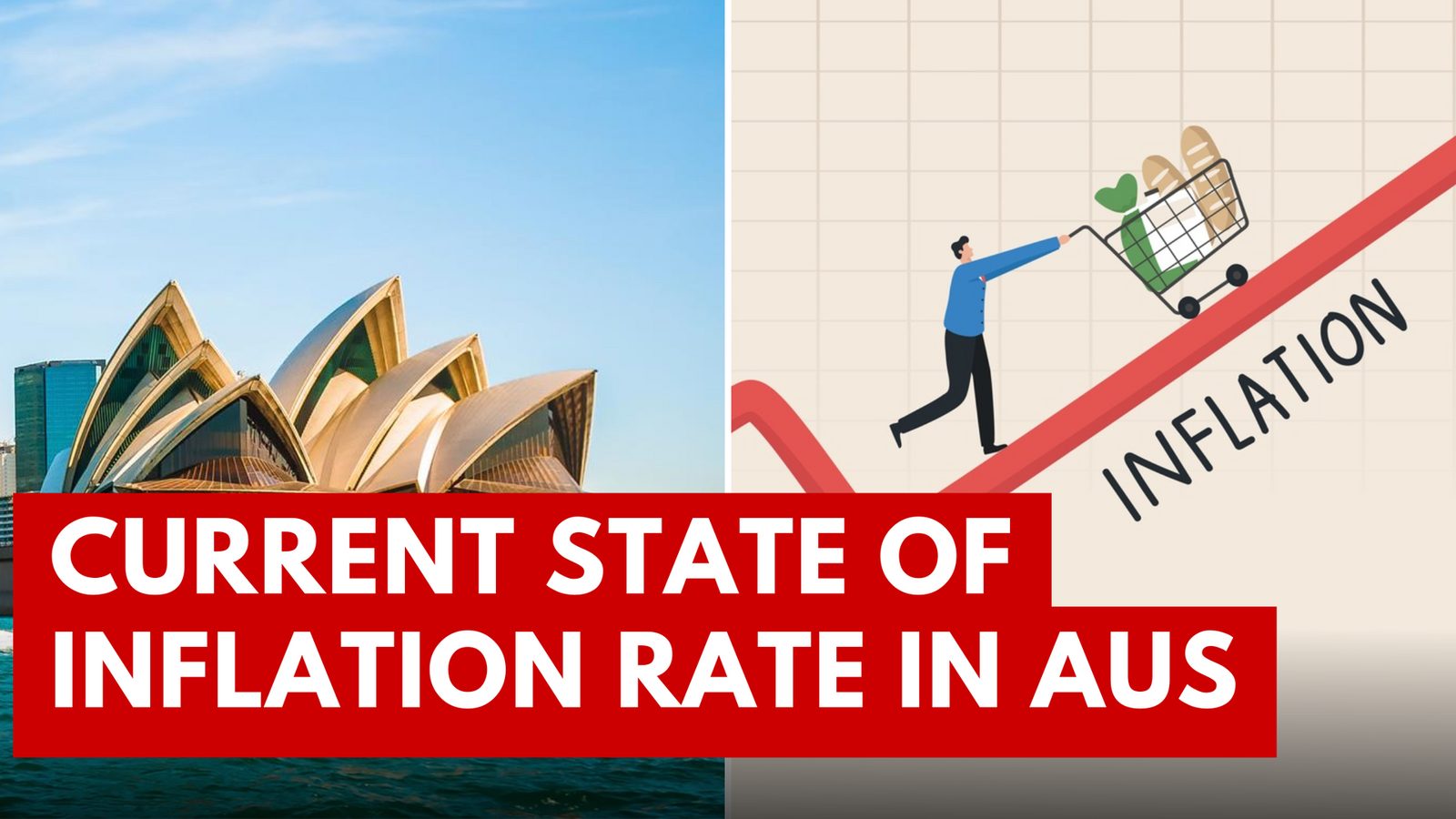
Australia has long been a beacon of economic prosperity, consistently boasting strong growth over the decades. This economic success has positioned it among the world's most affluent nations. However, with growth comes the challenge of managing inflation—a key economic indicator that reflects the general increase in prices over time.
Inflation is significant because it erodes purchasing power, meaning that as prices rise, the same amount of money buys less. This can impact everything from everyday goods to long-term investments. In Australia, the Reserve Bank targets an annual inflation rate of 2-3%, considered optimal for economic health.
The inflation rate in Australia has recently hovered around 2-3%, sparking discussions on its broader impact.
Currently, the country's inflation rate is within this target range, but it has not been without fluctuations. These shifts raise questions about the underlying causes and what they mean for the economy. Understanding these trends is crucial for both policymakers and citizens as they navigate the financial landscape of modern Australia.
Understanding Current Trends
In recent years, Australia's inflation rates have presented a mixed picture. As of the latest statistics, the inflation rate stands at approximately 3.2%, slightly above the Reserve Bank of Australia's target range. This rise marks a departure from the more subdued rates experienced earlier in the decade.
To provide a clearer picture, here's a table comparing current and historical inflation rates:
Year
Inflation Rate (%)
2018
1.8
2019
1.6
2020
0.9
2021
3.0
2023
3.2
The past few years have seen notable fluctuations, driven by various factors including global economic shifts and domestic policy changes. The dip in 2020 can be attributed to pandemic-related disruptions, while the subsequent rise reflects recovery efforts and increased consumer demand.
This pattern of rising and falling rates highlights the dynamic and often unpredictable nature of inflation, urging careful monitoring and strategic planning from both policymakers and consumers alike.
Causes of Inflation in Australia
Australia's inflation is a complex mix of domestic and global factors. A primary driver is the rising cost of living, where everyday essentials like housing and healthcare continue to climb. While wage growth struggles at 3.6%, inflation looms at 6%, intensifying financial pressures on households.
Currency fluctuations further complicate matters. When the Australian dollar weakens, imported goods become more costly, fueling inflation. Conversely, a stronger dollar can ease these pressures, but this is a fine balance in an import-reliant nation.
On the international front, global economic conditions heavily influence inflation. As a trade-exposed economy, changes in global demand for commodities like iron ore and coal can trigger inflationary pressures. During booms, increased export prices enhance national income, but also drive up domestic costs.
These intertwined factors paint a picture of an economy navigating both internal and external challenges, with inflation being a multifaceted issue that impacts every Australian.
Implications for the Average Australian
The current state of inflation in Australia is more than just numbers; it directly impacts everyday Australians in profound ways. Inflation, which has increased the Consumer Price Index (CPI) by 4.1% over the past year, chips away at purchasing power. This means familiar trips to the grocery store or filling up the petrol tank may now feel like a larger dent in the wallet.
Savings and investments face similar pressures. With inflation outpacing interest rates, money in the bank loses its value over time. Diversifying investments, such as in stocks or real estate, becomes essential, as these often yield returns that can outpace inflation.
Wage growth, or lack thereof, is another critical concern. Real wages in Australia have fallen by 4.8% since the pre-pandemic period, underscoring the squeeze on household budgets. As one expert noted, " Inflation is not just an economic statistic; it's a real-world problem affecting the financial security of Australians." A mature debate on wage policies, aiming for sustainable growth, is crucial in addressing these challenges and ensuring Australians can maintain their standard of living.
Frequently Asked Questions
What is a healthy inflation rate?
A healthy inflation rate is typically around 2%, as targeted by the Federal Reserve. This moderate level supports economic growth by encouraging spending and investment, preventing consumers from delaying purchases. It helps maintain business profitability and avoids the economic risks associated with deflation.
How does inflation affect interest rates?
Inflation and interest rates often move in tandem. When inflation rises, central banks like the Federal Reserve typically increase interest rates to manage it. Higher rates make borrowing more expensive, which slows consumer and business spending, helping to bring inflation down. Conversely, low inflation may prompt a decrease in interest rates to stimulate economic activity.
What can individuals do to protect against inflation?
One way to safeguard finances against inflation is investing in assets that typically outpace inflation, such as stocks. Engaging with resources like the ASX Sharemarket Game can provide useful insights into stock market investing. Diversifying investments and staying informed about economic changes can also help protect purchasing power.
Conclusion and Future Outlook
In summary, Australia's inflation rate has seen fluctuations, influenced by factors such as the rising cost of living, dependence on imports, and global economic conditions. The Reserve Bank of Australia's target inflation range of 2-3% aims to balance economic growth with price stability. However, recent trends show inflation rates consistently below this target, prompting concerns about economic strategies and their effectiveness.
Looking ahead, potential trends in inflation may hinge on global economic shifts and domestic policies. As we navigate these uncertainties, it is crucial for individuals and policymakers to stay vigilant and adaptable to changing economic landscapes. One way to safeguard against inflation's impact is by exploring investment opportunities, such as those highlighted in resources like the ASX Sharemarket Game, which can serve as a hedge against inflationary pressures.
As inflation continues to shape the economic landscape, staying informed and proactive is vital. Keep abreast of economic updates and consider diverse investment strategies to protect your financial well-being. By doing so, you can better prepare for whatever the future holds for Australia's inflation dynamics.