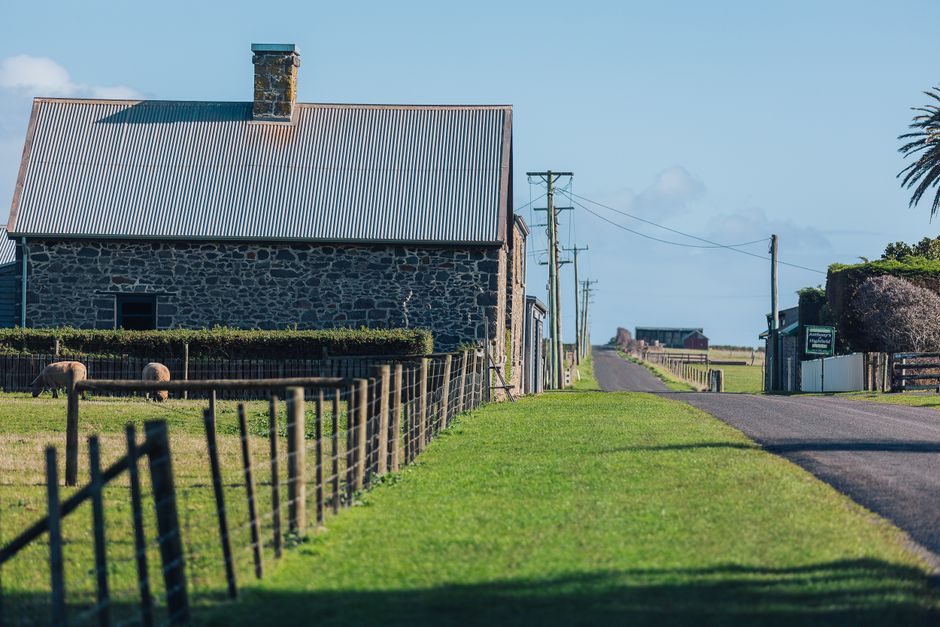
An 11-year-old boy from Central West New South Wales is playing a surprising role in preventing one of Australia's heritage sheep breeds from disappearing — running his own stud flock and demonstrating an almost uncanny ability to track genetics from the fence line.
Mitch Dickens, who lives in Yeoval, founded the Mimjack Hampshire Down stud at the age of eight, making him the owner of one of just six Hampshire Down studs in New South Wales. Now aged 11, he is helping to maintain a breed that forms part of a group of ten heritage varieties considered critical to the long-term health of Australia's national sheep flock.
Why Hampshire Down sheep matter to Australia's flock
Around 50 per cent of sheep in Australia today carry the genetics of the ten original heritage breeds, which were brought to the country from the United Kingdom during the 1800s and early 1900s. These animals formed the backbone of Australia's national flock, and their descendants still underpin much of the industry today.
According to Heritage Sheep Australia, losing these bloodlines would put the national flock at risk of shedding key productive traits — including robust health and strong foraging abilities. The ten breeds at risk include Hampshire Downs, Dorset Horns and English Leicesters.
Colin Chapman, president of Heritage Breeds Australia, said the value of these animals extends across meat quality and wool types that fall outside the mainstream. "In years to come, we might want to have a different texture or flavour to the meat, and some of these [heritage breeds] are a backup," he said. "So it's vital to keep them because of their quality traits."
Mitch himself is clear-eyed about what the Hampshire Down offers the industry. "They were developed in England primarily as a meat sheep and excellent terminal sire," he said. "We like them because they're hardy and they're easy to look after."
A stud built on sharp instincts and serious genetics knowledge
What sets Mitch apart — beyond his age — is an almost photographic recall for animal genetics. His mother, Amy Dickens, recalls watching him sit on the fence of the round yard at their cattle stud as a very young child, correctly identifying which embryo transfer calf belonged to which dam. "We'd second-guess whether he's accurate, but the accuracy rate was ridiculous," she said.
That same instinct now informs how he manages his Hampshire Down stud. Mitch has purchased rams from the National Hampshire sale, recognising that bringing in animals from different genetic lines — known as outcrosses — is essential to the breed's future. "We want them to be different, to bring in new items into the herd," he said.
His breeding strategy is deliberate and structured. "We want them to be bigger framed, have good DNA … we want them to be outcrosses to what we've got," he said. "We want to get the ewes to be smaller, but we want the rams to be pretty big, because then we can get a middle-sized sheep."
Family support and the bigger picture for heritage breeds
The Mimjack stud was a family undertaking from the start, with Mitch given formal ownership of the business. His mother said seeing the project take shape reinforced just how important breed diversity really is. "It's great to maintain diversity of breeds across all species, whether we're talking sheep or cattle, and utilise the benefits of crossbreeding," Amy Dickens said.
With the number of pure-bred heritage sheep breeders declining across Australia, the work being done at small studs like Mimjack carries outsized importance. Careful categorisation of each lamb — tracking which animals carry the most desirable traits — is central to ensuring the best genetics are passed on to future generations.
For now, Mitch is focused on growing his flock and refining his breeding program, one carefully selected ram at a time.