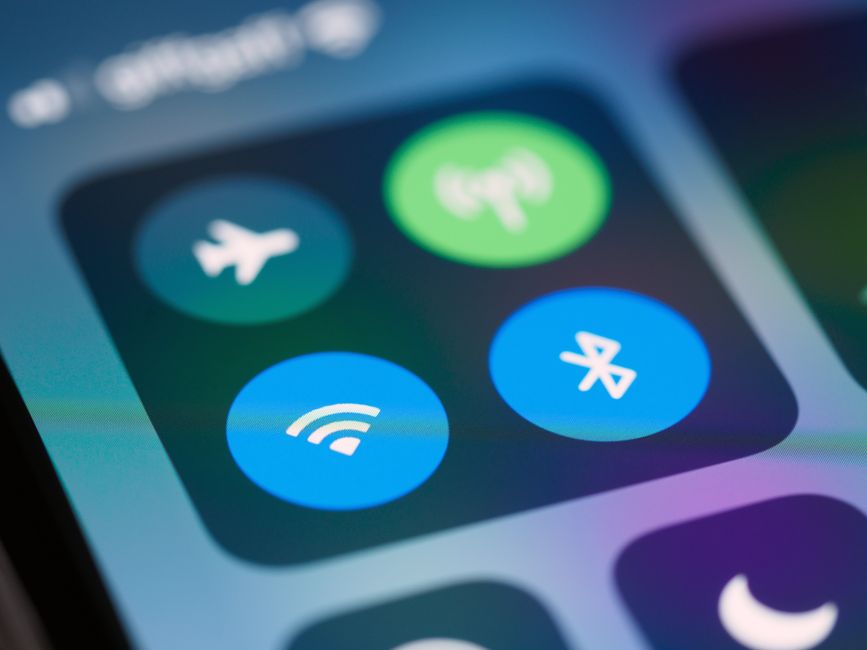
Telstra was urgently investigating a second network fault affecting Triple Zero calls on Wednesday night, just hours after the country's biggest telco declared it had resolved the sweeping nationwide outage that had crippled its mobile services for most of the day.
In a statement released at around 9.30pm AEST, Telstra confirmed it had identified a "secondary issue" impacting some calls, including to emergency services, even as it maintained the original daytime fault had been fixed. The development capped an extraordinarily turbulent day for the telco and renewed alarm among customers, regulators and government officials.
The evening fault follows a major Telstra outage that hit thousands of customers nationwide from early Wednesday morning, disrupting mobile calls, data services, trains and payment systems across the country.
What Telstra told customers about the second Triple Zero fault
Telstra advised that customers attempting to call Triple Zero during the secondary fault may receive an error message while their handset tried to connect to an alternative mobile network. The company urged anyone affected to wait up to 90 seconds for their phone to automatically switch to another carrier's network. If that failed, customers were told to try calling from a different phone entirely.
The telco also confirmed it would conduct a welfare check any time it detected a failed Triple Zero call — a process carried out via SMS, phone call or, where necessary, a physical visit by police.
"We're working urgently to resolve this issue," the company said in its statement.
A chaotic day: what caused the original outage
The daytime outage, which began in the early hours of Wednesday, was attributed to a software defect that sent the network's internal timekeeping systems back by nearly two decades — to approximately 2006. Modern mobile networks depend on precise timing to authenticate devices, and the corrupted timestamp caused parts of Telstra's infrastructure to reject customers' handsets entirely.
Telstra's chief financial officer, Michael Ackland, confirmed the software fault had altered the time across the network and said the company was still working through the full details of what occurred. He said the daytime issues had been resolved by 4pm, though he acknowledged the scale of the emergency services impact had proved larger than first understood — with some customers' phones failing to automatically switch to the Optus or TPG networks for emergency calls as expected.
Ackland said the company had conducted 333 welfare checks on customers detected as having experienced a failed Triple Zero connection. Around 79 of those people could not be reached by Telstra, prompting police to attend their homes. NSW Police were asked to perform 13 in-person welfare checks, with four still pending at the time of reporting, and no adverse outcomes had been found. Western Australia Police also confirmed they had conducted a welfare check.
Telstra said more than 300 Triple Zero calls had failed during the day, and that six people had confirmed they needed assistance following those failed attempts.
"We let customers down today in their hour of need. There's nothing that makes that untrue for many of those customers who are in traumatic situations, and we apologise for that deeply," Ackland said.
For more detail on the technical cause, see our earlier report on how a time synchronisation failure brought down Telstra's network.
Death claim disputed, political pressure mounts
Liberal senator Kerrynne Liddle added to the day's gravity by posting on social media that her office had received a report of a death involving an elderly South Australian who had allegedly been unable to reach Triple Zero during the outage. She described it as "a devastating failure" for the family involved.
South Australia Police moved quickly to dispute the claim, stating they were not aware of any death in the state as a result of the Telstra outage. Police also responded directly to the senator's social media post to make their position clear. A spokesperson for the senator subsequently indicated the family had been advised to contact SA Police when ready to discuss their experience.
Communications Minister Anika Wells cut short her leave to address the crisis, delivering a pointed assessment of the industry. "There is a reason that telcos are the least trusted industry in Australia — it is days like today," she said. Telstra chief executive Vicki Brady, also on leave overseas, brought forward her return to Friday.
Penalties and broader scrutiny loom
The financial and regulatory fallout is likely to be severe. Telstra was fined more than $3 million in 2024 over an earlier outage that blocked some customers from reaching Triple Zero. Wednesday's far larger event has put the telco in the frame for potential penalties in the tens of millions of dollars.
Australia's telecommunications sector has faced sustained scrutiny over reliability since a series of high-profile failures. A nationwide Optus outage in November 2023 knocked out more than 10 million services and left around 2,000 people unable to reach Triple Zero. A separate Optus failure in September the following year — linked to two deaths — prompted legislation creating a Triple Zero Custodian role and tougher emergency-call rules now being tested by Wednesday's events.
The ripple effects of Wednesday's Telstra outage extended well beyond mobile phones, stranding regional rail passengers across Victoria, delaying some NSW train services, and disrupting payment terminals, electric-vehicle chargers and customers of smaller carriers that rely on Telstra's network, including Boost, Belong and Aldi Mobile.