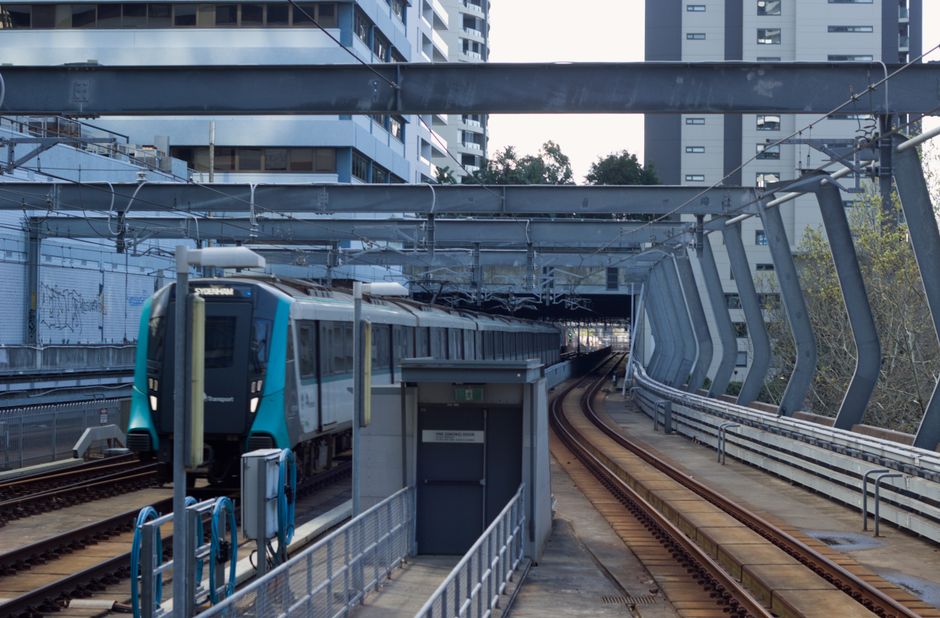
Thousands of early risers flooded Bankstown Station in the pre-dawn darkness on Friday as Sydney's long-awaited Southwest Metro officially opened, with the first service departing at 4.31am on October 30, 2026, ending more than two years of disruption for commuters across the city's southwest.
The inaugural train completed a 66-kilometre journey from Bankstown through the city centre to Tallawong Station in Sydney's northwest, stitching together a continuous metro corridor and marking a significant milestone for the region's transport network.
A $23 Billion Line Two Years in the Making
The project, which cost $23 billion, required shutting down the century-old heavy rail line that previously served the Sydenham to Bankstown corridor while it was upgraded to carry modern metro carriages. During that closure, a fleet of pink buses was deployed as a rail replacement service, a temporary fix that frustrated commuters and nearby businesses alike for the duration of the works.
Sydney Metro CEO Camilla Drover summed up the mood at the launch simply: "We are ready to go." She was among a group of officials who joined NSW politicians at Canterbury Station on Thursday to inspect final preparations ahead of the opening.
NSW Transport Minister John Graham acknowledged the significance of the occasion while keeping expectations grounded about the early-morning conditions. "It'll be dark, it'll be cold, it'll be 4.31 and we're expecting hundreds of people," he said. Graham also confirmed the pink bus service would continue operating on Friday and across the weekend as a precaution in case of any technical issues with the new metro during its opening days.
Industrial Relations Minister Sophie Cotsis noted the considerable effort that went into getting stations ready for opening day. "They're washing and wiping and mopping and making sure that everything is all polished up," she said of the crews preparing the platforms.
Faster Journeys Across the Southwest
For commuters, the headline benefit of the new line is a dramatic reduction in travel times. Member for Summer Hill Jo Haylen described the change as transformative for inner west and southwest communities.
"Metro magic is about to come to the inner west and the southwest of Sydney and these communities could not be more excited," she said.
Under the new timetable, the journey from Marrickville to Central will take just 12 minutes, roughly half the previous travel time. Trips from Bankstown to the city centre will be possible in under 30 minutes, while commuters from Lakemba will see their journey to Central drop from around 30 minutes to approximately 20 minutes. Haylen also noted that the new line puts Macquarie University within 40 minutes of Bankstown.
To manage the expected surge of curious passengers and first-time users, an army of staff will be stationed across all 10 stations on the new line to guide crowds and answer questions. "We're making sure there are adequate staff on the stations to help people adjust. It is a big change to the transport network," Graham said.
Relief for Local Businesses, But a Toll Already Taken
For some businesses near the line, the opening could not come soon enough. Haytham Wafa, who has operated Chinchilla Xpress in Bankstown City Plaza since 2019, said the extended closure and bus disruptions had caused significant damage. "It started off alright. The last 16 months have been horrible. Horrible, horrible," he said.
His sentiments reflect the broader frustration that built across southwest Sydney communities during the construction period, a sentiment that has been closely watched given the pressures already facing the region.
What Commuters Can Expect Going Forward
With the rail replacement buses set to be wound down, commuters will now pay $5.18 one way for a trip from Bankstown to Central, ending the free bus rides that accompanied the closure period.
Patronage forecasts are optimistic. The metro is projected to carry 9,500 people every weekday between 8am and 9am alone, representing a 34 per cent increase on the ridership the old heavy rail line attracted during the same peak hour window. If those figures hold, the Southwest Metro will represent one of the most significant boosts to public transport capacity in Sydney's recent history.