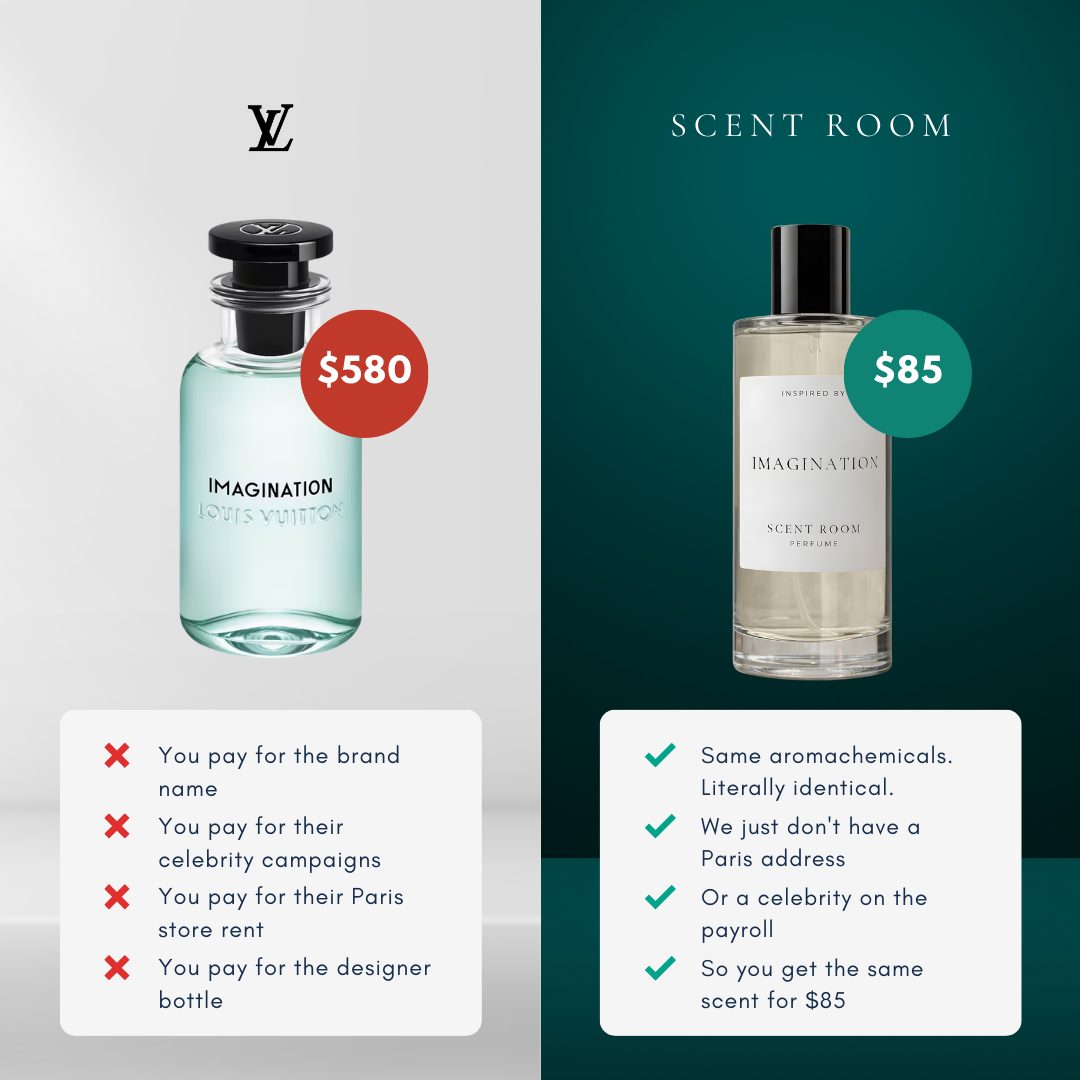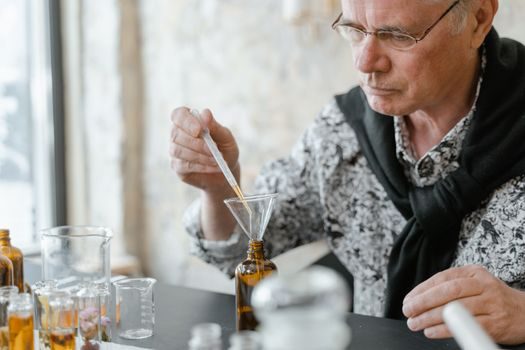
Australia's independent fragrance scene has been quietly growing for the better part of a decade, but the past two years have brought something different. What was once a small community of hobbyists blending aromatic materials in home studios has developed into a recognisable tier of the local beauty and lifestyle market, with indie perfume brands appearing in boutique retail, at markets, and through direct-to-consumer channels online.
A Craft With a Compliance Problem
The appeal of making fragrance from scratch is straightforward: it is one of the few product categories where a skilled individual with modest equipment can produce something genuinely competitive with international brands. The barrier is not access to materials — a well-stocked Australian perfumer can source most of the same aroma chemicals used by major fragrance houses through local distributors — but the administrative and regulatory work that surrounds any product sold to the public.
Fragrance products sold in Australia must comply with the IFRA standards governing safe usage levels of fragrance ingredients. The 51st Amendment introduced new restrictions on several commonly used materials. Generating allergen declarations, managing ingredient matching across multiple supplier catalogues, and maintaining version-controlled formula records are all tasks that have historically eaten into the time serious indie perfumers would rather spend at the bench.
The Tool a Growing Number of Perfumers Are Using
A Sydney-built web application called Formulary has been gaining traction in the local indie perfumery community as a purpose-built formula management tool. It handles the tasks that pile up for any perfumer running a serious operation: uploading formulas from PDFs or spreadsheets, automatically matching every ingredient to supplier product listings using CAS number lookup and AI name matching, and generating IFRA compliance checks and EU allergen declarations on demand.
The practical difference for an indie perfumer is significant. Manually cross-referencing a formula against the IFRA 51st Amendment and calculating whether each ingredient falls within its permitted usage level can take an hour or more when done by hand. The same check runs in seconds through the software, producing a result that can be filed with a product safety assessment or handed to a cosmetic chemist for review.
Supplier Integration That Saves Time
One of the more useful features for Australian perfumers is the integration with local fragrance ingredient distributors Bulkaroma and Fraterworks, which together supply the majority of aroma chemicals available to indie perfumers in this market. When a formula is uploaded, every ingredient is automatically matched to products in both catalogues with live pricing, making the generation of a purchase order a matter of a few clicks rather than a lengthy manual process.
The tool also handles batch scaling, production tracking, and bench sheet generation — the formatted weigh-out sheets that translate a percentage-based formula into grams at a specific batch size. For a perfumer producing twenty 50ml bottles of a particular fragrance, the ability to generate a precise bench sheet, record the production run, and have ingredient costs calculated automatically represents a meaningful reduction in administrative overhead.
Where the Market Is Heading
According to Cosmetics Australia, the personal fragrance segment has been one of the stronger performers in the domestic beauty market, with consumer appetite for independently made and transparently formulated products continuing to grow. The regulatory environment administered by AICIS — the Australian Industrial Chemicals Introduction Scheme — has also become more complex in recent years, adding further weight to the case for proper formulation documentation.
For the growing number of Australians who have moved from perfumery as a weekend pursuit to something resembling a small business, the gap between a well-formulated fragrance and a commercially viable product increasingly comes down to whether the regulatory and operational infrastructure around the formula is in order. Tools that close that gap without requiring a perfumer to become an expert in cosmetics compliance are becoming a practical necessity rather than a convenience.