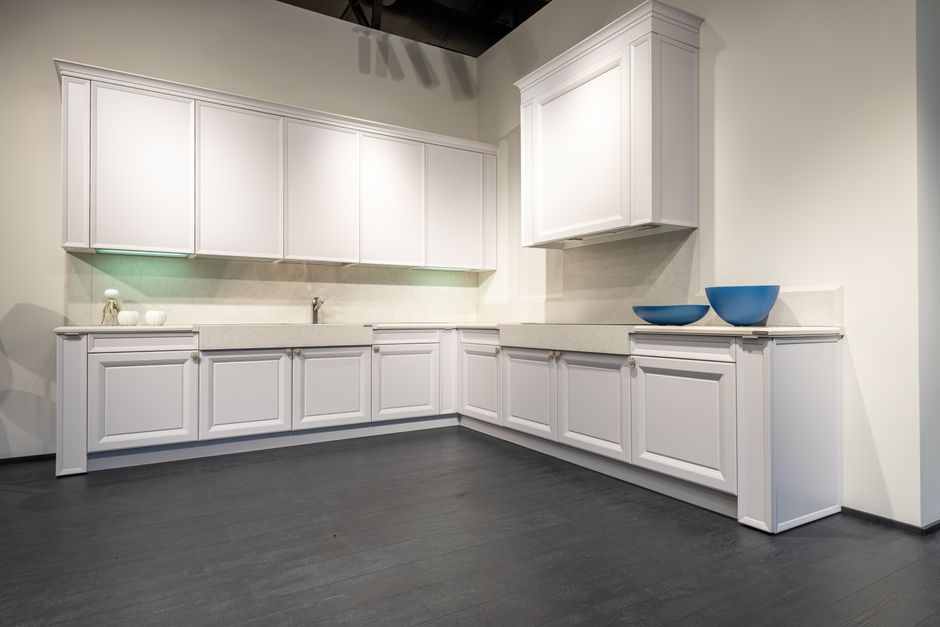
Sydney's renovation market has rarely looked more competitive, and for homeowners trying to lock in a kitchen overhaul or a custom wardrobe fit-out, the journey from first quote to finished install has never felt longer. This article breaks down exactly why that is, what the skills shortage means for your budget and timeline, and what to realistically expect when you pick up the phone to a joiner.
Why Sydney's Renovation Boom Is Straining the Custom Cabinetry Sydney Supply Chain
In the years since the pandemic reshaped how Sydneysiders live and work, spending on home improvement has surged to levels that the local trade simply was not built to absorb. The Australian Bureau of Statistics has recorded consecutive record quarters of residential alteration and addition approvals across Greater Sydney, and much of that activity feeds directly into demand for fitted joinery, kitchens, wardrobes, laundry cabinetry, home-office built-ins, and everything in between, including bespoke pieces like a display case for a living room alcove.
The crunch is being felt across every link in the chain. Timber merchants are reporting longer lead times on premium Australian hardwoods. Hardware suppliers, particularly those stocking European soft-close mechanisms and locally preferred hinge systems, have flagged ongoing stock inconsistencies. And the workshops themselves, many of them small family-run operations scattered across the inner west, the Hills District, and the northern beaches, are booking out months in advance.
The Demand Side: Who Is Actually Driving This?
The appetite for custom cabinetry in Sydney is no longer limited to prestige suburb renovations. Mid-market homeowners who might previously have settled for flat-pack solutions are increasingly choosing made-to-measure joinery, driven by the popularity of design content on social media and a broader shift toward quality over convenience. That expanding customer base, combined with a constrained tradesperson pool, is what is turning a busy market into a genuinely strained one.
Current Lead Times for Custom Cabinetry Sydney Homeowners Are Actually Facing
If you've started ringing around cabinet makers recently, you've probably already encountered a number: twelve weeks, sixteen weeks, sometimes twenty-plus. But what do those figures actually represent, and why do they vary so wildly between one custom cabinetry Sydney workshop and the next? Understanding the breakdown matters before you book anything.
Lead times in Sydney's joinery sector broadly split into three phases:
- Design and approval: Typically two to four weeks, covering consultations, drawings, material selections, and client sign-off. Rushing this stage is where most renovation regrets begin.
- Workshop production: This is where the real bottleneck sits right now. A busy local cabinet maker with a full order book may not start cutting timber or board until six to ten weeks after your deposit lands.
- Installation: Usually one to three days for a standard kitchen, but scheduling a crew in Sydney's current trades climate can add another two to four weeks onto the tail end.
All up, a realistic kitchen renovation from first conversation to final install is sitting at four to six months for most reputable Sydney workshops in 2026 and into 2026. Wardrobes trend slightly shorter, often ten to fourteen weeks, because the production complexity is generally lower, though walk-in robes with custom joinery details can rival kitchen timelines.
Why the Numbers Differ So Much Between Quotes
A quote with a suspiciously short lead time (say, four weeks) usually signals one of three things: flat-pack components dressed up as custom work, a subcontracted offshore supply chain, or a very small backlog that may itself be a red flag about demand. Conversely, a fourteen-week wait from an established local maker is often a sign of quality and consistent workload. Longer lead times, handled transparently, are increasingly a mark of credibility rather than inconvenience.
The Skills Shortage Reshaping Custom Cabinetry Sydney's Workforce
The custom cabinetry Sydney market is facing a workforce crisis that has been building quietly for over a decade, and homeowners are now feeling it at the booking stage. The number of qualified cabinetmakers and joiners entering the trade has consistently fallen short of demand, with TAFE enrolments in furniture and cabinet making certificates dropping significantly across New South Wales since the mid-2010s. The result is a skills gap that is actively reshaping how Sydney's renovation industry operates.
Why Fewer Tradespeople Are Entering the Trade
Several factors have converged to create this shortage:
- Apprenticeship attrition: many apprentices leave the trade before completing their qualification, drawn away by higher short-term wages in construction labouring or logistics
- An ageing workforce: a large cohort of experienced cabinetmakers is retiring, taking decades of hands-on knowledge with them
- Perception of the trade: cabinetmaking has historically been undervalued compared to electrical or plumbing trades, making it a harder sell to school leavers
- Migration programme gaps: while skilled migration has helped other trades, the cabinetmaking and joinery classifications have not attracted the same volume of overseas applicants
For business owners running joinery shops across Western and Northern Sydney, the practical consequence is straightforward: they simply cannot take on more work than their current team can handle. Shops that might once have quoted a six-week turnaround are now booking ten to fourteen weeks out, and that is before factoring in material lead times.
The knock-on effect extends beyond the trade itself. As explored across lifestyle coverage of Sydney's renovation scene, delays in joinery are now among the most common reasons entire kitchen and bathroom projects run over schedule. Understanding this skills crunch is the first step to planning your renovation realistically.
The Return to Locally Made Joinery and Why Homeowners Are Paying Attention
Something has quietly shifted in the way Sydney homeowners approach their renovations. After years of flat-pack dominance and offshore-manufactured cabinetry flooding the market, there is a measurable pull back toward locally crafted joinery, and the reasons are both practical and personal. Demand for custom cabinetry Sydney-wide has climbed steadily, driven not just by aesthetic ambition but by hard lessons learned from supply chain chaos and quality disappointments.
The pandemic years exposed the fragility of relying on imported flat-pack systems. Containers sat at ports for months, kitchens were half-finished through summer, and homeowners discovered that "affordable" sometimes meant irreplaceable delays. Local cabinet makers, by contrast, could source Australian-milled timber and hardware domestically, keep communication direct, and adapt when a renovation hit an unexpected structural snag, which, in Sydney's older housing stock, is more the rule than the exception.
What Local Makers Offer That Imports Simply Cannot
Beyond supply reliability, locally made joinery delivers something harder to quantify: genuine craft accountability. When a Sydney-based workshop produces your kitchen or wardrobe, the person who drew the plans is often the same person cutting the carcasses and overseeing installation. Studios like Brennan Cabinetry, which specialises in bespoke joinery for Sydney homes, represent exactly this model, small, skilled operations where the tradespeople are invested in the outcome because their reputation lives in the suburb where the work sits.
- Material traceability: Local makers can specify and verify the timber, board, and hardware they use
- Site-specific design: Odd angles, heritage cornices, and sloped ceilings are handled in the design stage, not as expensive afterthoughts
- Shorter warranty chains: Disputes go directly to the maker, not through a distributor or customer-service portal
For homeowners paying close attention to where their renovation budget actually lands, local joinery is increasingly looking like the more defensible investment.
How to Book Custom Cabinetry in Sydney Without Blowing Your Timeline or Budget
Custom cabinetry Sydney homeowners are commissioning right now is being quoted with lead times stretching anywhere from ten to twenty-two weeks, so the single most damaging mistake you can make is treating the cabinet maker as the last call before demolition. Book them first, or at minimum in parallel with your architect or designer, not after the structural work is already underway.
Here is what experienced Sydney renovators have learned to do differently:
- Lock in a deposit early. Most reputable local joiners require a deposit to hold your production slot. Without it, you are not in the queue, full stop.
- Get a fixed-price quote, not an estimate. Timber and hardware costs have been volatile. A written, itemised fixed-price contract protects you from mid-project surprises.
- Confirm material sourcing upfront. Ask directly whether components are locally made or imported. Locally fabricated joinery typically offers shorter lead times and easier warranty resolution.
- Build buffer weeks into your schedule. Allow at least two to three weeks beyond the quoted installation date. Site delays, plastering hold-ups, and delivery windows rarely align perfectly.
- Visit previous work if possible. Photos on a website cannot substitute for seeing joinery in person, check drawer action, finish consistency, and how corners are handled.
Questions Worth Asking Before You Sign
Find out whether your cabinet maker employs their own installers or subcontracts installation. Ask about warranty terms on both the product and the labour. Clarify what happens if a panel is damaged during delivery, a locally based workshop can usually resolve this faster than an importer relying on overseas replacement stock.
Sydney's renovation boom shows no sign of easing, and the cabinetmaking trade is feeling every bit of that pressure, through stretched lead times, a thinning skills base, and a renewed appreciation for locally crafted joinery. Homeowners who plan ahead, ask the right questions, and respect the craft involved will not only get better results; they will get them on time.