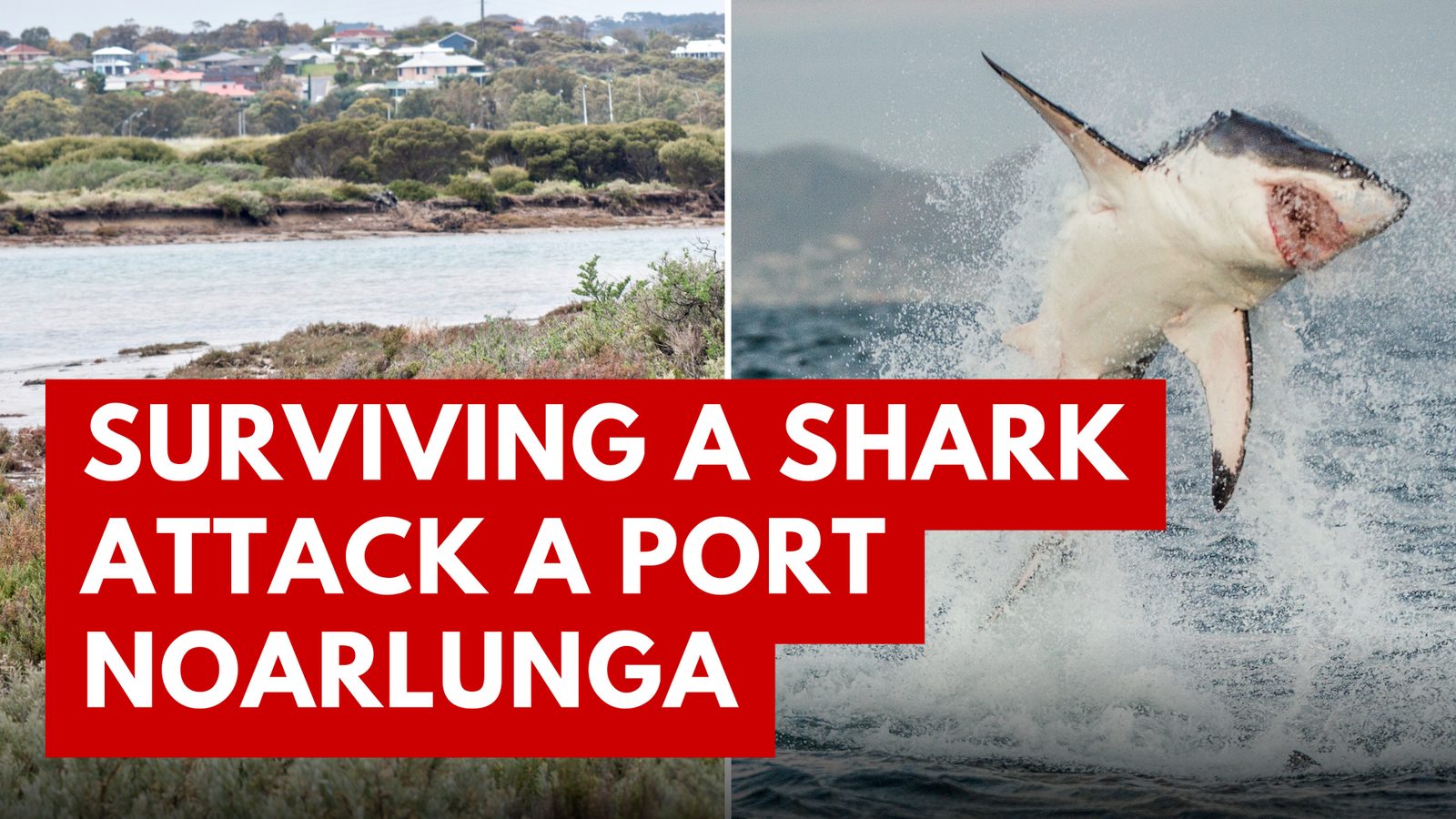
Introduction to Port Noarlunga
Nestled on the stunning Fleurieu Peninsula in South Australia, Port Noarlunga is a beach destination that captivates both locals and tourists alike. With its golden stretches of sand and a charming jetty, the beach offers a picturesque setting for relaxation and adventure.
Visitors are drawn to the area for its free entry and variety of activities, making it a popular choice for those seeking a taste of the great outdoors. Although it lacks its own airport, it's conveniently situated only 26 km from Adelaide Airport, ensuring easy access for travelers.
The real jewel in Port Noarlunga's crown is its reef and aquatic trail, home to an array of vibrant marine life. Snorkelers and divers can explore the underwater world, encountering creatures like the curious Ornate Cowfish and the harmless Port Jackson Sharks. For the daring, night dives reveal the nocturnal wonders of the reef.
Whether you're seeking relaxation or adventure, Port Noarlunga's natural beauty and engaging activities leave a lasting impression on all who visit.
The Attack: A Survivor's Story
On a seemingly ordinary summer morning, despite the rumors of shark sightings circling Port Noarlunga, I decided to take a swim. I shrugged off the warnings, convinced it couldn't happen to me. The water was calm, and I felt an unusual sense of peace, until I was jolted by an excruciating pain in my leg.
"In that instant, I realized I was under attack." The shark had latched onto my leg, and fear surged through me. My mind raced, but instinct took over. I remembered reading that hitting a shark on the nose could deter it. With every ounce of strength, I punched it, and to my relief, it released me.
Bleeding and in shock, I swam towards the shore, adrenaline the only thing keeping me afloat. "I just thought about reaching safety, nothing else." I was pulled from the water and rushed to the hospital, my leg a painful reminder of the encounter. The physical wounds would heal, but the memory of those moments remains vivid.
Surviving this ordeal taught me a powerful lesson about respecting the ocean and the life it harbors.
Understanding Shark Behavior
Shark attacks are often misunderstood, with experts highlighting that such incidents are exceedingly rare and usually non-fatal. Misleading media portrayals can exaggerate their frequency, but the truth is that these events occur due to a confluence of factors.
One key reason behind these attacks is the growing human population engaging in aquatic activities, leading to more encounters. In Australia, data from the Australian Shark-Incident Database reveals an average of 20 shark incidents annually, with approximately 2.8 fatalities. Notably, 2023 saw 4 fatal bites in the country.
Shark attacks often stem from mistaken identity. According to a study at Taronga Zoo, similar motion and shape cues between humans and seals, especially in murky waters, can lead sharks to misidentify humans as prey. "Visual cues are crucial," the study points out, as sharks rely heavily on sight to detect prey, particularly in challenging environmental conditions.
Understanding these factors emphasizes the importance of awareness and education, helping reduce the likelihood of such encounters while fostering respect for these majestic ocean predators.
Preventing Shark Attacks: Expert Tips
While shark attacks are rare, taking precautions can further minimize the risk. Here are expert recommendations for staying safe:
Research Local Shark Patterns:"Understanding seasonal behaviors can keep you safer," experts advise. Be informed about local shark activity before diving in.
Wear a Mask and Fins: These enhance your awareness and provide tools for distancing yourself from sharks if necessary.
Opt for Appropriate Clothing: Avoid bright colors like yellow and neon, as they can attract sharks. Instead, choose darker colors such as black or blue.
Swim in Groups: Sharks are more likely to target isolated individuals. Swimming in groups reduces this risk.
Avoid Dawn and Dusk: These are peak times for shark activity. Stick to swimming during daylight hours.
Further, the Shark Trust emphasizes the importance of awareness and education. Their resources, like the "Speaking Up For The Ocean Toolkit," provide valuable insights into shark safety and conservation.
Remember, "Knowledge is power." Staying informed and prepared can make all the difference when it comes to safely enjoying the ocean.
The Aftermath: Emotional and Physical Recovery
In the wake of the shark attack, John's journey to recovery was arduous and fraught with both physical and emotional challenges. His leg, bearing severe lacerations, required immediate surgical interventions. Months of intensive physical rehabilitation followed, each session a step towards regaining strength and mobility. "Every day was a battle, but I was determined not to let fear overshadow my life," John recalls.
Psychologically, the attack left deep scars. The encounter haunted his thoughts, and he battled with PTSD, a common ordeal for many survivors. The relentless media coverage only amplified his distress, compelling him to relive the trauma repeatedly.
Fortunately, John found solace in Bite Club, a support group for shark attack survivors. This community offered a sanctuary where shared experiences fostered healing. Regular gatherings and online forums provided an outlet for discussing fears and triumphs, reinforcing the bond among survivors. Through mutual support and understanding, John began to reclaim his life, turning his focus from survival to thriving.
FAQs About Shark Attacks
Q: Are all sharks dangerous to humans? A: No, most sharks do not prey on humans. They primarily feed on bony fishes, crustaceans, and mollusks. Shark bites often result from misidentification, making actual attacks extremely rare.
Q: Can sharks smell blood from a mile away? A: This is a common myth. Sharks have a keen sense of smell, but environmental factors affect their ability to detect blood. They can detect a single drop in an Olympic-sized pool, but not from a mile away.
Q: What resources are available for more information on shark attacks? A: The International Shark Attack File (ISAF) is a comprehensive resource, offering data on shark attacks, including statistics, trends, and analysis.
Q: How can I reduce my risk of a shark encounter? A: Stay informed and follow guidelines for safe swimming and snorkeling. The ISAF provides tips on avoiding shark interactions, which are crucial for safety.
For more insights on shark behavior and safety, explore educational programs and conservation initiatives at leading aquariums.
Conclusion: Embracing Ocean Awareness
In the wake of a harrowing shark attack survival story, we have explored the intricate behaviors of sharks and the rare occurrence of these events. Through John's account, we learned about the unpredictability of the ocean and the resilience needed to survive such an ordeal. Expert insights have shed light on why these attacks happen, emphasizing the importance of education and awareness.
Respect for marine life is paramount. Sharks, often misunderstood as mindless predators, play a critical role in ocean ecosystems, as highlighted by debunking myths about their nature. By understanding their behavior, we can coexist more safely with these majestic creatures.
Ultimately, John's journey of survival and recovery serves as a testament to human resilience. It reminds us of the unpredictable beauty and danger the ocean holds. Let this inspire us to approach the sea with respect and awareness, leveraging resources like the International Shark Attack File for safety and learning. Together, we can foster a deeper connection and appreciation for our oceans, ensuring that both humans and marine life thrive.