Steve Smith has etched his name into cricket history, surpassing the all-time record for catches taken in Test cricket as Australia's bowlers and fielders combined to reduce South Africa to 4 for 110 — still trailing by 280 runs — on day three of the Test match at Kingsmead, Durban.
Smith, stationed in the slips cordon, claimed his 221st Test catch when he pouched the edge from David Bedingham for 49, moving him clear of the previous record of 220 which he had levelled earlier in the session. The mark had been jointly held coming into the day, and Smith's second stunning grab of the afternoon session was the one that put him in a class of his own.
Smith's Record-Breaking Afternoon in the Slips
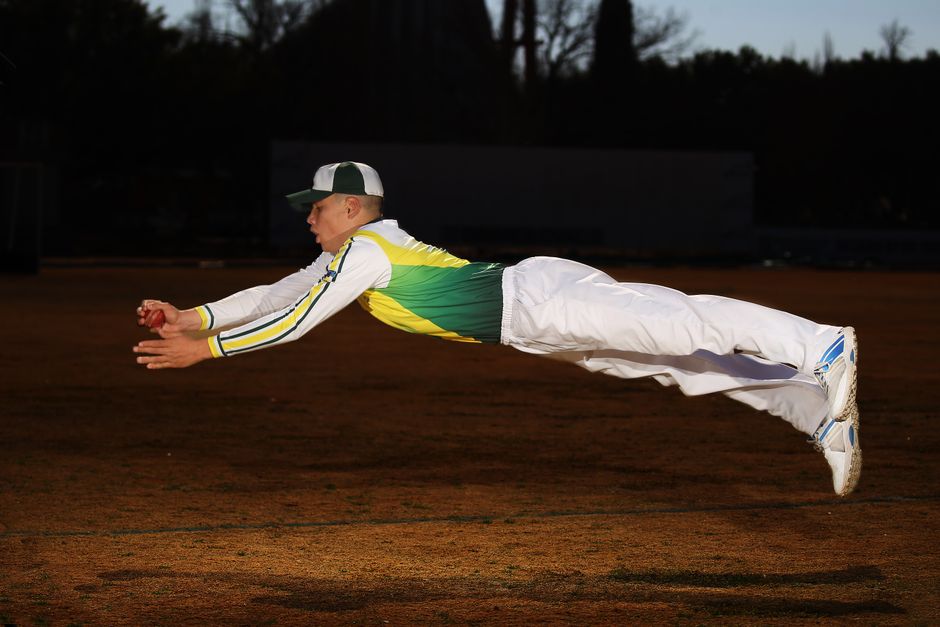
The first of Smith's two catches on the day was equally spectacular. Anticipating a reverse sweep from South Africa captain Temba Bavuma, Smith moved sharply across to complete a sensational diving take off the bowling of Nathan Lyon. Bavuma, who had been attempting to play unconventionally against the off-spinner, found the ball swirling straight to the veteran fieldsman.
The dismissal of Bedingham was Smith's second moment of brilliance. Pat Cummins steamed in with another lifting delivery and Bedingham, who had been becalmed on 48 for some time, feathered an edge through to first slip where Smith snaffled a sharp catch to move to the outright record. South Africa were immediately four wickets down for 99 runs at that point, still a massive 291 in arrears.
"Smith has the world record for catches on 221," observers noted, with the acknowledgement that former England batter Joe Root will no doubt be eyeing further opportunities to reclaim the mark when England next take the field.
Australia's Bowling Attack Shares the Spoils
Smith's brilliance in the field was the headline act, but the collective effort from Australia's bowlers had been equally impressive throughout the morning and into the afternoon. Every member of the attack had claimed at least one wicket by the time South Africa slipped to four down, reflecting the tight, intelligent bowling Australia had produced across the session.
Aiden Markram fell when he tried to force a rising delivery through the off side and found only the edge, while Bedingham followed in near-identical fashion — both beaten by the extra bounce that the Kingsmead surface was offering. Bavuma's wicket was the most dramatic: Lyon's delivery kicked up sharply and the South African skipper's attempted reverse sweep sent the ball straight to Smith at slip.
Lyon was the most threatening of the Australian bowlers, keeping the Proteas batters under sustained pressure with bounce and turn. He was unfortunate not to have claimed another wicket before lunch when a low catch at slip by Marnus Labuschagne off the bowling of Wiaan Mulder was sent to the third umpire for review. The on-field call of not out was upheld after slow-motion replays appeared to show the ball graze the turf before settling in Labuschagne's hands, even though the catch looked clean to the naked eye in real time.
"It was taken, but on the half volley," one commentator remarked, capturing the fine margins involved. Labuschagne and Lyon were understandably frustrated, though the consensus was that the call was reasonable given what the replays showed. The small Durban crowd, which had endured a difficult morning watching wickets tumble, welcomed the reprieve enthusiastically.
Proteas Battling to Limit the Damage
With Tristan Stubbs and Mulder at the crease when South Africa reached 4 for 110, the Proteas were fighting to prevent the deficit from becoming completely unmanageable. Stubbs had shown some intent with a well-timed driving boundary in the lead-up to the drinks break, and Australia would have been eager to keep building pressure through the afternoon session.
Josh Hazlewood continued to share the new ball duties with Cummins, and with the pitch offering assistance to the bowlers, the Australian captain was expected to rotate his options carefully as South Africa attempted to rebuild.
Renshaw's Ton Looms Large Over the Contest
The context for South Africa's difficult position was set the previous day when Matt Renshaw compiled a significant century for Australia, an innings that grew in importance with every South African wicket to fall. Australia's first-innings total of 390 has given their bowlers a commanding platform, and the gulf in scores between the two sides underscores how complete Australia's performance has been across the first three days in Durban.
The significance of Renshaw's contribution — described by the left-hander himself in modest terms — has only grown as South Africa's middle order has struggled to deal with the pace and bounce of the Australian attack. With six wickets still in hand but a deficit still well above 200 to negotiate, South Africa face a monumental task to make the match competitive.
Smith's record, meanwhile, stands as a reminder of his extraordinary longevity and excellence in the field — a world-record tally that cements his status as one of the greatest slip catchers the game has seen. Much like other landmark Australian records, this one has been a long time in the making and speaks to years of consistent excellence.