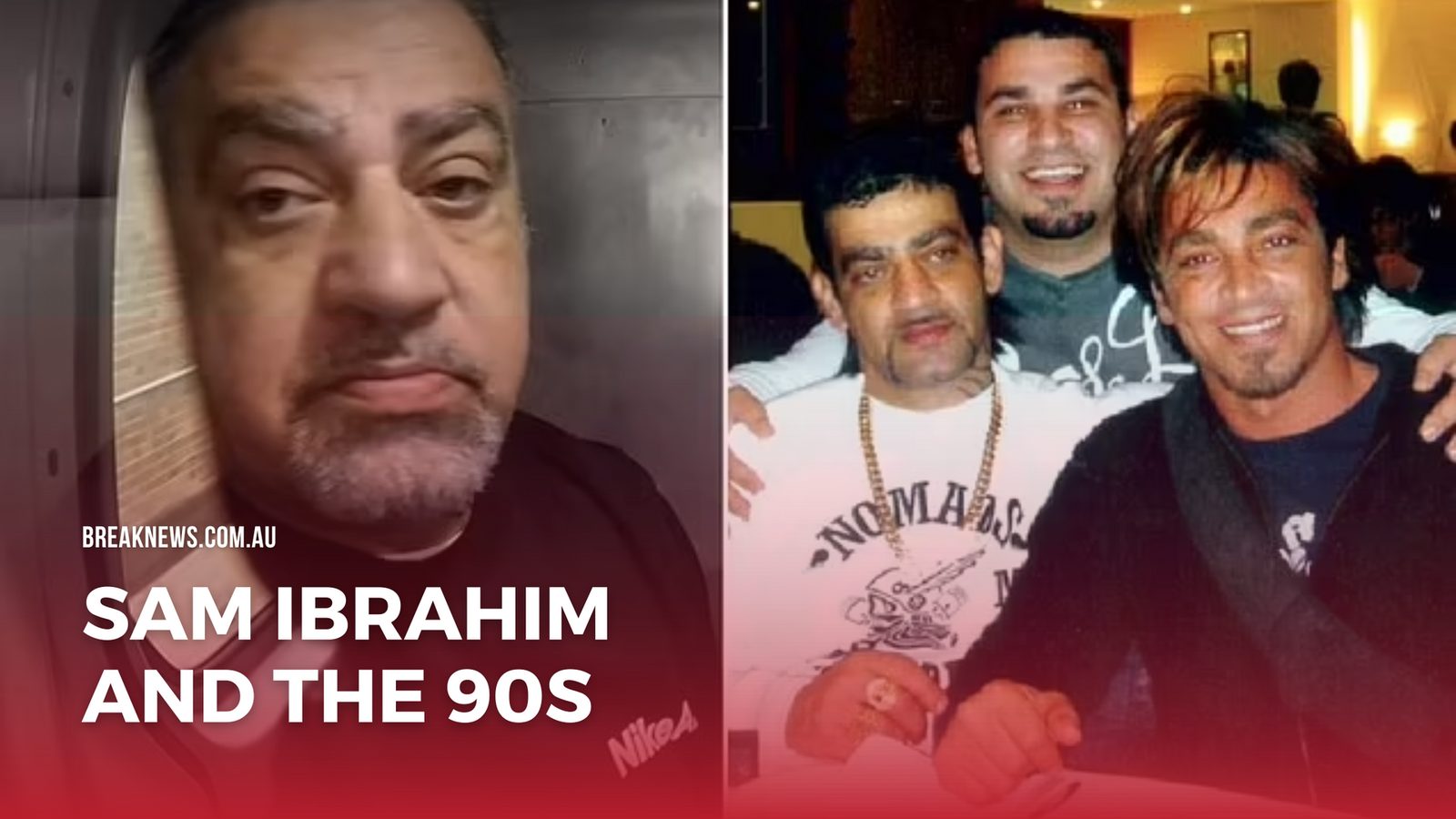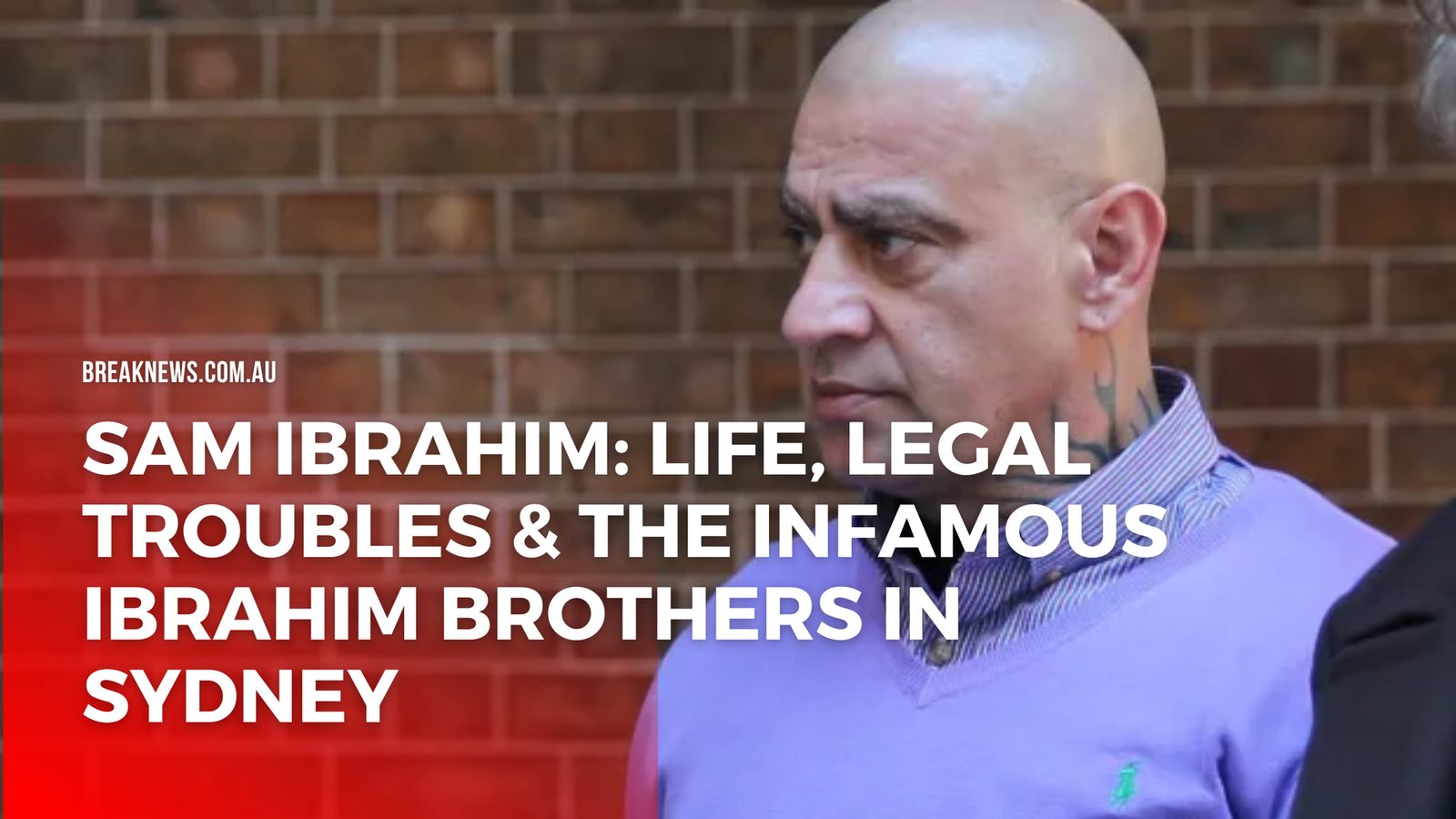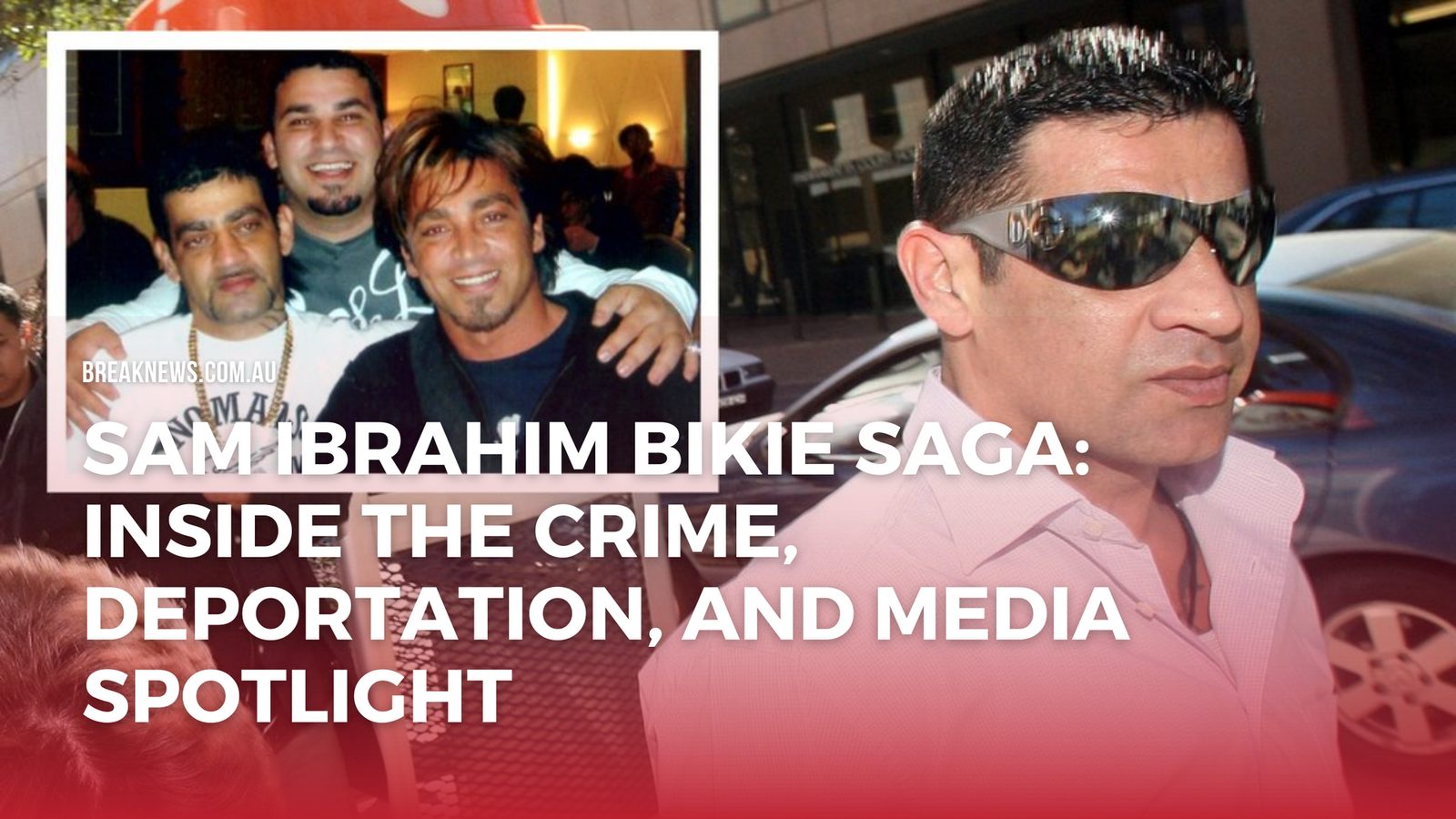
Sam Ibrahim’s name has become synonymous with the ongoing saga of organised crime, high-profile police crackdowns, and constant media intrigue in Australia. As a former president of the notorious Nomads bikie gang, Ibrahim’s criminal exploits and leadership have thrust him into the centre of Sydney’s underworld drama for decades.
This story isn't just about a gang leader—it’s a window into how crime syndicates operate, how authorities attempt to break their hold, and how the public perceives these larger-than-life underworld figures. Political decisions, police operations, and sensational news coverage have all amplified the significance of Ibrahim’s case far beyond the bikie scene.
This article breaks down each chapter of the Sam Ibrahim story—from his rise through bikie ranks, to explosive legal troubles, family connections, interstate police escorts, and eventual deportation moves. Readers looking for in-depth, current insights into Sydney’s criminal landscape and its national reverberations will find all the key elements right here.
Sam Ibrahim’s Criminal Background and Role with the Nomads
Understanding Sam Ibrahim starts with his position as a central figure in the Australian bikie underworld, most notably as Parramatta chapter president of the Nomads. His reputation wasn’t built overnight—it’s the culmination of years navigating the shifting loyalties, rivalries, and power struggles that define outlaw motorcycle gangs.
Ibrahim’s ascent and activities with the Nomads put him in constant conflict with authorities, drawing persistent law enforcement attention. Media coverage amplified his notoriety, transforming him into one of Sydney’s most talked-about crime figures. His criminal background, leadership stature, and subsequent legal troubles offer a crucial prelude to the consequences and high-stakes interventions that followed.
This background sets the scene for deeper exploration of his specific criminal charges, conspiracy allegations, and the ripple effects on Sydney’s crime networks detailed in the sections to come.
Leadership and Gun Supply Conspiracy Charges
Through these allegations and operational realities, it’s clear why Sam Ibrahim became a flagship target in the fight against organised crime, and why his every move has been closely monitored by both law enforcement and the media.
From Prison Transfer in Sydney to Perth: How Police Escorted Ibrahim
The transfer of Sam Ibrahim from a New South Wales prison to immigration detention in Western Australia marked another dramatic chapter in his ongoing story. Moving high-profile figures like Ibrahim raises serious questions about security, risk, and interstate criminal influence.
Authorities planned his transfer as a high-security operation, reflecting concerns over potential threats, escapes, or even acts of violence during transit. This complex logistical effort, orchestrated by police and federal agencies, demonstrated just how seriously the system treats offenders of Ibrahim’s notoriety.
The details of the police convoy, charter flight operations, and associated security protocols not only highlight the unique challenges of transporting underworld figures, but also reassure the public that authorities are on high alert when it comes to safeguarding communities throughout such moves.
Police Convoy and Charter Flight Operations Explained
These extraordinary measures reflected a clear government and law enforcement priority: minimising the chance of public disruption or security breaches at every stage of the journey. For full details on the background and policing context of Ibrahim’s transfer, see the in-depth news coverage here.
Sam Ibrahim’s Family Connections and the Sydney Underworld
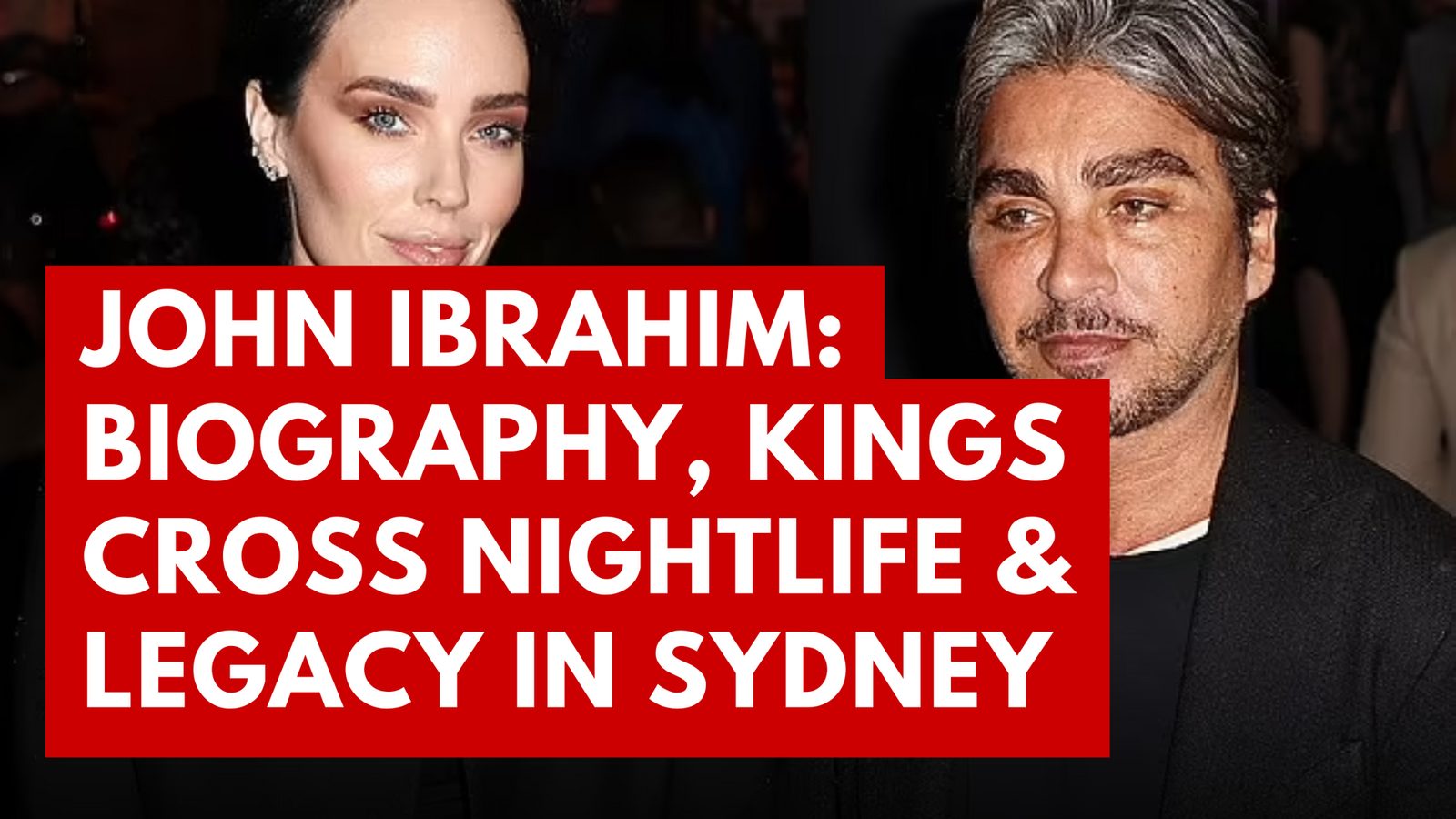
The Ibrahim family is deeply woven into Sydney’s criminal and social fabric. Sam Ibrahim’s influence cannot be fully understood without recognising his relationship to brother John Ibrahim, who has long been one of Australia’s most notorious underworld and nightlife figures. Family ties have been said to strengthen their collective ability to withstand law enforcement pressure and maintain underworld resilience.
John Ibrahim’s reputation as a kingpin of Sydney’s Kings Cross nightlife has often been linked—directly or indirectly—to organised crime, allowing him to serve as both a shield and a point of contact for various factions within the city’s underbelly. Sam and John’s reported collaboration, added to other family members’ occasional legal troubles, has reinforced the "Ibrahim brand" in underworld circles throughout Australia.
For example, the rise of John Ibrahim from street-level hustler to club magnate exemplifies the family’s unique position at the intersection of legitimate business and criminal enterprise. Meanwhile, legal dramas involving other relatives—like the recent money-laundering scandal that ensnared Fadi Ibrahim—highlight how law enforcement scrutiny extends across the family.
The sustained presence of the Ibrahims in media stories and courtrooms alike has left a lasting mark on public perceptions of power, loyalty, and criminal hierarchy in Sydney. As such, the family continues to be a focal point for both social fascination and police attention in Australia’s ongoing gangland dramas.
Government Response and the Rationale for Deportation
The Australian government took decisive action in Sam Ibrahim’s case, using existing laws to cancel his permanent residency on character grounds—a power primarily exercised under Section 501 of the Migration Act. This section allows the Minister for Home Affairs to revoke visas if an individual has a substantial criminal record or poses a risk to the community.
During Ibrahim’s imprisonment, then-Minister Peter Dutton personally intervened, officially cancelling Ibrahim’s residency and initiating the deportation process. The rationale centred on protecting the Australian public from organised crime figures, sending a message that foreign nationals engaged in serious criminal activities are not welcome to remain indefinitely.
Once Ibrahim completed his prison sentence, the government was legally obliged to remove him from Australia “as soon as practicable,” resulting in his imminent deportation to Lebanon, the country of his birth. The process was not just a matter of routine immigration enforcement; it was shaped by national debates on bikie gangs and calls for tougher measures against criminal influence.
This case underscores how character-based visa cancellations can be used against long-term residents with criminal pasts. Ibrahim’s removal is seen by some as a precedent for future actions against bikie gang members and other non-citizens connected to organised crime networks, especially as authorities look to crack down on gangland activities across state lines.
How the Sydney Morning Herald and Media Shaped Ibrahim’s Public Persona
Media outlets such as the Sydney Morning Herald have played a significant role in shaping public perceptions of Sam Ibrahim. Through attention-grabbing headlines, in-depth investigative features, and frequent updates on his legal and personal saga, the press has reinforced Ibrahim’s image as one of Australia’s most notorious underworld figures.
Articles have ranged from straightforward crime reporting to more nuanced profiles, positioning Ibrahim as both a symbol of Sydney’s criminal underworld and a focal point for community fears about organised crime. The storylines often highlight his influence, criminal allegations, connections to broader gang wars, and complicated family ties. For example, media coverage of his release from detention captured both community apprehension and speculation over his future role in the city’s underworld.
The media’s focus has also helped fuel ongoing public debate about law enforcement strategies, government policy on visa cancellations, and the broader impact of crime on everyday life in Sydney and Perth. By documenting Ibrahim’s rise, downfall, and controversial deportation, the Sydney Morning Herald and its peers have ensured that his reputation remains firmly attached to the country’s ongoing conversation about crime and justice.
Ultimately, the coverage reflects—and shapes—the Australian public’s fascination with crime, power, and the individuals at the centre of these dramatic true stories.