The South Australian government is under fire from pensioners who say they were misled by official letters promoting an Origin Energy electricity discount scheme, only to be hit with a significant price increase once the new financial year began. The controversy has drawn criticism from both affected customers and the state opposition, putting the government on the defensive over its pre-election promotion of the offer.
Pensioner Switches Provider, Then Faces Higher Charges
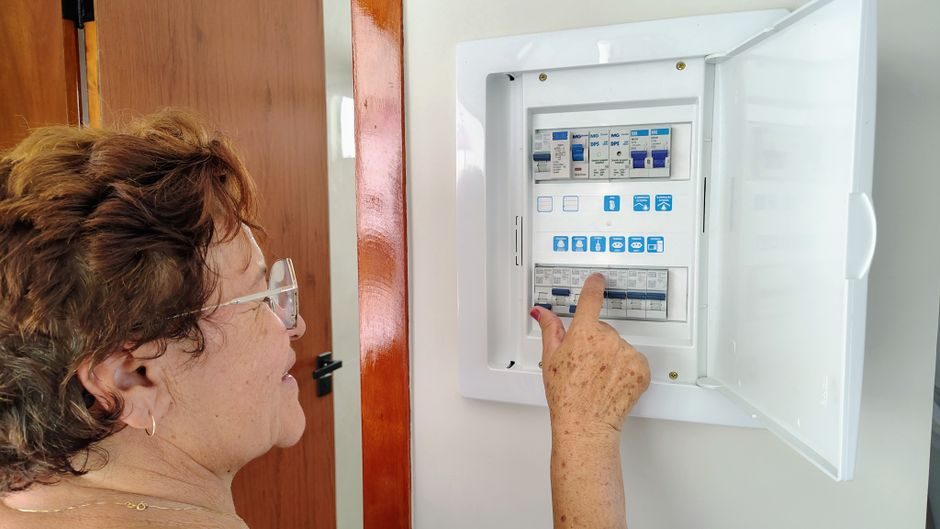
Adelaide pensioner Pauline Fowles says she received a letter from the state government before the March election, spruiking an Origin Energy concessions deal that promised a 20 per cent guaranteed discount off the company's standard electricity usage and supply charges.
"I'm always on the lookout to save a bit of money if I can, so I thought, I'll look into it," Ms Fowles said.
Persuaded by the government's endorsement, Ms Fowles switched away from her long-term provider AGL and signed up with Origin. However, last month she received notification of a new pricing structure for the 2026/2027 financial year — one that included a daily supply charge increase of 53 cents .
"I thought that's not fair because people who are struggling and don't keep themselves warm to save a few cents a day cannot escape the 50 cents or more surcharge on a daily rate," she said. "I was very annoyed … I'm cheesed off."
Ms Fowles acknowledged the government's promotion was genuine at the time, but said the benefit was short-lived. "It only lasted for three months," she said.
Scale of the Scheme and Opposition Criticism
The Origin Energy concession arrangement has been in place since 2017 and currently covers around 83,000 pensioners . However, the state government sent promotional letters to as many as 200,000 concession holders in the lead-up to Labor's successful March election victory, according to SA Opposition Leader Ashton Hurn.
Ms Hurn said the situation raised serious concerns about the government singling out one provider for endorsement, only for customers who followed that advice to find themselves worse off financially.
"It's one thing to encourage consumers to shop around, but in this instance you've got the government who is encouraging a certain provider only to find out that they're actually going to be slugged … by taking the government's advice," Ms Hurn said.
"I would've expected there to be a level of outrage [from the government]."
Government Defends Its Position
Acting Premier Kyam Maher pushed back on the criticism, insisting the government has no control over what energy companies charge their customers.
"What this Origin offer does is allow people to access 20 per cent less than they would otherwise be paying on a normal contract with Origin, but if there's a cheaper offer from someone else, people should look at that," Mr Maher said.
He added that price movements had varied across different contracts, with some going up and others coming down.
An Origin Energy spokesperson maintained that customers enrolled in the scheme were still receiving a 20 per cent discount on electricity prices, despite the changes to the daily supply charge structure.
Voter Sentiment Shifts
For Ms Fowles, the experience has left a lasting mark on her view of the government. A self-described Labor voter at the last election, she said the episode had shifted her outlook.
"I must say I am a swinging voter and I may swing at the next election," she said. "I'm not angry, I'm disappointed."
Her comments reflect a broader unease among pensioners who feel the government's promotion of the scheme amounted to more than a neutral information service — and that those who acted on official advice are now paying a higher price than expected. With cost-of-living pressures continuing to squeeze household budgets, the scrutiny of government-backed consumer schemes shows little sign of abating.