Russia has launched its most devastating aerial assault on the Ukrainian capital Kyiv, killing at least 25 civilians and injuring more than 90 others in an 11-hour barrage of missiles and drones that tore apart apartment buildings and sent tens of thousands of residents fleeing to underground shelters. Both Ukraine and Russia responded to the attack by vowing further military escalation in a war now more than four years old.
The strikes began late Wednesday local time and continued into the early hours of Thursday, with explosions rocking residential districts across the city. Emergency crews worked through dawn, digging through the rubble of collapsed and charred apartment blocks in search of survivors.
Scale and Devastation of the Kyiv Attack
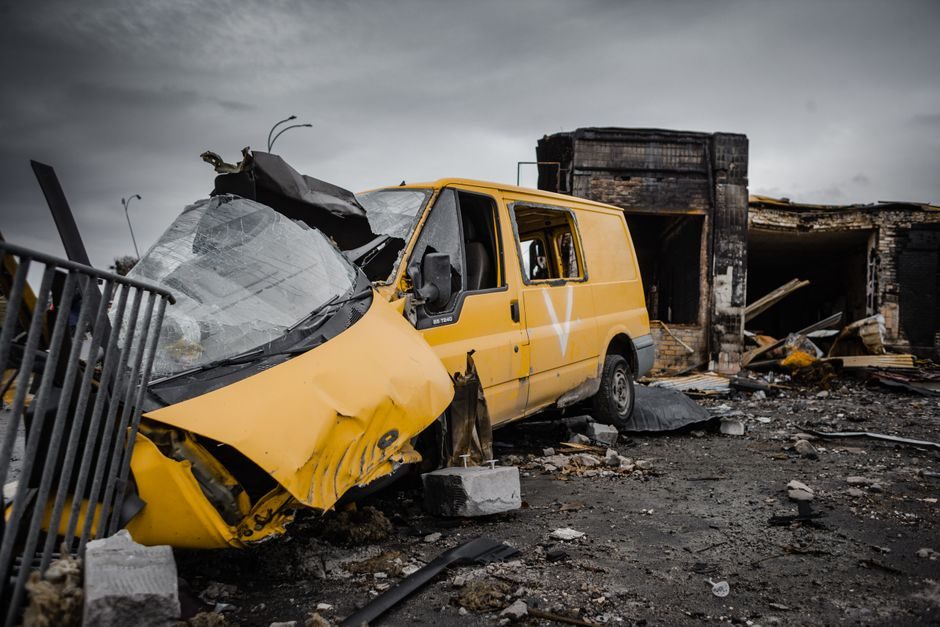
Ukraine's air force confirmed that Russia fired 74 missiles — 24 of them ballistic — and 496 drones of various types during the attack. Ukrainian forces said they intercepted 48 missiles and 476 drones, but the volume of projectiles that got through caused widespread destruction. Damage was recorded at 30 locations across Kyiv, predominantly residential buildings and civilian infrastructure.
Some 20 residential buildings were damaged. In the Desnianskyi district, residents were trapped inside a damaged nine-storey building, while in the Darnytskyi district, six floors of a separate nine-storey building collapsed entirely. A fire broke out on the roof of a 16-storey block during the assault.
Kyiv Mayor Vitali Klitschko described it as the "enemy's most massive attack on the capital." Foreign Minister Andrii Sybiha called it a "night of horror." The Ukrainian Red Cross reported that a key warehouse had been destroyed, with around US$2 million (AU$2.8 million) worth of humanitarian aid lost in the attack. Debris also struck a building housing a number of diplomats, though those individuals were reported to be unharmed.
Beyond Kyiv, in the central Dnipropetrovsk region, a Russian guided bomb strike killed a seven-year-old girl and wounded four other members of the same family, including an 11-year-old child.
Russia Claims Retaliation; Ukraine Rejects the Justification
Moscow framed the assault as a retaliatory strike, with Russia's defence ministry stating it was a response to Ukrainian long-range attacks on Russian oil refineries and fuel infrastructure — part of what President Volodymyr Zelenskyy has described as a 40-day blitz targeting Russian energy assets. The Kremlin claimed the bombardment struck exclusively "military or military-linked targets," publishing a list of facilities it said were hit, mostly drone and missile manufacturing plants.
Ukraine categorically rejected that framing. Foreign Minister Sybiha said Ukraine was exercising its lawful right to self-defence and that Russia remained the aggressor. Ukraine's increasingly frequent strikes on Russian oil infrastructure have caused fuel shortages inside Russia and placed growing pressure on the Kremlin, officials say.
Russia's General Staff chief General Valery Gerasimov reported the results of the strike to President Vladimir Putin, according to the Kremlin. Despite ongoing Russian strikes against Ukrainian infrastructure throughout the conflict, Moscow has continued to characterise each wave as a targeted and proportionate response.
Zelenskyy Cuts Dublin Visit Short, Demands More Air Defence
President Zelenskyy cut short a visit to Dublin as news of the strikes spread, returning to survey the destruction firsthand. He inspected a partially destroyed apartment block and vowed that Ukraine would "definitely" retaliate .
Zelenskyy used the aftermath of the attack to renew urgent calls for advanced air defence systems, specifically pressing the United States for licences to allow Ukraine to manufacture munitions for the Patriot missile interceptor system domestically. "We also very much count on a decision by the United States regarding licences for Patriots," he said. Defence analysts note that establishing such domestic production would take considerable time.
After separate talks with Finland's President Alexander Stubb, Zelenskyy emphasised: "Defending against ballistic missiles is impossible without a sufficient number of missiles for Patriot systems."
The European Union's top diplomat proposed fresh sanctions on Moscow in the wake of the attack, while a US official indicated that President Donald Trump was seeking a peace deal to end what he described as the "senseless killing."
International Condemnation and What Comes Next
United Nations Secretary-General António Guterres condemned the barrage and repeated calls for an immediate ceasefire. His spokesman Stephane Dujarric stated: "Attacks against civilians and civilian infrastructure wherever they occur are a clear violation of international humanitarian law and must stop immediately."
Despite diplomatic pressure from multiple directions — including the Trump administration's push for negotiations — no peace process has gained traction. Russia has signalled it will continue to ramp up "pressure" on Ukraine, while Zelenskyy's government says it will not relent in striking Russian military and energy targets.
The conflict, now Europe's deadliest since World War Two, shows no signs of abating, with both sides signalling further military action in the days ahead. For those wanting to understand the reach of Russian influence beyond its borders, the broader context of this war continues to reverberate globally.