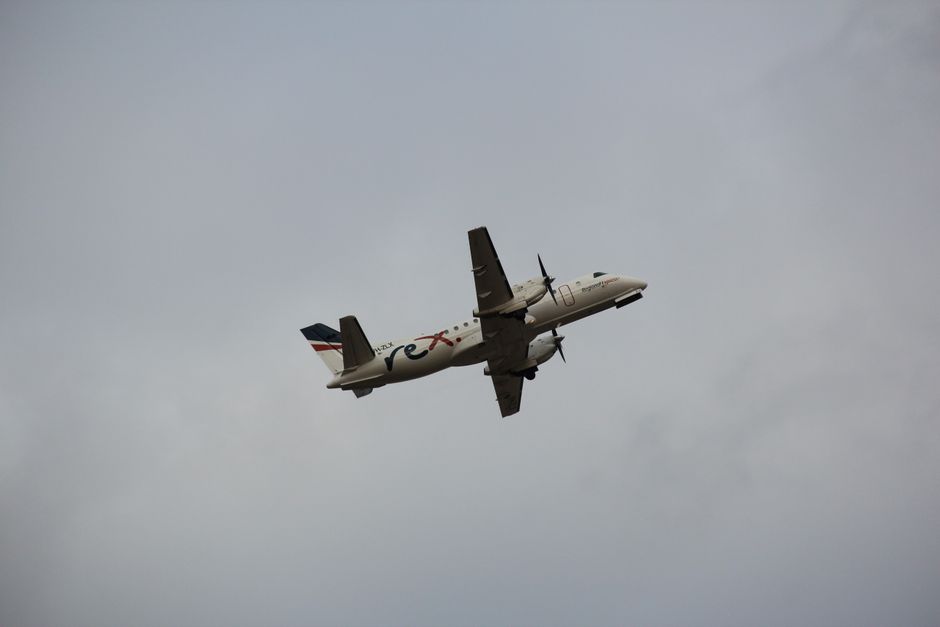
Australians living in regional and remote communities are paying significantly more to fly than those in major cities, with new analysis revealing airfares on these routes are 11 per cent higher per passenger and 13 per cent higher per kilometre than routes linking capital cities. The findings, released by the Productivity Commission after its first-ever examination of airline cost and revenue data, raise fresh concerns about the long-term viability of some of the country's most essential aviation links.
The Scale of the Regional Airfare Gap
The Productivity Commission's analysis, covering the period from 2023 to 2025, found that passengers on short regional and short remote routes were paying fares per kilometre that were more than double those charged on major city routes. The disparity is not simply a matter of distance or convenience. It reflects a structural imbalance in how these routes operate.
Half of all regional and remote routes carry fewer than 15,000 passengers per year, with an average of around 10 flights or fewer departing each week. On those services, at least one in three seats is typically empty. When airlines must spread their operating costs across a small pool of travellers, the financial pressure flows directly onto ticket prices.
"When operators have to spread the costs of running flights across a small number of passengers, they're often choosing between charging higher fares or running them at a loss," Productivity Commission member Martin Stokie said.
Despite those elevated fares, the commission found that 91 per cent of regional airfare revenue goes toward operating costs, leaving an average profit margin of around nine per cent. That figure is broadly in line with major city routes. However, the picture varies considerably across route types. Mining routes, for example, generate average profit margins of 20 per cent or more, while many short regional and remote routes earn margins of less than five per cent, leaving them exposed to any rise in costs or drop in demand.
Competition Is Limited and Infrastructure Costs Are High
Market competition on regional routes is narrow. Around 90 per cent of passengers travelling on regional and remote services use either Qantas Group or Virgin Australia, leaving limited room for competitive pricing pressure. Many short routes are served by a single operator with no alternative.
The infrastructure supporting these services is also under strain. Regional airports face a challenging operating environment, with many running at a loss or depending on government funding to keep the lights on. Council-owned airports and aerodromes carry an estimated replacement cost of approximately $4 billion, and the report noted that meeting government regulatory requirements adds further cost pressure for some operators.
Qantas has previously made headlines for other aviation milestones, including a record-breaking long-haul test flight, but the focus of this report is squarely on the domestic networks that many Australians rely on simply to access basic services.
Communities Most Affected Have the Fewest Alternatives
For many Australians living outside major cities, air travel is not a luxury. It is the primary means of reaching hospitals, specialist medical care, employment and family. The commission noted that regional and remote communities are disproportionately affected by high airfares precisely because they have few, if any, alternatives to flying.
"The challenges facing a remote island community are very different to those facing a large regional tourism destination or a mining centre," said commissioner Catherine de Fontenay.
De Fontenay emphasised that the commission had spoken directly with people in communities across Australia who described how central air travel was to their daily lives. This human dimension is central to the commission's framing of the problem. It is not just an economic efficiency question. It is a matter of equitable access to services that most city-dwellers take for granted.
The commission noted that limited capacity to pay higher fares among some regional residents makes the situation more acute. Pressures on household budgets in these areas are already significant, a concern that echoes broader cost-of-living challenges affecting Australians more widely, including the growing number of Australians dipping into superannuation early to cover essential costs.
What the Productivity Commission Is Recommending
The commission has stopped short of prescribing specific policy solutions in this interim phase, but it has set a clear direction. Any government intervention, it argues, should be targeted at improving connectivity for people in remote areas and on islands rather than broadly subsidising the aviation sector as a whole.
Since higher fares largely reflect higher genuine operating costs rather than excessive profiteering, blanket fare regulation would not address the root causes of the problem. The commission's view is that support should be directed toward people in regional and remote communities who need to access key services, rather than supporting routes or operators more generally.
Short regional and remote routes, identified as the most financially fragile, are expected to be a central focus of that guidance. The commission is due to deliver its final report to the federal government in 2027, which will provide more detailed recommendations on how to build a competitive, reliable and affordable aviation network beyond Australia's major cities.