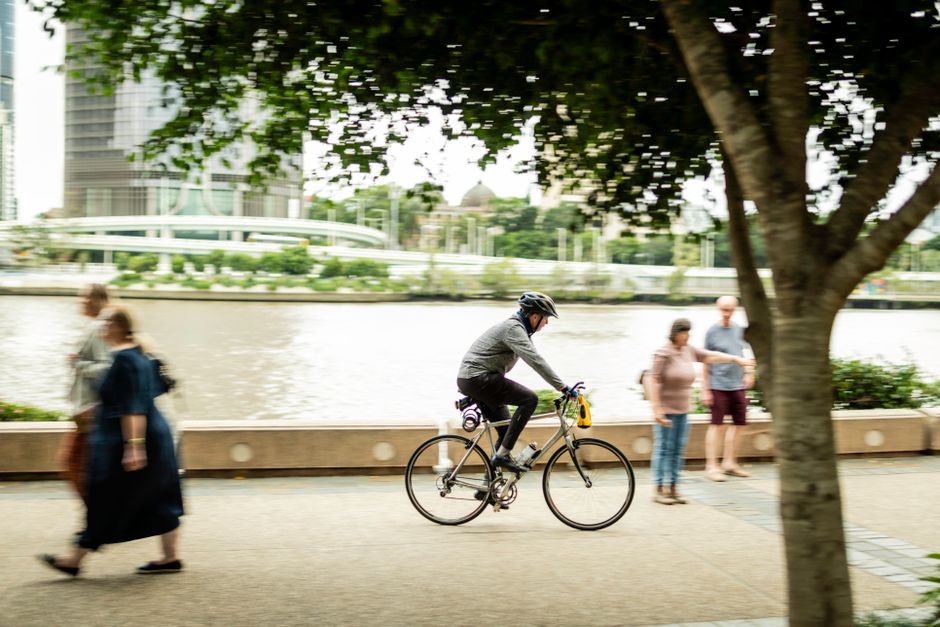
A specialist team of walking and cycling experts embedded inside Queensland's Department of Transport and Main Roads (TMR) for two decades has been disbanded, triggering widespread concern among transport professionals, academics and active travel advocates about the future of active transport planning in the state.
The Walking and Cycling Infrastructure Team, established in 2006, was formally wound up on October 30, according to a LinkedIn post by senior TMR adviser Michael Langdon, who described it as the "end of an era". The post drew dozens of tributes from across the transport sector.
What the Team Achieved Over Two Decades
Over its 20-year lifespan, the team contributed to some of Queensland's most significant active transport projects. Its work included infrastructure improvements to the Veloway and the Kurilpa Bridge, as well as the development of the cycleway and shared path along the Ipswich Motorway between Oxley and Rocklea.
The team also delivered a broad range of technical advisory work, including:
- A 2023 speed study on the Kurilpa Bridge
- A review of "door zone" collision risks between car doors and cyclists
- Analysis of bicycle GPS tracking data
- Research into floating bus stops and raised pedestrian crossings, commonly known as wombat crossings
- Data collection on e-scooters
- Suicide prevention screen assessments
- Dozens of walking and cycling technical training courses delivered across Queensland
Team members also represented Queensland at national and international forums, including the International Cycling Safety Conference in 2019 and the Local Government Association of Queensland Active Transport Forum in 2025.
Government Insists It Is a Restructure, Not a Cuts
The state government has pushed back against characterisations of the move as a dismantling of active transport capacity. A TMR spokesman confirmed the team had been relocated to the newly established Engineering Delivery Support Group, and said there had been no job losses.
"TMR has a walking and cycling infrastructure team which has moved to the newly established Engineering Delivery Support Group, focused on delivering active transport projects across Queensland," the spokesman said.
It is understood the restructure is intended to bring walking and cycling expertise into the planning and design process at an earlier stage, with the government arguing this will strengthen delivery of active transport projects, including those connected to the Olympic and Paralympic Games.
Fears Over Active Transport Planning Ahead of the Olympics
Despite the government's assurances, the disbandment has sparked genuine unease among those working in and around active transport. Some industry figures have raised concerns about whether a dedicated focus on walking and cycling can be maintained within a broader engineering delivery group, particularly as Queensland prepares to move tens of thousands of people between Olympic venues.
Labor's transport spokesman Bart Mellish described the news as "incredibly disappointing, but not surprising given this government's disdain for cycling and active transport."
"This team did great work for cycling outcomes over a number of years, and it is sad to see them disbanded," he said.
Funding Gap Adds to Concerns
The restructure comes alongside a significant reduction in active transport funding under the current government. The Crisafulli government committed $4 million to the School Transport Infrastructure Program, which provides active travel grants to councils, in the 2025-26 budget. By contrast, the previous Labor government had allocated $16 million for the same period before losing the October 2024 state election, representing a cut of three-quarters to the program.
Together, the funding reduction and the team's restructure have deepened anxiety among cycling advocates and transport planners about the direction of active transport policy in Queensland at a time when demand for safe, connected walking and cycling networks has never been higher.