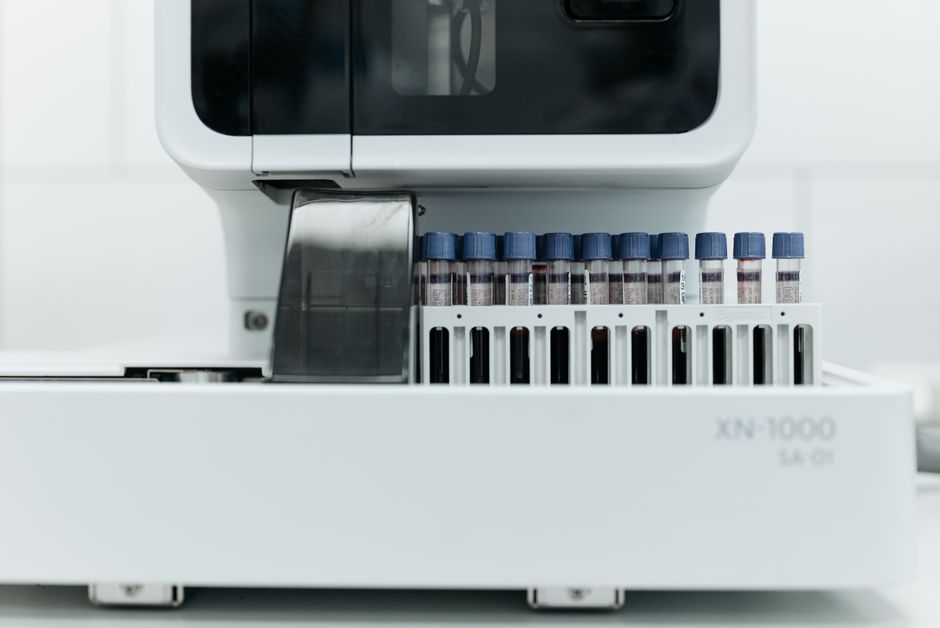
Perth-based biotech Proteomics International Laboratories has secured a United States patent for its PromarkerEndo blood test, marking a significant commercial milestone as the company moves to establish a foothold in the world's largest healthcare market. The United States Patent and Trademark Office granted the patent — titled Endometriosis Biomarkers — covering methods of diagnosing endometriosis using specific protein biomarkers identified in blood samples.
Why the PromarkerEndo Patent Matters
Endometriosis affects one in nine women and currently carries an average diagnostic delay of seven years, a journey that typically involves invasive surgical procedures. A validated blood-based screening tool has the potential to dramatically shorten that pathway and spare many patients years of uncertainty and discomfort.
The newly granted patent provides intellectual property protection in the United States until March 2041, giving Proteomics a durable competitive moat as it pursues commercial partnerships and licensing arrangements. The company also expects the patent to support its push for regulatory reimbursement — the process by which government agencies and private health insurers set standard payment rates for diagnostic tests — which is widely regarded as the gateway to sustainable commercial volume in the US.
Proteomics managing director and chief executive David Morris described the grant as "a major achievement and an important validation of the novelty and commercial potential of PromarkerEndo." The company estimates the initial addressable US market at 360,000 annual tests.
A Broader Commercial Strategy Taking Shape
The patent is one piece of a larger strategic reset underway at Proteomics. Under Morris, who brings a commercialisation background to the role, the company has formally closed its long research phase and committed to a disciplined three-year plan to convert its science platform into a scalable diagnostics business.
Rather than building costly in-house sales infrastructure, Proteomics has opted for a capital-light distribution model, leaning on established partners to bring its tests to market. Management argues the approach should accelerate adoption, reduce establishment risk and preserve capital — a sensible calculation for a listed life sciences company navigating the often-treacherous gap between the laboratory and the sales ledger.
The company has also refreshed its board as part of the broader repositioning.
A Portfolio of Four Diagnostic Tests
While PromarkerEndo is currently in the spotlight, it sits within a portfolio of four diagnostic tests. The company's most advanced commercial candidate is PromarkerD, a blood test designed to predict diabetes-related chronic kidney disease up to four years before symptoms emerge, with an estimated US market of 390,000 annual tests.
PromarkerEso targets patients with chronic reflux, offering a blood-based tool to help rule out throat cancer and potentially reduce the need for invasive endoscopies. The fourth offering, OxiDx, is an oxidative stress testing platform with potential applications in specialist medicine as well as elite athletic and equine performance markets.
What Comes Next
Proteomics has outlined a staged rollout with clear milestones. By the first half of fiscal 2027, the company plans to appoint an Australian distribution partner and begin controlled market releases of PromarkerEndo locally. By the second half of 2027, the goal is to have a US distribution network in place and to lodge reimbursement submissions in both countries.
In Australia, a successful listing on the Medicare Benefits Schedule would meaningfully broaden patient access. In the United States, reimbursement typically advances insurer by insurer — a slower process, but one that can generate substantial recurring revenue once critical mass is achieved.
With intellectual property now locked in across a key market, a refreshed leadership team and a detailed commercialisation roadmap, Proteomics International is positioning itself for the transition that every development-stage biotech ultimately has to make: from promising science to paying customers.