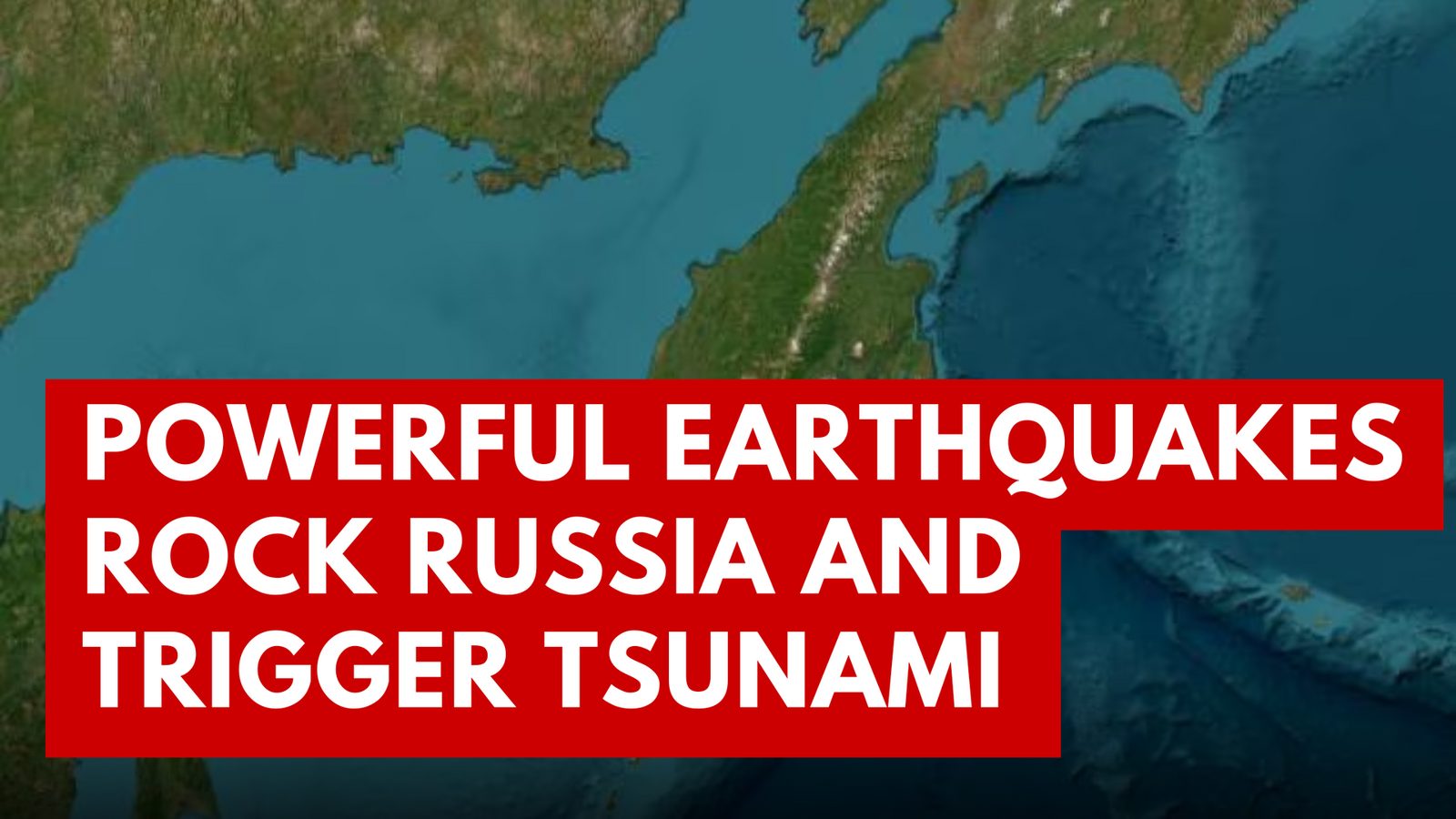
Introduction to Recent Earthquakes in Russia
A series of powerful earthquakes has struck Russia, capturing global attention and causing significant concern. The seismic activity began with an initial quake measuring 6.5 in magnitude, rattling the eastern coast and setting the stage for further shocks. Just as the region began to grapple with the aftermath, a more devastating earthquake followed.
The strongest tremor, with a staggering magnitude of 7.4, struck off the Russian coast, amplifying the sense of urgency and fear among residents. These earthquakes have not only disrupted lives but have also raised important questions about preparedness and response in the face of natural disasters. Stay informed as we delve deeper into the sequence of events and the impact on affected communities.
Sequence of Earthquakes
The recent series of earthquakes in Russia unfolded over a tense hour, beginning with an initial tremor of 6.5 magnitude that struck the eastern coast. This first quake shook the region at approximately 10:30 AM local time, setting off a wave of seismic activity that would dominate the next sixty minutes.
Shortly after, four additional earthquakes followed in quick succession, each varying in intensity. The most powerful of these, a 7.4 magnitude earthquake, hit just off the Russian coast. Occurring around 11:15 AM, this quake was the most devastating, causing widespread alarm and significant structural damage.
Witnesses described the experience as "terrifying" and "unlike anything they had ever felt before." One resident captured the moment on video, exclaiming, "The ground was shaking so violently, we thought it would never stop." These accounts, along with footage shared on social media, vividly illustrate the fear and chaos experienced by those on the ground.
Each earthquake added to the urgency of emergency responses and highlighted the critical need for swift action and support in the wake of such natural disasters.
Immediate Impact and Damage
The series of powerful earthquakes in Russia has left a significant mark on the landscape. Initial reports indicate that over 200 buildings have sustained substantial damage, with some structures completely collapsed. Infrastructure, including roads and bridges, has also suffered, complicating transportation and emergency response efforts.
The areas most affected include the eastern coastal regions, specifically the Kamchatka Peninsula and parts of Sakhalin Island. These regions experienced the brunt of the seismic activity, with local authorities describing scenes of debris-covered streets and disrupted utilities.
In response to the devastation, Russian authorities swiftly mobilized emergency services to assess the damage and provide aid. Search and rescue teams have been deployed to the most severely impacted areas to assist those in need and assess the safety of damaged structures. Additionally, temporary shelters have been established to accommodate displaced residents, ensuring they have access to food, water, and medical assistance.
As the situation develops, authorities remain vigilant, providing real-time updates and coordinating with local agencies to mitigate the immediate impacts while prioritizing community safety.
Tsunami Warnings and Response
In the wake of the powerful earthquakes, initial tsunami warnings were promptly issued for Russia's eastern coastal regions. The alerts covered a broad area, emphasizing the potential threat to coastal communities and urging residents to seek higher ground. This quick action was crucial in ensuring public safety, as authorities aimed to prevent any loss of life due to potential tidal waves.
Russian emergency services were swift in their response. They coordinated with local agencies to facilitate evacuations and disseminated information through various channels, including TV, radio, and social media. "Our priority is the safety and well-being of our citizens," stated a spokesperson for the Emergency Situations Ministry. The coordinated efforts underscored the importance of preparedness and communication during such crises.
As assessments continued, the tsunami threat was eventually lifted. Experts confirmed that the risk of significant tidal waves had diminished, allowing residents to return home. Authorities, however, continue to monitor the situation closely, ready to respond should conditions change. The lifting of the tsunami warning marks a positive step towards recovery, but vigilance remains essential in the aftermath of such significant seismic events.
Assessing the Overall Impact
As recovery efforts intensify, authorities are conducting thorough damage assessments to understand the full impact of the earthquakes. The preliminary evaluations indicate significant destruction to infrastructure, with several buildings rendered unsafe for habitation. The table below provides a summary of the current damage assessments:
Category
Extent of Damage
Buildings
Severe structural damage in multiple regions
Infrastructure
Roads and bridges damaged, disrupting transport
Utilities
Power and water supply interrupted
In addition to the immediate damage, there remains an ongoing risk of aftershocks, which could exacerbate the current situation. Residents are advised to remain cautious and aware of emergency protocols as the seismic activity continues to be monitored closely.
International aid has begun to arrive, with various countries offering support and resources to assist in relief efforts. These initiatives are crucial in providing much-needed assistance to the affected communities, ensuring they receive the help required to recover and rebuild. The collaborative response highlights the global solidarity in times of natural disasters.
Frequently Asked Questions
Q: What are the common concerns about earthquake safety?
A: Earthquake safety often revolves around the structural integrity of buildings, the availability of emergency services, and the preparedness of residents. It's crucial to know the safest places in your home, such as under sturdy furniture or against interior walls, to protect yourself during tremors.
Q: What advice can be given to residents in affected areas?
A: Residents should always have an emergency kit ready, including essentials like water, food, and medical supplies. It's important to stay informed through official channels and adhere to any evacuation orders or safety advisories. Establishing a communication plan with family members can also be a lifesaver.
Q: Is there a risk of future earthquakes in the region?
A: While the immediate threat of a tsunami has been lifted, the region may experience aftershocks that could pose additional risks. Scientists continue to monitor seismic activity closely to evaluate any potential future threats. Staying informed and prepared is the best defense against further disruptions.
Conclusion and Future Updates
The recent series of powerful earthquakes in Russia, marked by a magnitude 7.4 quake, has caused significant disruption and damage throughout the region. Buildings and infrastructure have been affected, and although the tsunami warnings have been lifted, the threat of aftershocks remains. Authorities are actively assessing the situation and providing aid to those in need.
As recovery efforts continue, it is crucial for residents and those interested in the region's well-being to stay updated on developments. Monitoring official channels will ensure you receive the latest information and safety advice.
In these challenging times, the resilience and support of the community play a vital role in recovery. Let's remain informed and prepared as efforts to rebuild and restore normalcy proceed.