Australian drivers are getting a break at the bowser this week, with unleaded petrol prices falling below $2 per litre across almost every capital city. But energy experts are urging motorists not to bank on the relief lasting through the Christmas period, warning that global tensions could send prices surging again at any time.
Petrol Prices at Their Cheapest in Over Two Months
The drop represents a significant turnaround from October, when the average price of unleaded petrol hit a record high of $2.40 per litre. Prices have now fallen to their lowest point in more than two months, offering some short-term comfort for households already under financial pressure.
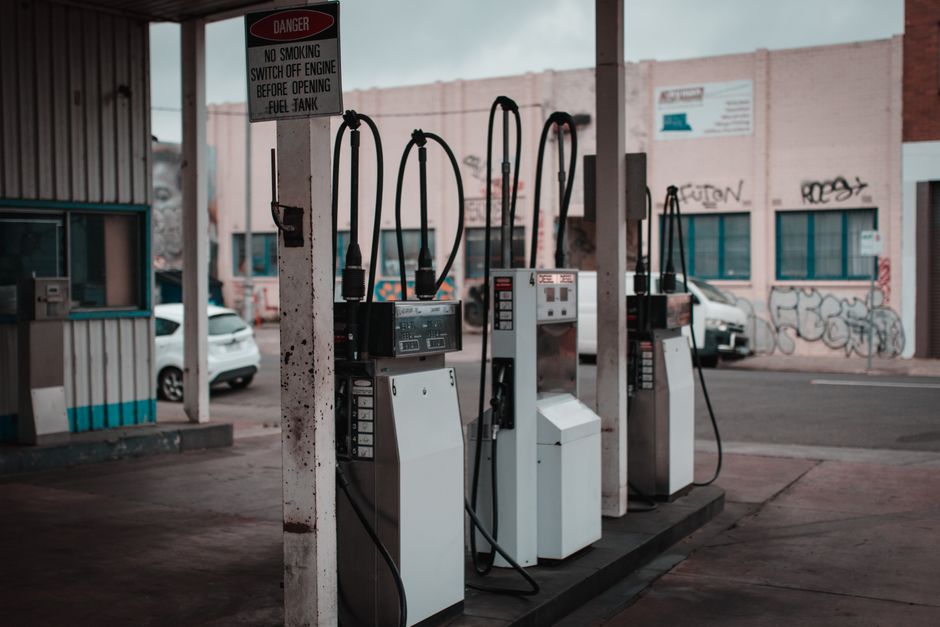
For those filling up near a petrol station this week, the savings compared to October's peak are likely noticeable, but experts caution that the underlying situation driving prices remains deeply unstable.
Why the Outlook Remains So Uncertain
John Blackburn, a fellow at the Australian Institute of Energy, described the global oil market as "incredibly volatile," pointing to the ongoing threat of further conflict between Iran and the United States as a key risk to global supply chains.
Blackburn noted that crude oil exports out of the Gulf region had recovered to around 82 per cent of pre-war levels, largely thanks to alternative pipelines and shipping routes. However, he said the flow of oil through the strait itself remained at roughly half of what it was before the conflict began.
"If there's not a blow-up between Iran and the US between now and then, hopefully they will stay where they are or even go a bit lower, there's a possibility," he said, referring to the Christmas period.
"But the area is so volatile and so you can't predict it. It's a day-to-day sort of thing that we're looking at."
Diesel Prices Telling a Different Story
While petrol drivers may be enjoying some temporary relief, Blackburn warned that diesel prices are not following the same downward trend. He attributed the stubbornly high cost of diesel to mounting pressure on global refining capacity.
Two compounding factors are at play: disruptions to fuel exports through the Gulf, and the ongoing Russia-Ukraine war, which Blackburn said has reduced Russia's refining capacity by approximately 40 per cent. Together, these forces are keeping diesel prices elevated despite the broader easing in oil costs.
The ripple effects extend well beyond the fuel bowser. Exports of liquefied natural gas, fertiliser inputs, chemicals and plastics are all continuing to be affected by the same supply disruptions, adding broader cost pressures to the Australian economy heading into the new year.
What Drivers Should Expect Heading Into Christmas
For now, motorists can enjoy petrol prices at their most affordable in months, but Blackburn's message is clear: do not plan around current prices holding. The combination of geopolitical instability in the Middle East and constrained global refining capacity means the fuel market could shift quickly and without warning.
Households already grappling with rising cost-of-living pressures will be hoping the current reprieve at the pump holds through the busy Christmas and New Year travel period, but experts are stopping well short of any guarantees.
The advice from energy analysts is straightforward: fill up when prices are low, stay alert to global developments, and do not assume today's price will be the same next week.