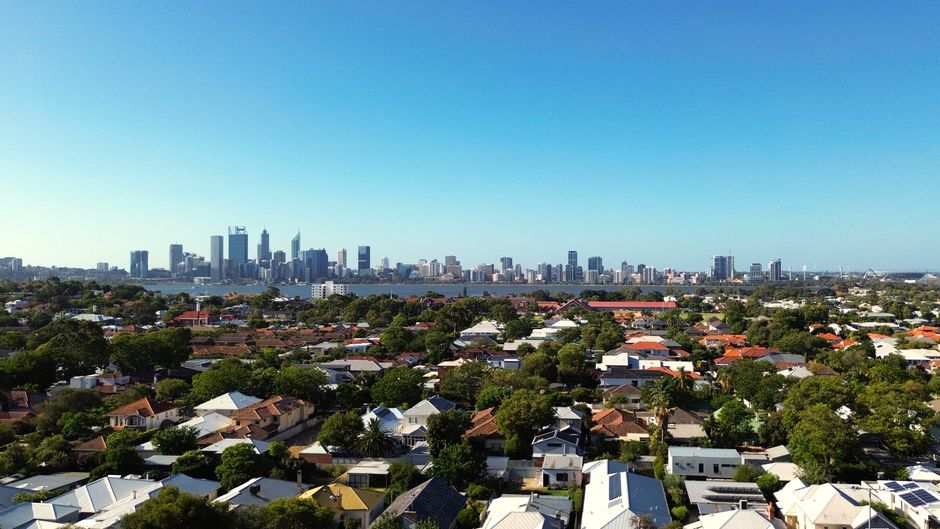
Perth has cemented its unwanted status as Australia's least affordable capital city for renters, holding the title for the third consecutive year as Western Australians continue to spend a greater share of their income on rent than residents in any other state capital, according to new national rental affordability data.
The National Shelter's Rental Affordability Index, which measures median rent against average income, found Perth tenants are spending 32 per cent of their income on housing costs. That figure sits above the 30 per cent threshold at which low-income households are considered to be in "housing stress," meaning rent is consuming too large a portion of a household's budget to leave room for other essentials.
A Dramatic Reversal Since the Pandemic
The situation represents a stark turnaround from just a few years ago. In 2020, Western Australia had the most affordable rental market of any state in the country. Since then, affordability has deteriorated faster in Perth than in any other Australian capital.
Shelter WA chief executive Kath Snell described the speed and scale of the collapse as "devastating."
"During COVID, our state was considered a rental affordability refuge and now it is one of the least affordable," she said. "Decades of underinvestment in social and affordable housing, and suitable schemes, along with cost-of-living pressures, have caught up and left us with the rental crisis we're in today."
Snell said the evidence demanded immediate government intervention, calling for a rent cap and a commitment to delivering 5,000 additional social and affordable homes each year, backed by a funded delivery roadmap. She also flagged that converting short-term rental properties back into the long-term market could form part of the solution.
Affordable Pockets Vanishing Across Perth
The data paints a bleak picture for renters searching for relatively affordable areas within the metropolitan region. As recently as 2023, several Perth corridors still offered acceptable rental affordability, including suburbs from Maylands through to Marangaroo. That is no longer the case.
SGS Economics and Planning principal Ellen Witte said those pockets have now all but disappeared. "What was once affordable three years ago, like Maylands and Marangaroo, have now completely disappeared," she said. Renters seeking acceptably priced housing would now need to look as far as the Wheatbelt region to find it.
At the extreme end of the scale, City Beach ranked as the single most unaffordable suburb in the index, with a Rental Affordability Index rating of just 43, classified as "extremely unaffordable." A renter earning $113,447 annually would still need to direct 70 per cent of their income toward rent in that suburb.
Regional WA Hit Even Harder
The crisis is not confined to the city. Witte said regional Western Australia is faring even worse than Perth, with affordability in rural and regional areas reaching historic lows. Affordability in those areas has fallen by 41 points over the past decade, she noted.
The ripple effects are being felt across key industries. Worker shortages driven by housing unaffordability are straining health services, hospitality, education and agriculture in regional communities where rental options are already scarce.
For lower-income households, the pressure is forcing difficult choices. "Parents are skipping meals, young adults remain living with their parents for longer, couples may delay having children and more people live together in one house, leading to overcrowding and stress," Witte said.
The findings add to a broader national conversation about housing affordability pressures across Australia, with advocates urging all levels of government to treat the situation as the emergency it has become. Snell was blunt in her assessment: "Bold action from the WA government can't wait any longer."