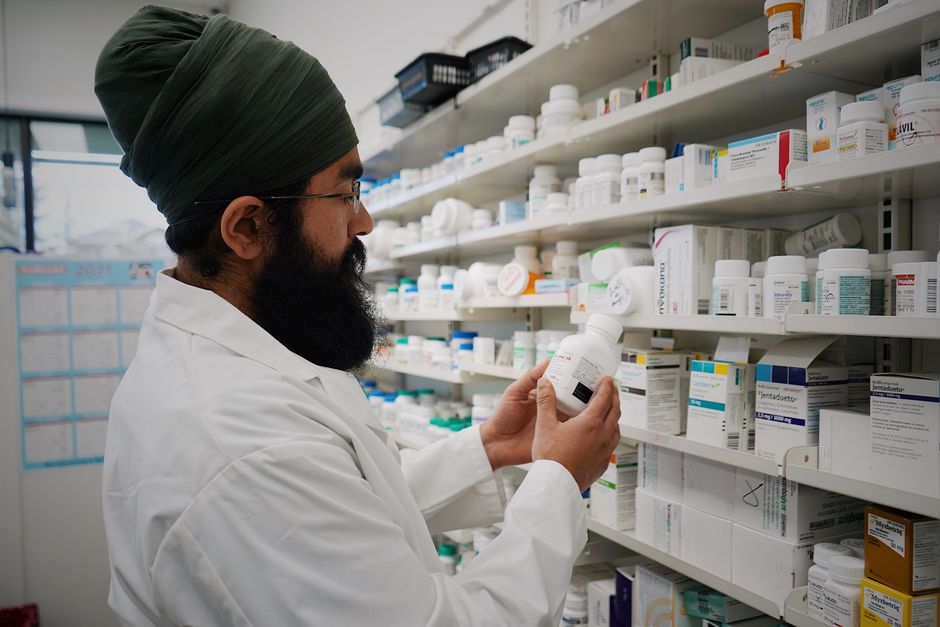
The federal government has announced it will freeze the maximum price of most Pharmaceutical Benefits Scheme medicines at $25 until the end of the decade, extending relief to millions of Australians facing mounting cost-of-living pressures. Prime Minister Anthony Albanese confirmed the policy on Monday, while warning that the measure was among only "limited" cost-of-living relief the government planned to deliver to households.
What the PBS price freeze means for patients
Under the plan, the PBS co-payment for general patients will be locked at $25 until 2030, shielding them from the annual inflation-linked increases that would otherwise push the price higher over time. The move will cost the federal budget an additional $242 million over three years and requires new legislation, which the government says it will introduce swiftly.
The freeze effectively brings general patients closer in line with concession card holders, whose maximum PBS prescription price of $7.70 is already frozen until 2030. Health Minister Mark Butler said the government had been determined to ensure that every Australian could access the basic healthcare they needed, regardless of their financial situation.
"We have been determined to ensure that every Australian can access the basic health care that they need, rather than checking their wallet and seeing what they can afford," Butler said.
The PBS co-payment is ordinarily indexed to inflation each year, meaning patients face creeping cost increases over time without government intervention. By legislating a freeze, the government removes that automatic rise for the remainder of the decade.
Labor's track record on PBS pricing
Cheaper PBS medicines have been a cornerstone of Labor's cost-of-living strategy across two consecutive election campaigns. Ahead of the 2022 federal election, the party announced it would cut the PBS price for most medicines from $42.50 to $30. In 2025, Labor went further, pledging to reduce the price to $25, at a cost of $690 million over four years. The latest announcement extends that $25 price point through to 2030, rather than lowering it further.
Albanese has consistently argued that keeping medicines affordable reduces pressure on the broader health system and does not drive inflation, making it one of the more politically safe forms of cost-of-living assistance the government can offer. Treasurer Jim Chalmers had flagged last week that cheaper medicines and expanded bulk billing were among the relief measures under active consideration as the government worked to balance the budget while still supporting households.
Survey reveals the scale of healthcare avoidance in Australia
The announcement came on the same day a large national consumer survey painted a stark picture of healthcare access in Australia. The Consumers Health Forum of Australia released findings from a survey of more than 5,000 adults, showing that almost half of Australian adults went without some form of healthcare in the past 12 months because they could not afford it.
Among those who skipped care due to cost, more than two thirds avoided seeing a dentist, close to half did not fill a prescription, and a third did not see a doctor. The survey described healthcare decisions being weighed against rent, groceries and other essential expenses.
Consumers Health Forum chief executive Elizabeth Deveny said the findings revealed a health system increasingly divided along financial lines. "We have a health system where there are the haves and the have-nots. The gap between them is where people are getting hurt," she said. "Healthcare decisions are made at the kitchen table and weighed against rent, groceries and everything else due that week. For a lot of people, choices are becoming impossible."
Dental care emerged as a particular pressure point, identified as the most expensive health service. Close to six in ten respondents had delayed or avoided dental care, with reported consequences including pain, difficulty eating and tooth loss. Nine in ten survey participants said dental care should be considered part of Medicare and at least partially subsidised.
Despite the widespread concerns about access and affordability, 81 per cent of respondents who had received healthcare said they were satisfied with the quality of care they received. The survey also found that experiences were shaped not only by cost but by whether services were accessible and culturally appropriate.
Industry support and what comes next
The Pharmacy Guild of Australia's national president, Professor Trent Twomey, backed the freeze, saying it would help millions of Australians who were being forced to choose between essential medications and other family expenses. "People can delay a holiday or a new television, but they should never have to delay treatment for diabetes, asthma or high blood pressure because the family budget does not stretch far enough," he said.
The PBS currently subsidises more than 900 prescription medicines, with an independent body determining which treatments qualify for listing on the scheme. The government says it will move quickly to legislate the extended price cap, cementing the $25 maximum as the floor for general patients through to 2030.
As pressure on household budgets remains a central political concern, broader changes to how Australians access and experience the healthcare system continue to evolve, with affordability emerging as the defining challenge for health policy in the years ahead.