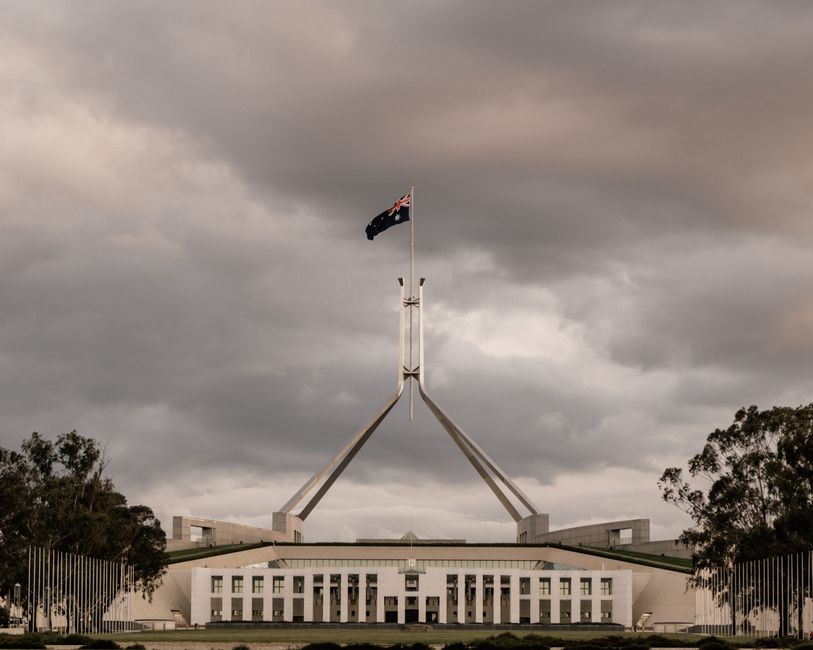
Parents who lost children to suicide linked to online harm will front a Senate inquiry on Friday, urging the federal government to pass legislation strengthening Australia's under-16s social media ban without delay. The hearing at Parliament House will bring together industry experts, advocates and some of the world's largest social media platforms as pressure mounts over compliance with the landmark law.
What the Senate Inquiry Will Examine
Australia's social media ban for under-16s officially came into force on 10 December 2025, applying to ten platforms including Facebook, Instagram, TikTok, Snapchat and X. The law is widely regarded as among the most significant of its kind globally — for context on how it fits within the broader international landscape, see this overview of online age verification laws by country.
A March review by eSafety Commissioner Julie Inman Grant raised serious concerns that some platforms had failed to take reasonable steps to uphold the ban's requirements. In response, Labor introduced legislation to double financial penalties for platforms that breach age restrictions and to expand the eSafety Commissioner's powers to investigate non-compliance. Friday's inquiry will scrutinise those proposed changes.
Parents Demand Action After Personal Tragedies
Two mothers, Mia Bannister and Emma Mason, will appear before the inquiry to call for the legislation to be passed without unnecessary delay. Both women lost children to suicide, which they say was driven by online bullying and harmful content circulating on social media platforms.
"Ultimately, this inquiry is not simply about strengthening regulatory powers," Bannister and Mason said in a joint statement. "It is about ensuring that the protections parliament has already promised Australian children can be meaningfully delivered."
The pair have also called for lived experience and independent research to be embedded in future policy development, arguing this is essential to maintaining Australia's standing as a world leader in social media regulation. Concerns about the impact of harmful online content on young Australians are not new — questions about whether Australian laws can stop the spread of suicide footage on TikTok have been raised previously.
Platforms Face Scrutiny — But Not All Are Co-operating
Four of the major platforms named under the ban will face questioning at Friday's hearing. Both YouTube and TikTok have used formal submissions to outline their compliance efforts and expressed willingness to work with the eSafety Commissioner as requirements evolve.
X, formerly Twitter, will not be providing live evidence at the inquiry. In its written submission, the platform argued that expectations to compel evidence were unrealistic, described the proposed increased penalties as "disproportionate and inappropriate", and warned that broadening the Commissioner's investigative powers could result in ordinary Australians being caught up in investigations.
Meta, the parent company of Facebook and Instagram, disclosed on Thursday that it had removed more than 750,000 accounts from its two platforms between December and June — 462,000 from Instagram and 294,000 from Facebook — as part of its efforts to meet the ban's requirements.
Broader Debate Over Digital Rights and Regulatory Approach
Not everyone appearing at Friday's inquiry supports the direction of the proposed amendments. Digital rights organisation Electronic Frontiers Australia has used the inquiry to renew its calls for the government to instead pursue a broader digital duty of care framework. The group's chair, John Pane, said he held no strong view on the specific proposals to enhance the Commissioner's powers but questioned the overall effectiveness of the eSafety office.
eSafety Commissioner Julie Inman Grant is also scheduled to give evidence at Friday's hearing, where she is expected to address the concerns raised in her March compliance update and the case for expanded regulatory tools.
If this story raises concerns, Kids Helpline can be reached on 1800 55 1800 (for people aged 5 to 25).