NSW homeowners have a shrinking window to lock in serious savings on home EV charging — and with the state government accelerating its electric vehicle rollout through 2025, the rebate landscape right now is more stacked in your favour than it has been at any previous point. If you haven't checked what's currently claimable, the combined value of state, federal, and local incentives may well cover more than half your total installation cost.
What the NSW EV Charger Install Rebate Actually Covers
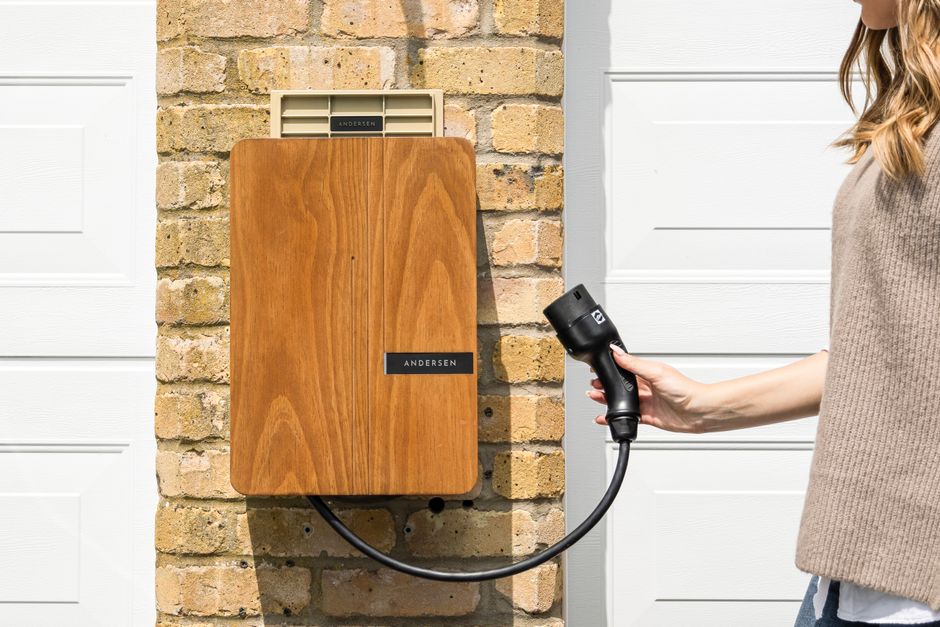
The NSW government's EV charger install rebate is designed to take a real bite out of the upfront cost of setting up a home charging station — one of the most common barriers stopping drivers from making the switch to electric. Under the current scheme, eligible homeowners can claim back a portion of both the hardware and the installation costs, meaning the rebate isn't just a token gesture toward the charger unit itself.
Here's a breakdown of what the rebate typically covers:
- Purchase of an eligible home EV charger (Level 2 AC chargers are the most commonly approved units)
- Labour costs for a licensed electrician to carry out the installation
- Switchboard upgrades in some cases, where the existing setup can't support a dedicated EV circuit
- Associated wiring and electrical materials required to bring the installation up to standard
It's worth noting that the rebate applies to permanent residential installations — portable plug-in adapters and temporary setups don't qualify. The property must also be the applicant's primary place of residence in most cases, which rules out investment properties unless specific conditions are met.
Australia's push mirrors a global trend. Government incentives for plug-in electric vehicles have become a cornerstone of clean transport policy in dozens of countries, and NSW is clearly positioning itself at the front of that pack domestically.
The rebate amount and exact scope can shift as the program evolves, so checking the current figures before you book an electrician is essential — which is exactly what the rest of this guide will walk you through.
Which Homeowners Qualify for the EV Charger Install Rebate
Not every NSW homeowner will automatically be eligible for an ev charger install rebate, and understanding the qualifying criteria upfront can save a lot of wasted time on paperwork. The current framework targets households that are most likely to benefit from the transition to electric vehicles, while also prioritising those in greatest need of financial support.
Based on the latest guidelines from the NSW Government's Electric Vehicle Strategy, eligibility for residential EV charging incentives generally hinges on several key factors:
- Owner-occupiers only: Renters and tenants are not eligible under most current grant streams. You must own and occupy the property where the charger will be installed.
- Current EV ownership: Most rebate programs require applicants to already own or have placed an order for a registered battery electric vehicle (BEV) or plug-in hybrid (PHEV).
- Property type: Freestanding homes and townhouses generally qualify. Apartments and strata properties fall under a separate — and more complex — approval pathway.
- Licensed installer requirement: The charger must be installed by a licensed Level 2 electrician. DIY installations are not eligible for rebate claims.
- Income thresholds: Some targeted grant programs include a household income cap, designed to direct funding toward low-to-middle income earners rather than high-income households.
Strata and Regional Residents: Where Things Get Complicated
Apartment owners in strata schemes face additional hurdles, typically requiring body corporate approval before any installation can proceed — let alone a rebate application. Meanwhile, regional NSW homeowners may access slightly different funding streams through council-level programs that run alongside the state initiative.
If you're unsure whether your property or circumstances fit the current criteria, the eligibility details are more nuanced than a simple checklist suggests.
How Much Money Is on the Table for an EV Charger Install Rebate in 2025
For NSW homeowners weighing up the cost of going electric, the 2025 rebate landscape is more generous than many realise. The state government's push to hit its net-zero targets has translated into real dollars — and understanding exactly what's available could save you thousands before you even plug in for the first time.
Here's a breakdown of the key financial incentives currently on offer:
- NSW EV Charger Rebate (Homes and Business Program): Eligible homeowners can claim up to $1,000 toward the purchase and installation of a registered home EV charging unit.
- Federal Government incentives: Under the updated Fringe Benefits Tax exemptions and the Treasury's clean energy provisions, employees purchasing EVs through salary packaging arrangements may see indirect savings that effectively subsidise charger infrastructure costs at home.
- Energy bill relief stacking: Some eligible households can combine the charger rebate with existing NSW household energy bill relief, potentially unlocking over $1,500 in combined support depending on circumstances.
- Local council grants: Several greater Sydney councils have quietly introduced micro-grants between $200 and $500 for sustainable home upgrades, including EV charger installations — worth checking with your local authority.
The numbers add up quickly, but the catch is eligibility. Income thresholds, property type, and the specific charger brand or installer you use can all affect what you receive. For a full rundown of qualifying criteria and a step-by-step application guide, the team at EV Install has published a detailed NSW rebates and grants resource that cuts through the government jargon.
This is a fast-moving policy space — much like the business and finance stories we cover regularly here at Break News — so checking current figures before lodging any application is strongly advised. Deadlines shift, funding pools close, and what applied in early 2025 may already have updated terms by the time you read this.
Pairing Your EV Charger With Solar: A Smarter Long-Term Play
One angle many homeowners overlook is the compounding benefit of combining a home EV charger installation with an existing or new rooftop solar system. NSW households with solar panels can schedule overnight or off-peak charging to draw from stored battery energy rather than the grid, dramatically cutting the per-kilometre fuel cost of running an electric vehicle. When a solar battery system is also in place, some households report charging costs that approach near-zero on days of strong generation. From a rebate perspective, this matters too: certain NSW energy programs assess solar integration as part of a holistic home energy upgrade, which can unlock additional support or streamline approval for multiple incentives in a single application. If you're already planning a solar upgrade or have panels sitting idle, coordinating both projects with a single licensed electrician — who can assess your switchboard capacity across both systems — can reduce labour costs significantly and simplify the paperwork. It's a combination worth modelling before you commit to either upgrade in isolation.
How to Apply for Your EV Charger Install Rebate Before Funding Runs Out
If you've been sitting on the fence about home charging, now is the time to act. The EV charger install rebate programs currently on offer in NSW are popular, and history shows that government energy incentives rarely last as long as homeowners expect. Here's how to move quickly without making costly mistakes.
- Check your eligibility first. Before contacting an installer, confirm you meet the income thresholds, property type requirements, and grid-connection conditions tied to the specific rebate you're targeting. Applying without meeting criteria wastes everyone's time.
- Use only approved installers. Most NSW rebate schemes require work to be carried out by a certified electrician who is registered with the relevant program. Ask your installer directly whether they are accredited before signing any contract.
- Gather your documents early. You'll typically need proof of address, a recent electricity bill, vehicle registration confirming your EV, and quotes from licensed tradespeople. Having these ready speeds up your application considerably.
- Submit before the financial year deadline. Funding pools are allocated annually. Applications submitted close to the cut-off face the highest risk of missing out if the allocation is exhausted mid-assessment.
- Don't pay upfront if a rebate covers the cost. Some schemes offer point-of-sale discounts applied directly by the installer rather than reimbursements. Clarify the payment structure before work begins.
Where to Find the Full Eligibility Guide
The NSW Government's official Energy Saver website holds the most current program details, income thresholds, and application portals. Cross-referencing that with a dedicated eligibility guide will give you the clearest picture of exactly what you qualify for before committing to any purchase.
NSW homeowners have a genuinely rare window right now — stacking state rebates, federal incentives, and falling hardware costs means installing a home EV charger has never been more affordable. The programs outlined here are live today, but demand is rising fast. Do the eligibility checks, line up a certified installer, and get your application in while the funding is still there.