Russia has unleashed one of its most devastating attacks on Kyiv in months, hammering the Ukrainian capital with an 11-hour barrage of missiles and drones that killed at least 25 civilians and wounded more than 90 others. The assault, which thundered through the night into the early hours of Thursday, was described by Ukraine's Foreign Minister as a "night of horror" — and by Moscow as retaliation for Ukrainian long-range strikes on Russian oil infrastructure.
The Scale of the Kyiv Attack
Ukraine's air force confirmed that Russia fired 74 missiles — including 24 ballistic missiles — and 496 drones of various types during the assault. Loud explosions reverberated across the capital for hours, sending residents scrambling to shelter in subway stations as air raid warnings blared through the city.
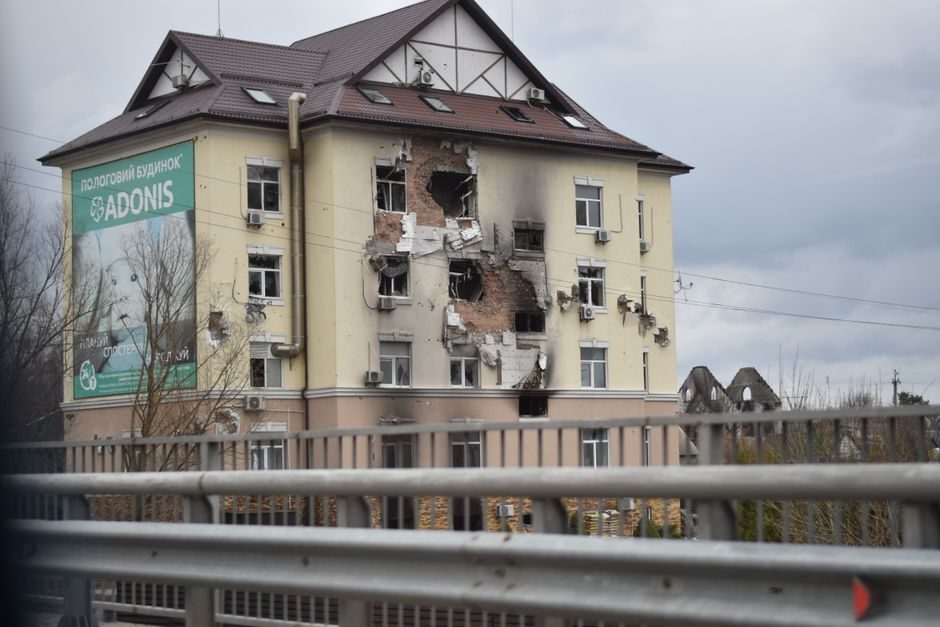
Emergency crews worked through the night and into dawn searching rubble for survivors. Damage was recorded at 30 separate locations across Kyiv, with around 20 residential buildings affected, according to Interior Minister Ihor Klymenko. In the Desnianskyi district, residents were trapped inside a stricken nine-storey building, while six floors of another nine-storey block collapsed entirely in the Darnytskyi district.
A fire also broke out on the roof of a 16-storey apartment building during the bombardment. Kyiv mayor Vitali Klitschko confirmed the injury toll of more than 90 people, while the State Emergency Service of Ukraine put the death toll in the city at 25.
The attack's reach extended beyond the capital. In the central Dnipropetrovsk region, a Russian guided bomb strike killed a seven-year-old girl and wounded four other members of the same family, including an 11-year-old girl, according to the regional head.
Moscow Claims Retaliation for Ukrainian Strikes
The Kremlin framed the assault as a direct response to Ukraine's intensifying campaign against Russian energy infrastructure. Russia's defence ministry said the strike used high-precision long-range weapons and drones, targeting what it described as military industry facilities, fuel and energy complexes in Kyiv and surrounding areas, and military airfield infrastructure across four other regions.
Kremlin spokesman Dmitry Peskov stated that Russia's General Staff chief, General Valery Gerasimov, personally reported the results of what he called a "massive retaliatory strike" to President Vladimir Putin. Peskov insisted the bombardment had been directed exclusively at military or military-linked targets — a claim that sits in stark contrast to the widespread destruction of residential buildings across Kyiv.
Ukraine, for its part, has been conducting what President Volodymyr Zelensky has described as a 40-day blitz of long-range strikes, with oil refineries a primary target. Those attacks have contributed to fuel shortages inside Russia and placed growing domestic pressure on Putin, more than four years into Moscow's full-scale invasion of Ukraine.
Ukraine Urges Faster Weapons Deliveries
Foreign Minister Andrii Sybiha rejected any suggestion that Russia's attack could be justified as retaliation, arguing that Ukraine was exercising its legitimate right to self-defence under Article 51 of the United Nations Charter, while Russia remained the aggressor.
Sybiha used the attack to renew calls for allied nations to accelerate decisions on supplying air defence systems and missiles to Ukraine, warning that delays were costing civilian lives.
Ukrainian officials have consistently argued that the long-range strikes are designed to pressure Putin into genuine peace negotiations. However, diplomatic efforts — including the most recent initiative from the Trump administration — have so far failed to produce any tangible outcome, with both sides continuing to signal further escalation. For more on how the conflict has developed, see our coverage of Russia's strike on Kyiv and both sides' vows of further escalation.
As Thursday morning broke over a battered Kyiv, emergency teams continued to dig through the wreckage of collapsed and burnt-out apartment buildings — a grim reminder that civilian areas remain at the centre of Russia's aerial campaign, regardless of Moscow's stated targeting justifications.