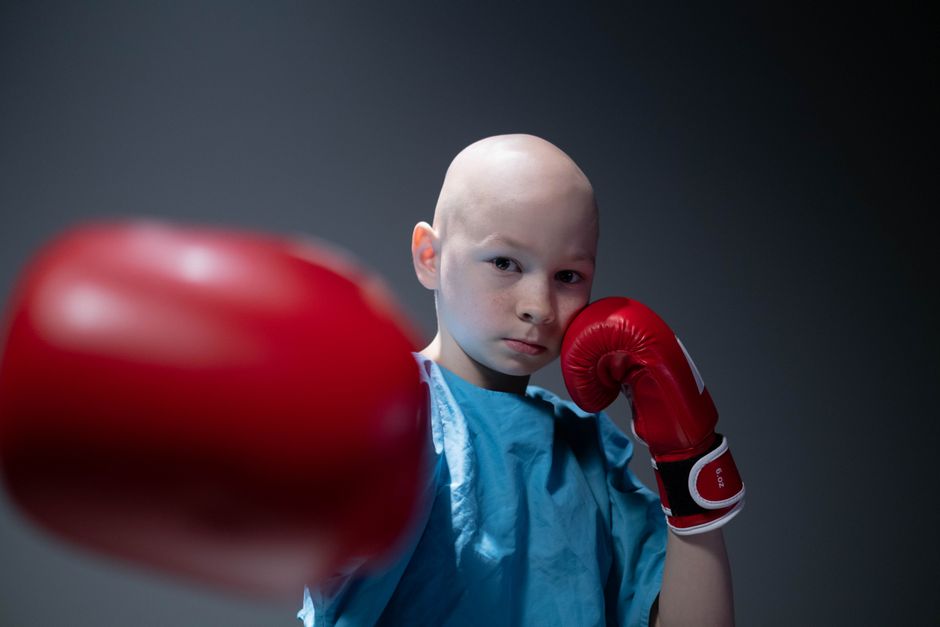
Australian researchers are pushing to develop new cancer treatments for children that are just as effective as current therapies but far less damaging to young bodies, as more than two in three childhood cancer survivors are left with permanent health consequences from treatments originally designed for adults.
More than 1,000 children are diagnosed with cancer in Australia every year, and while survival rates have improved significantly — now exceeding 80 per cent — the treatments keeping those children alive are exacting a serious toll. Approximately two in three survivors live with long-term health effects stemming from chemotherapy and radiation regimens that were developed with adult patients in mind.
Children paying a lifelong price for surviving cancer
The human cost of these outdated approaches is felt deeply by families across the country. Wyatt was just three years old when he was diagnosed with leukaemia. Two years of treatment saved his life — but left him permanently deaf in one ear. His mother, Jessica Dickinson, described the anguish of administering treatment to a child too young to understand why.
"They don't want them," she said. "They fight you. They kick and scream and you know that you have no choice. Because you need to give it to them to give them a chance to stay alive."
Theodore's story is equally harrowing. He fell critically ill at just two years of age and spent 800 days fighting the disease. His mother, Ebony Brouwer, did not mince words about what that journey looked like.
"Our kids are pumped with poison that was designed for adults and their bodies are just put through absolute hell," she said.
Professor Louis Chesler from the Children's Cancer Institute said the fundamental problem is that medicine has been slow to move beyond treatments never intended for children in the first place.
"Children are not young adults," he said. "These drugs are toxic and they do damage to children. Damage that is lifelong."
For those wanting a broader understanding of how cancer treatment has evolved over decades, the history of the field underscores just how adult-centred much of the foundational research has been — and why paediatric-specific approaches are now considered urgently overdue.
A new generation of precision therapies on the horizon
Researchers are now focusing on a new wave of treatments designed to target cancer cells far more precisely while sparing the surrounding healthy tissue that current therapies so often destroy. The next frontier includes immunotherapy, cellular therapies and cancer vaccines — approaches that harness or enhance the body's own immune system rather than battering it with broad-spectrum toxic agents.
Unlike traditional chemotherapy, which attacks rapidly dividing cells indiscriminately, these emerging treatments aim to identify and destroy cancer cells specifically, reducing the collateral damage that leads to hearing loss, developmental delays, organ damage and other complications that survivors currently carry for life.
The development is being closely watched by families and clinicians alike, particularly those who have already seen children suffer lasting harm — a concern shared across the wider cancer community, including those affected by sarcoma diagnosis, a deadly cancer that survivors say is easy to miss.
Federal government commits $5 million to bring cutting-edge trials to Australia
In a significant boost for Australian families, the federal government has announced a $5 million investment to bring international CAR-T cell therapy trials to Australian shores. CAR-T — or chimeric antigen receptor T-cell therapy — is among the most promising forms of immunotherapy currently being studied worldwide, involving the modification of a patient's own immune cells to seek out and attack cancer.
Until now, Australian children seeking access to such trials have often faced the prospect of travelling overseas. The new funding is designed to change that, giving more young patients access to cutting-edge treatment closer to home and within their own healthcare system.
Professor Chesler expressed optimism about the direction the field is heading, and about what it could mean for children diagnosed with cancer in the years ahead.
"It's a tremendous time for cancer research and for clinical medicine and for the care of children," he said. "We think all children should have a long and healthy life."
What comes next for childhood cancer research
The convergence of improved survival rates, growing awareness of treatment toxicity and rapid advances in precision medicine has created a moment of genuine momentum in paediatric cancer research. The challenge now is translating laboratory and clinical trial breakthroughs into standard care — ensuring that the children who survive cancer are not left to manage a second burden of lifelong health complications.
For families like Wyatt's and Theodore's, the hope is that future generations of children will not have to face the same impossible trade-off: survival at the cost of permanent damage. Researchers say the tools to change that equation may finally be within reach.