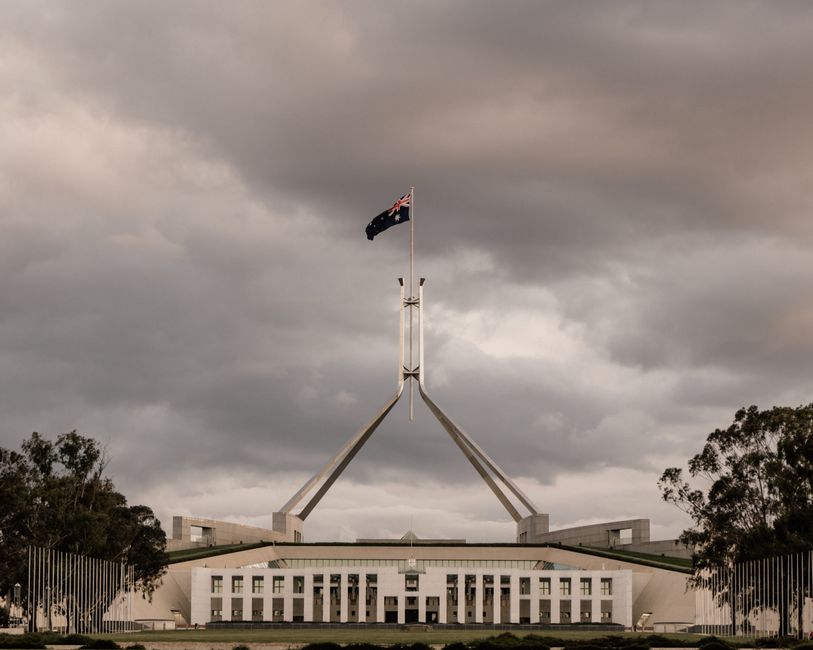
Australia's landmark overhaul of the National Disability Insurance Scheme passed parliament on Wednesday, with Health and Disability Minister Mark Butler immediately warning that federal and state governments face an urgent and substantial workload to ensure replacement support systems are ready before stricter eligibility rules take effect in 2028. The legislation, which will remove an estimated 240,000 people from the scheme, cleared the Senate on Tuesday night with 28 votes in favour and 12 against, before returning to the House on Wednesday afternoon for final passage.
What the NDIS Reforms Actually Mean
The legislation is designed to restrict NDIS eligibility to Australians with permanent and profound impairments, while also tightening provider registration requirements and introducing stronger anti-fraud and integrity measures. Among the last-minute changes tabled just hours before the Senate vote — 63 amendments in total — is a new right for severely disabled Australians requiring constant care to appeal ministerial decisions affecting their funding. Participants will also be able to request variations to specific sections of their plans, including assistance with daily living.
However, community and social participation funding — which advocates say is critical for helping people with disability access friends, medical appointments and employment — is not included in the appeal rights and is set to be cut significantly. From October, participants whose plans are up for renewal will face an average 50 per cent reduction in those budget allocations, a measure the government is relying on to drive down costs quickly.
Enhanced penalties for providers who benefit from kickbacks are also part of the package, along with whistleblower protections. NDIS Minister Jenny McAllister outlined that tough new aggravated integrity offences would apply, including obtaining funds by deception and providing false or misleading information.
The government has projected the changes will save $37 billion over four years and $150 billion over a decade.
The Political Deal That Got It Across the Line
The bill's passage was secured through a deal struck with the Coalition, which agreed to support the legislation in exchange for the government removing a so-called "widow tax" from its budget reforms. That loophole, if left open, would have caused divorcees and widows to lose negative gearing entitlements on investment properties. Pressure to resolve the issue had intensified after independent senator David Pocock revealed he had been contacted by a domestic violence survivor who said she had been denied financing on a property because of the loophole.
Greens disability spokesperson Senator Jordon Steele-John, who lives with a disability, was scathing about the arrangement. "Labor and the Liberals got together in a room, and they decided to strip us of our rights, regardless of our safety and dignity," he said, arguing that disabled Australians had been made a political football in an unrelated budget negotiation.
Disability Community's Stark Warning
The passage of the laws drew an immediate and emotional response from People with Disability Australia, the national peak body, which described it as "a devastating day" for the country's disability community.
"People with disability in their thousands provided evidence of what these changes would mean for our lives. We warned about the harm, the injuries, the lost opportunities and lives. Parliament chose to proceed anyway," said acting chief executive Megan Spindler-Smith.
Spindler-Smith was particularly critical of the timeline for building alternative supports, pointing out that those systems do not currently exist and that states and territories have made clear they will not offer like-for-like replacements. "We need to know what will actually be there, when they'll be up and running and how they will replace the 94 million hours of paid care that are being taken away," she said.
For participants and families navigating what these changes mean in practice, understanding the NDIS guidelines and what participants need to know has never been more important.
What Comes Next: The Race to Build New Systems
With the bill now law, Butler has flagged that governments have approximately 16 months to get a program for older children and teenagers off the ground before the new eligibility rules begin in January 2028. He pointed to the emerging "Thriving Teens" concept — modelled on the existing Thriving Kids initiative — as one priority area, noting that high school principals had repeatedly raised the need for such a program.
Most state governments already have implementation plans in place to begin rolling out the Thriving Kids scheme — targeting children under nine with developmental delays and autism — from October this year, with Queensland the notable exception. Full rollout is due by the start of 2028.
Butler acknowledged the scale of what lies ahead. "I don't gild the lily here. That is a lot of work for all governments," he said, adding that formal discussions with states about the broader suite of new systems would begin "very shortly." He said lessons learned from the Thriving Kids process would help accelerate the design of supports for older cohorts.
New NDIS eligibility assessments are already being designed by federal officials and are expected to come into effect in January 2028. The role of NDIS support providers in meeting health needs will also come under fresh scrutiny as the system reshapes around a narrower participant base.
Whether the government can deliver on that timeline — and whether the replacement systems will be adequate — remains deeply contested, with disability advocates vowing to continue pushing for answers on what supports will actually exist for the hundreds of thousands of Australians set to leave the scheme.