Australia's medical device regulator is operating with roughly half the staff it budgeted for, even as it braces for a tenfold surge in problem reports from hospitals — raising serious questions about whether the country's safety net for 1.4 million medical devices in use can cope.
The Therapeutic Goods Administration, which oversees the safety and effectiveness of hundreds of thousands of medical devices used across the country, has been operating well below its planned workforce levels. A document obtained under Freedom of Information reveals that in 2024, the TGA's adverse event monitoring team was running at approximately 50 per cent of its allocated full-time staff equivalents — and was struggling to fill vacant positions.
A system under pressure before the surge even began
The staffing shortfall is particularly alarming given that a mandatory reporting regime for hospitals commenced in March this year, which the TGA had anticipated could drive adverse event reports up by as much as tenfold. Internal estimates suggest managing the seven most labour-intensive steps of processing those reports could require up to 150 additional staff members. Without significant upgrades to the agency's IT infrastructure, the cost of screening the extra reports could reach $15.8 million per year.
The federal government, it is understood, declined to approve additional funding to help the regulator handle the expected increase, despite internal warnings that the TGA was already under-resourced.
Sources with direct knowledge of the process say the agency's approach to most reports is minimal. "The TGA usually does not do much investigation at all. They include it in the database. It is logged just in case it becomes very frequent," one person said, speaking anonymously to avoid professional reprisal.
Between 2019 and 2023, the TGA received 37,540 adverse event reports — yet formally investigated just 4.2 per cent of them.
IT failures compounding the medical device monitoring crisis
A separate 2025 internal TGA presentation paints a troubling picture of the technology underpinning the regulator's surveillance work. Staff reported that the system goes down approximately once a week, that processing a single adverse event report takes a minimum of 85 minutes, and that the software is incapable of automatically alerting investigators to emerging trends in injuries or deaths.
The presentation also flagged that the agency relies on several legacy databases that do not communicate with each other, and that each report requires a large number of manual steps to enter. The regulator acknowledged that "missing information and underreporting lead to difficulties with using adverse event data, and limit its reliability", and that the usability of the data was hampering the ability of teams to act on it.
Crucially, the documents state that existing systems "lack the functionality to alert teams of trends and risk factors to inform targeted work" — a fundamental gap in any effective post-market surveillance regime.
Loopholes in approvals add to patient safety concerns
The resourcing and technology failures come alongside broader concerns about the TGA's approvals process. Investigations have revealed significant loopholes that allow medical devices with little or no clinical evidence to be sold to patients in Australia. Once a device is approved, the post-market adverse event system is meant to serve as the critical backstop — catching problems that slip through before approval.
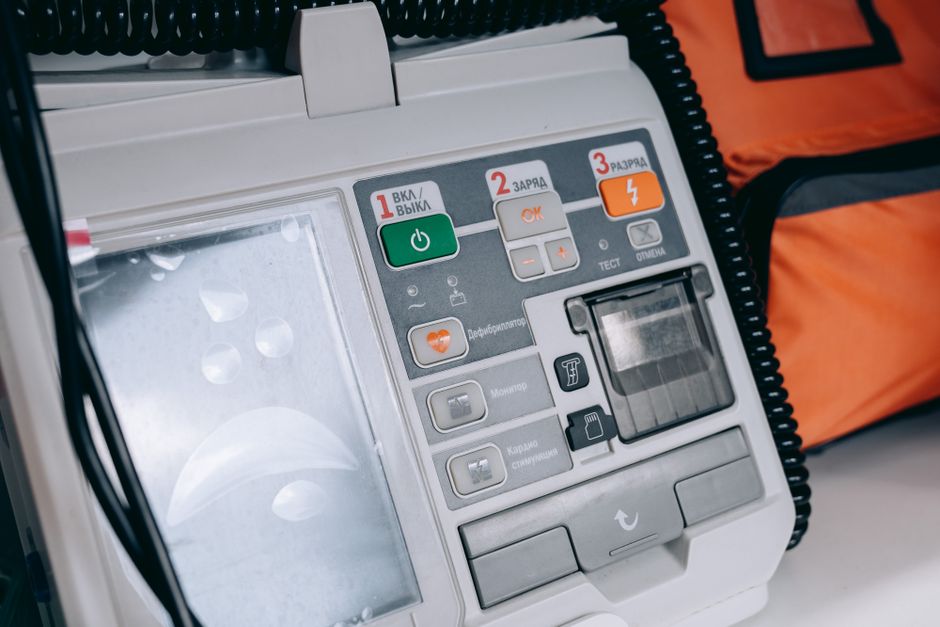
Devices scrutinised in recent reporting include a portable defibrillator, glucose monitors and spinal pain pump systems — all subjects of adverse event reports lodged with the TGA. Artificial intelligence tools were used to analyse thousands of these reports and identify patterns that the TGA's own systems reportedly cannot detect automatically.
For Australians navigating complex health and medical decisions, the revelations underscore just how much the integrity of regulatory oversight matters — and how far the current system may fall short of the standard patients deserve.