
The National Psychology Exam (NPE) is a critical step for provisional psychologists aiming for full registration. In this blog, we break down essential npe practice questions and share strategies to help you prepare effectively, cope with exam stress, and understand the exam structure.
Introduction to the NPE
The National Psychology Exam (NPE) is an essential milestone for provisional psychologists. It serves as a gateway to full registration, ensuring that candidates possess the necessary skills and knowledge to practice safely. Understanding the exam's significance is crucial for those embarking on their psychological careers.

Photo by Unseen Studio on Unsplash
Who Takes the NPE?
Primarily, the NPE is taken by individuals following the five plus one pathway, as well as those transitioning from overseas qualifications. It's also relevant for returning psychologists who have been out of practice for an extended period. This broad scope highlights the NPE's role in maintaining professional standards across diverse backgrounds.

Photo by Papaioannou Kostas on Unsplash
Understanding the Exam's Purpose
The NPE is designed to assess the core competencies required for safe and effective psychological practice. It evaluates candidates' understanding of essential principles, ethical considerations, and clinical knowledge. Passing the exam is a testament to a psychologist's preparedness to engage with clients responsibly.

Photo by Julia Taubitz on Unsplash
Exam Structure and Scoring
The structure of the NPE is meticulously crafted to test a wide range of competencies. Candidates can expect multiple-choice questions covering various psychological domains. The passing mark is set at seventy percent, but scoring is scaled based on cohort performance. This method ensures that the exam remains relevant and reflective of current professional standards.

Photo by Museums Victoria on Unsplash
The Cost of the NPE
Financial considerations are important when planning to take the NPE. The current cost ranges between four hundred to five hundred dollars per sitting. This expense can be significant for provisional psychologists, making it essential to budget accordingly.

Photo by Jakub Żerdzicki on Unsplash
Overall, understanding the NPE's framework, its purpose, and the associated costs is vital for effective preparation. As candidates approach the exam, focusing on targeted study resources, including npe practice questions, can enhance readiness and confidence.

Photo by Kelly Sikkema on Unsplash
Coping with Exam Anxiety
Exam anxiety is a common experience among candidates preparing for the NPE. It's essential to acknowledge these feelings and implement strategies to manage them effectively. Recognizing that anxiety is a normal reaction can help alleviate some of the pressure.

Photo by Jeswin Thomas on Unsplash
Understanding Your Anxiety
Understanding the root of your anxiety is the first step. Many candidates feel overwhelmed by the weight of expectations, both from themselves and others. This pressure can lead to a fear of failure, which is compounded by the significance of the NPE in your career.

Techniques to Manage Anxiety

Photo by Conscious Design on Unsplash
Preparation Strategies for the NPE
Effective preparation for the NPE involves a structured approach. By developing a comprehensive study plan, you can tackle the vast amount of material systematically.

Photo by Daian Gan on Unsplash
Creating a Study Schedule
Start by outlining a study schedule that covers all necessary topics. Allocate specific times for studying different domains of the curriculum. Consistency is key; aim to stick to your schedule as closely as possible.
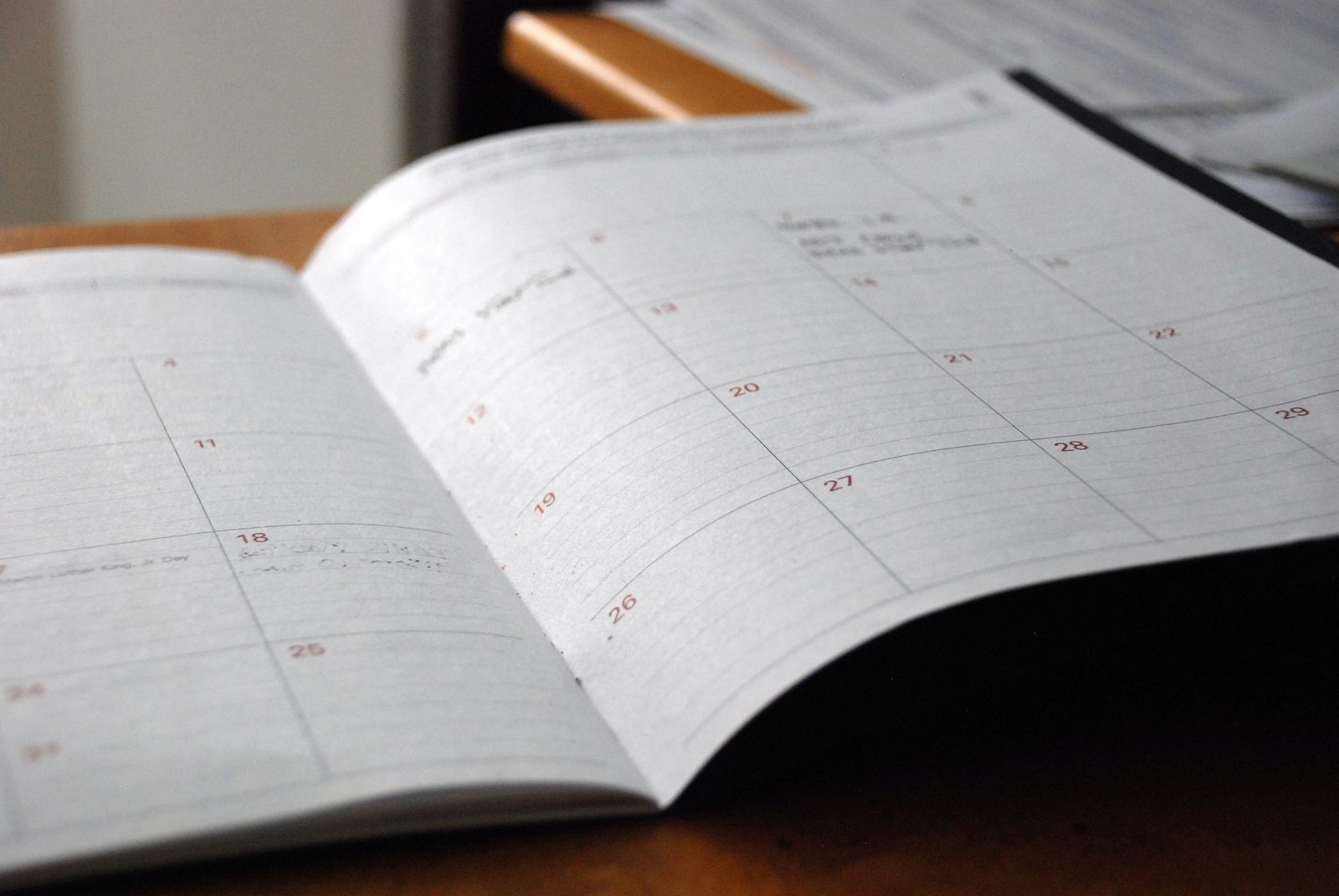
Photo by Eric Rothermel on Unsplash
Study Groups and Resources
Joining a study group can provide motivation and support. Collaborating with peers allows for the exchange of ideas and resources. Additionally, consider utilizing online platforms that offer practice tests and forums for discussion.

Importance of the Reading List
The reading list is a vital component of NPE preparation. It provides a roadmap of the essential materials you need to master.

Photo by Jilbert Ebrahimi on Unsplash
Utilizing the Reading List Effectively
Begin by thoroughly reviewing the reading list. Identify key texts that cover the core competencies outlined in the curriculum. Prioritize these readings to ensure a comprehensive understanding of the material.

Photo by Syd Wachs on Unsplash
Supplementing Your Reading
While the reading list is crucial, supplementing it with additional resources can enhance your understanding. Consider academic journals, online courses, and webinars to broaden your knowledge base.

Photo by Matheus Ferrero on Unsplash
Effective Learning Techniques
Adopting effective learning techniques can significantly improve retention and understanding of complex material.

Photo by Aaron Burden on Unsplash
Active Learning Strategies
Engage in active learning by summarizing key concepts in your own words. Teach the material to someone else to reinforce your understanding. This approach not only helps with retention but also builds confidence.

Photo by Scott Graham on Unsplash
Utilizing Visual Aids
Incorporate visual aids such as charts and diagrams to illustrate concepts. Visual learning can enhance comprehension and memory, making it easier to recall information during the exam.
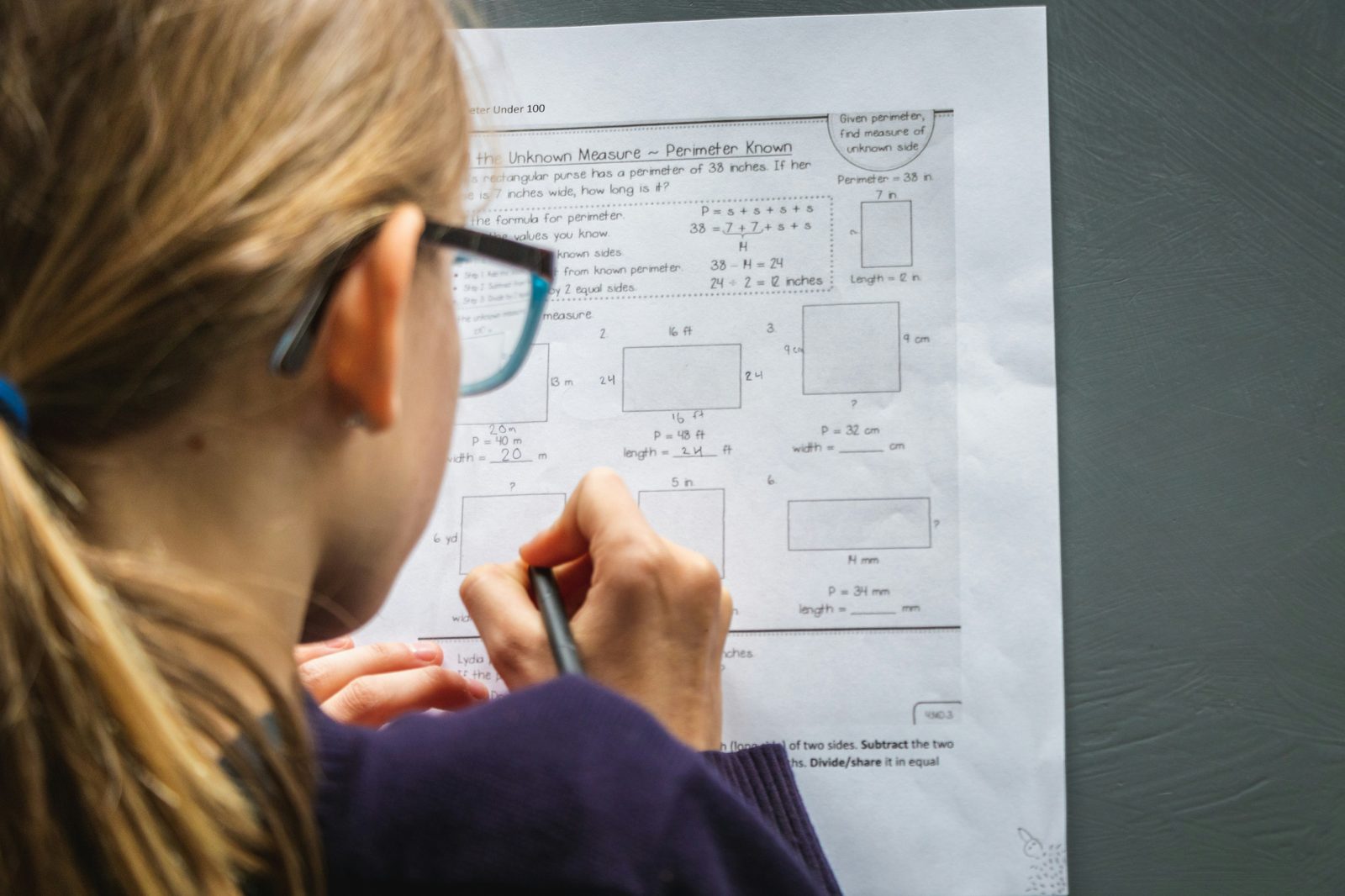
Photo by Greg Rosenke on Unsplash
Time Management Tips for Studying
Effective time management is crucial for balancing study commitments with personal life. Developing good habits can lead to more productive study sessions.
Photo by Pandu Aryantoro on Unsplash
Prioritizing Tasks
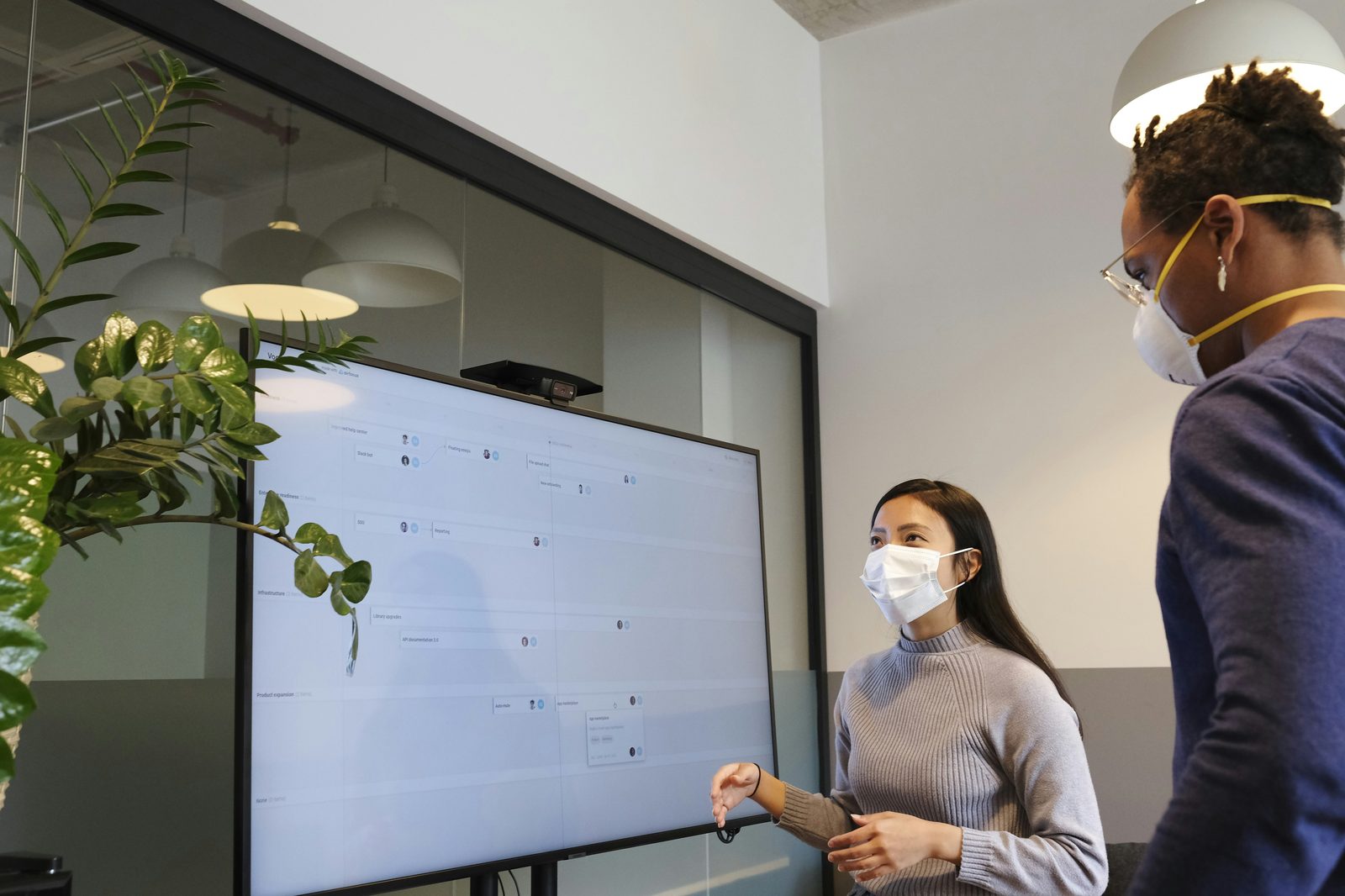
Identify your most important study tasks and prioritize them. Break down your study sessions into manageable chunks, focusing on one topic at a time to avoid feeling overwhelmed.
Setting Achievable Goals
Set specific, achievable goals for each study session. This will help maintain motivation and provide a sense of accomplishment as you progress through the material.

Photo by Marten Bjork on Unsplash
Incorporating these strategies into your NPE preparation can significantly enhance your readiness and confidence. Remember, preparation is not just about what you learn but also how you approach the learning process itself.
Get 5 Free Trial Questions for the NPE
Go to NationalPsychExamPrep.com.au
Seeking Support and Resources
As you prepare for the NPE, the importance of seeking support cannot be overstated. Whether through study groups, supervisors, or formal courses, having a support system can make a significant difference in your study experience.

Photo by Levi Guzman on Unsplash
Peer Study Groups
Joining a peer study group can provide accountability and create a collaborative learning environment. In these groups, members can review notes, discuss challenging concepts, and share resources. Engaging in discussions helps deepen understanding and retention of material.

Photo by Sincerely Media on Unsplash
Finding a Supervisor
Working closely with a supervisor who understands the NPE can be invaluable. Not all supervisors have the same level of expertise regarding the exam, so it’s essential to find someone who can guide you effectively. If your current supervisor isn’t equipped to help, consider seeking mentorship from another qualified professional.

Photo by Kenny Eliason on Unsplash
Exam Preparation Courses
Exam preparation courses can provide structured learning and targeted resources that align with the NPE curriculum. Look for courses that offer comprehensive coverage of all exam domains and include practice questions. This can help reinforce your knowledge and improve your test-taking strategies.

Photo by Nick Morrison on Unsplash
Exam Day Strategies
On exam day, having a clear strategy can help you manage time effectively and reduce anxiety. Knowing how to navigate the exam can make a significant difference in your performance.

Photo by freestocks on Unsplash
Time Management
With 150 questions to answer in a limited time, managing your time wisely is crucial. Allocate approximately one minute and thirty seconds for each question. If you find yourself stuck on a question, move on and come back to it later if time permits.

Understanding Question Types
Familiarize yourself with the different types of questions you may encounter. Identify whether a question is ethical, intervention-based, or assessment-focused. This understanding will guide your thought process and help you select the most appropriate answer.
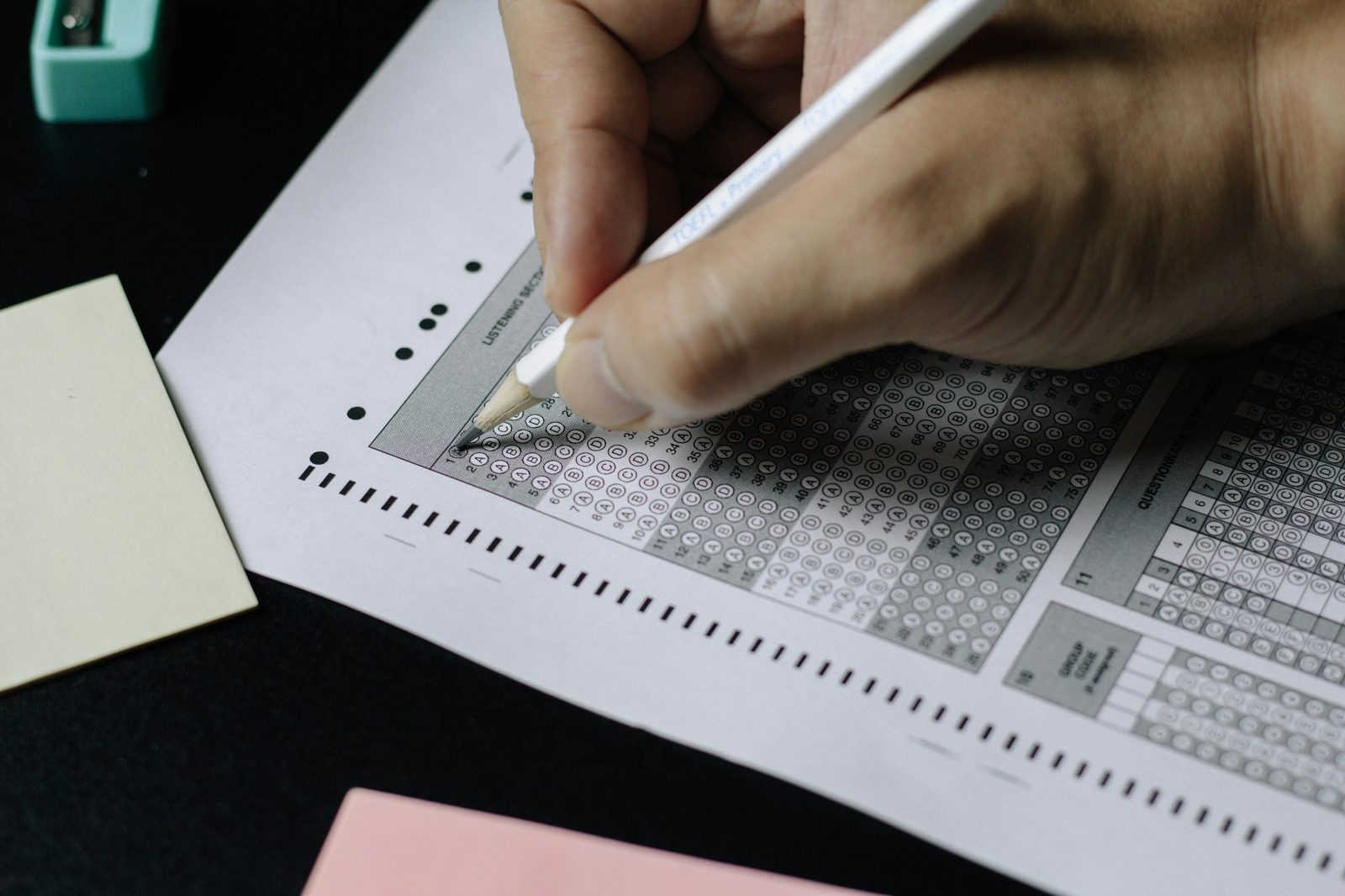
Photo by Nguyen Dang Hoang Nhu on Unsplash
Staying Focused
During the exam, stay focused on the question at hand. Avoid making assumptions beyond what the question states. Read each question carefully and ensure your answer is grounded in the information provided.

Photo by Alexander Grey on Unsplash
Addressing Failures and Resitting the Exam
Experiencing a failure in the NPE is not uncommon. It's essential to approach this experience with a growth mindset and view it as an opportunity for improvement.

Photo by Timur Isachenko on Unsplash
Reflecting on Results
After receiving your results, take time to reflect on your performance. Analyze the areas where you struggled and identify patterns in your answers. This reflection can guide your study focus for your next attempt.

Photo by National Cancer Institute on Unsplash
Adjusting Study Strategies
If you plan to resit the exam, consider altering your study strategies. Broaden your resources beyond a couple of textbooks and ensure you cover the entire reading list. Incorporate practice questions to familiarize yourself with the exam format.

Photo by Debby Hudson on Unsplash
Final Thoughts and Encouragement
Remember, the NPE is a challenging exam, but with the right preparation and mindset, success is achievable. Allow yourself the space to learn and grow from the experience, regardless of the outcome.

Photo by Dhafin Kumarajati on Unsplash
Emphasizing Self-Care
Throughout your preparation, prioritize self-care. Balancing study commitments with personal well-being is crucial. Ensure you take breaks, engage in activities you enjoy, and maintain a healthy lifestyle.

Photo by Bruno Nascimento on Unsplash
Frequently Asked Questions
As candidates prepare for the NPE, several common questions arise. Addressing these can help clarify the path ahead.

Photo by Miquel Parera on Unsplash
What should I focus on during my studies?
Prioritize the reading list and ensure you cover all core competencies. Incorporate practice questions into your study routine to assess your understanding and application of the material.

Photo by Chase Clark on Unsplash
How can I best manage exam anxiety?
Implement mindfulness practices, exercise regularly, and engage in positive self-talk. These strategies can help reduce anxiety and improve your focus during the exam.
What if I fail the exam again?
Failure can be disheartening, but it’s important to remember that many have faced similar challenges. Reflect on your performance, adjust your study strategies, and approach the next attempt with renewed determination.

Photo by David Wirzba on Unsplash
Where can I find credible resources for preparation?
Look for resources that align with the NPE curriculum. Seek out reputable courses, textbooks, and online platforms that provide structured learning and practice questions.
Photo by Aaron Burden on Unsplash
Preparing for the NPE requires diligence, effective strategies, and a supportive network. By following these guidelines and focusing on your personal learning style, you can navigate this journey successfully. Remember, you are not alone in this process, and with the right tools and mindset, you can achieve your goal of passing the NPE.