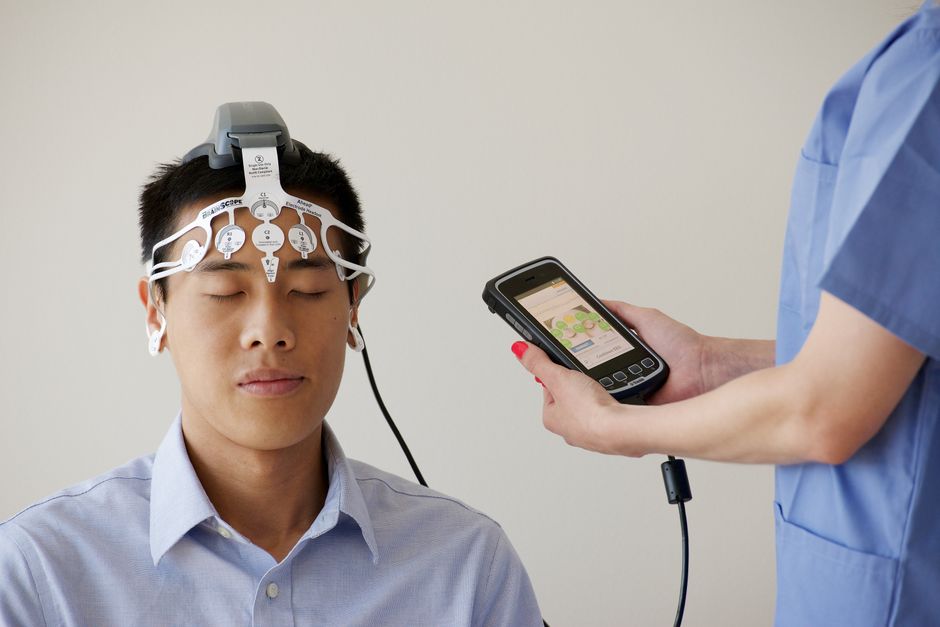
Macquarie University has launched Australia's first combined brain research institute and clinical facility, bringing together scientists and doctors in a single hub dedicated to fighting motor neurone disease (MND) — a terminal illness that kills around 800 Australians every year and for which there is still no effective cure.
The Brain Institute and Clinic opened its doors on Monday, with the explicit goal of dramatically cutting the time it takes for scientific breakthroughs to reach patients in the form of real treatments.
Bridging the gap between laboratory and patient
One of the core problems the new facility is designed to solve is the painfully slow journey from research discovery to clinical practice. Macquarie University's deputy vice-chancellor Patrick McNeil pointed out that, on average, it takes 17 years between a significant research finding and its implementation in a clinical setting.
"When you have integrated research and clinical institutions, that journey is shortened," McNeil said.
The institute will unite specialists across research and patient care under one roof, allowing findings to be tested and applied far more rapidly than in a traditional siloed model.
Dominic Rowe, who leads Macquarie's Neurology Clinic, was frank about the urgency of the situation. "We need to redouble our efforts into working out why so we can fix it," he said, pointedly rejecting the idea that patients simply "die" from the disease. "Motor neuron disease kills you," he said.
What is motor neurone disease and why are rates rising?
MND is a progressive neurological condition that attacks the parts of the brain and the neurons responsible for controlling muscles. As it advances, it causes increasing weakness and ultimately paralysis. It can affect adults at any age, and the majority of cases have no identifiable genetic cause.
While once considered rare, MND is becoming more common — a trend that researchers are working urgently to understand. McNeil noted that there have been anecdotal reports of geographic clusters, where cases appear more frequently in certain towns or regions than statistical probability would suggest.
"It would be good if the other states follow because that is the way that you can find if there is an environmental agent," he said.
That comment followed a significant regulatory development: earlier this month, New South Wales became the first jurisdiction in the world to make MND a notifiable disease, legally requiring medical professionals to report all cases to the government. McNeil said he hoped other states would adopt the same approach, as mandatory reporting would give researchers a much clearer picture of how and where the disease is spreading.
Beyond MND: Parkinson's and dementia also in focus
While motor neurone disease is the institute's primary focus, the Brain Institute and Clinic will also conduct research and deliver treatment for Parkinson's disease and dementia, including Alzheimer's disease.
Macquarie University professor James Burrell expressed cautious optimism, citing recent advances in dementia treatment as evidence that progress is possible across a range of neurodegenerative conditions.
"We now have disease-modifying therapies for this disease, and this gives me tremendous hope that we can identify disease-modifying therapies for other neurodegenerative diseases as well," Burrell said, referring to therapies that have been shown to slow the physical progression of Alzheimer's-related dementia.
What comes next
The launch marks a significant moment for neurological medicine in Australia, with advocates and clinicians hoping the integrated model will become a template for how the country approaches other complex, poorly understood diseases. Whether it can translate scientific promise into treatments fast enough to make a difference for the Australians currently living with MND remains the defining challenge ahead.
With NSW's notifiable disease framework now in place and a new generation of researchers working under one roof, those leading the institute say the conditions for a genuine breakthrough have never been better — but they are equally clear that urgency, not optimism alone, must drive what comes next.