Breast cancer survivor and media personality Lynette Bolton is urging Australian women not to put off health checks, after a major international report revealed the nation's women's health outcomes have deteriorated significantly over the past five years — slipping behind countries including the United States, Thailand and Serbia.
The findings come from the fifth annual Global Women's Health Index, which covers 97 per cent of the world's population. Australia received a score of just 59 out of 100, only five points above the global average and well short of top-ranked Taiwan, which scored 69.
Australia's health rankings in decline across the board
The index assesses women's health across five key areas: preventative care, emotional health, health and safety, basic needs and individual health. According to an Index spokesperson, not one of those dimensions has returned to the levels recorded when the study began in 2020.
Emotional health and access to basic needs were flagged as areas of particular concern, raising questions about whether Australia's healthcare system is adequately serving all women — especially those in regional and remote communities.
Among the most alarming findings was a sharp fall in cancer screening rates. Fewer than one in four Australian women reported having been tested for cancer in the past year — a significant drop from earlier results and a trend experts say demands urgent attention.
The spokesperson called for a united response to the crisis, saying government, industry and researchers must work together rather than in isolation, and that the focus must shift to measurable outcomes rather than mere activity.
Lynette Bolton: 'We might be having a very different conversation'
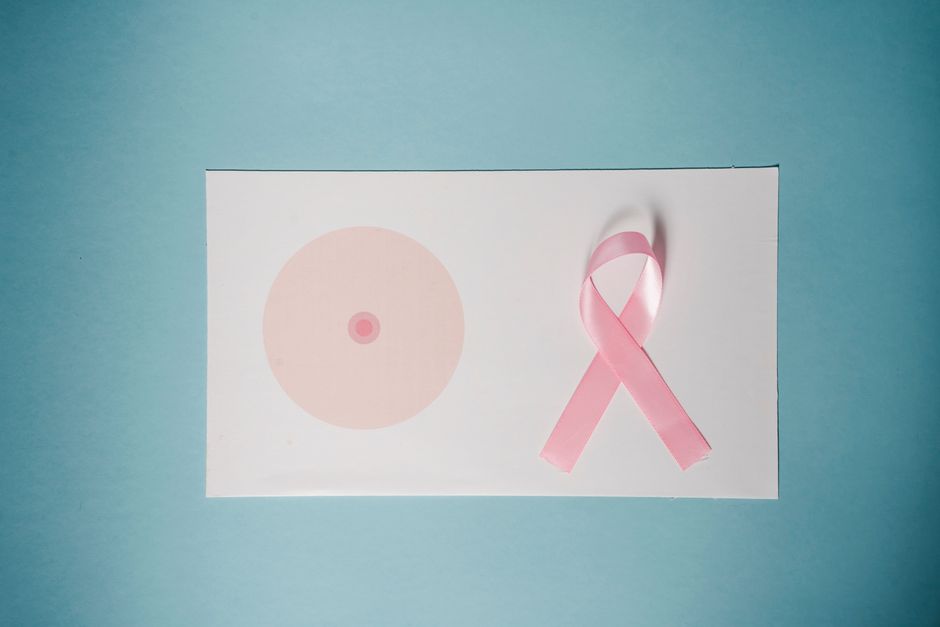
Bolton, who recently received the news that she is cancer-free, spoke candidly about the moment she discovered a lump in late November last year — and how close she came to doing nothing about it.
"When I found my lump at the end of November last year, I did for a hot minute say I will leave it until January and get through Christmas," she said.
She is grateful she acted immediately. Within 10 days of finding the lump, Bolton was diagnosed with triple-negative breast cancer — a particularly aggressive and fast-growing form of the disease. By the following year, she had already undergone three rounds of chemotherapy.
"If I had left it, we might be having a very different conversation right now as to how I'm feeling," she said.
Bolton's message to other women is straightforward and urgent: know your body, conduct regular self-checks, and never postpone a medical appointment you know you need.
"Please know your body, do your tests, do your monthly tests, know what is your normal," she said. "And then secondly, if something changes, if something does pop up or if you are due for a GP visit or you are due for a scan, please go and do it. It might seem like another to-do thing, but it could be the most important appointment you ever make."
Sharing the journey to help others
Throughout her treatment, Bolton documented her experience publicly on social media, describing the process as a form of "free therapy" — but also as a way of reaching other women navigating similar diagnoses.
"I really found that it was important to show people the real journey," she said, adding that she wanted to ensure women sitting in a chemotherapy chair, or feeling scared about seeking a diagnosis, knew they were not alone.
The report's findings and Bolton's story together point to a pressing need for Australian women to take preventative health seriously. With cancer screening rates falling and emotional wellbeing declining, health advocates are calling for a broader national focus on women's health needs — before the gap between Australia and the world's leaders widens further.