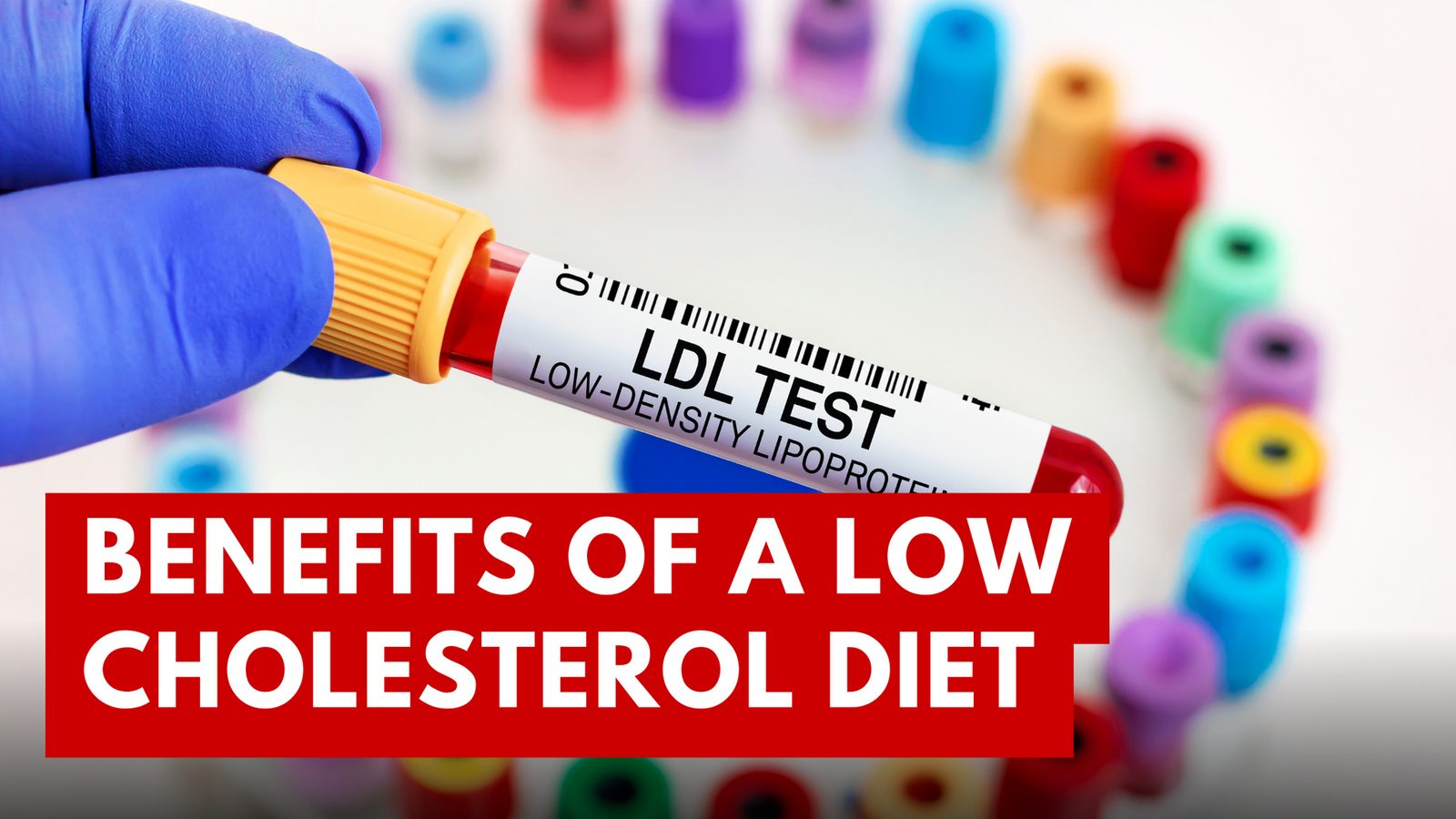
Understanding Cholesterol
Cholesterol is a fat-like substance essential for several bodily functions, including hormone production and cell membrane formation. However, not all cholesterol is created equal. There are two main types: LDL (low-density lipoprotein), often referred to as "bad" cholesterol, and HDL (high-density lipoprotein), known as "good" cholesterol.
"Cholesterol is both a friend and a foe; it supports our body's functions but can also pose significant health risks when levels are imbalanced."
LDL cholesterol contributes to the build-up of plaque in the arteries, increasing the risk of heart disease and stroke. Conversely, HDL cholesterol helps remove LDL cholesterol from the bloodstream, promoting heart health.
Maintaining healthy cholesterol levels is crucial, as high cholesterol affects over 95 million American adults, according to the CDC. Elevated levels can lead to serious health issues, such as coronary artery disease, heart attacks, and strokes.
Understanding these aspects of cholesterol is the first step towards managing it effectively. By recognizing its role in the body and the potential risks of high levels, we can make informed decisions, paving the way for healthier lifestyle choices.
Principles of a Low Cholesterol Diet
Adopting a low cholesterol diet is pivotal for managing cholesterol levels and enhancing overall health. The key components of such a diet focus on reducing the intake of foods that contribute to LDL cholesterol while embracing those that promote HDL cholesterol.
Foods to Avoid:
Saturated fats found in red meat and full-fat dairy products
Trans fats present in many processed and fried foods
High-cholesterol foods like organ meats and shellfish
Foods to Embrace:
Unsaturated fats from sources like olive oil, avocados, and nuts
Fruits and vegetables, which are rich in fiber and nutrients
Whole grains that support heart health
The following table illustrates the difference between high and low cholesterol foods:
High Cholesterol Foods
Low Cholesterol Foods
Bacon
Oats
Butter
Almonds
Cream
Spinach
By carefully selecting what to avoid and what to include in your diet, you can significantly impact your cholesterol levels. These dietary choices not only help manage cholesterol but also contribute to a healthier heart and overall well-being.
Practical Strategies for Implementation
Implementing a low cholesterol diet can be seamless with the right strategies. Here are some practical tips to get you started.
Meal Planning Tips:
Start by creating a weekly meal plan that incorporates a variety of fruits, vegetables, and whole grains.
Focus on lean proteins like fish and chicken, and try to include plant-based meals.
Prepare grocery lists based on your meal plan to avoid impulse purchases of high cholesterol foods.
Healthy Cooking Methods:
Opt for grilling, steaming, or baking instead of frying to reduce unhealthy fats. As a pull quote: "Grilling not only enhances flavor but also helps lower fat intake."
Reading Food Labels Effectively:
Understanding food labels is crucial. Look for products labeled with low saturated and trans fats. Pay attention to serving sizes and total cholesterol content. This knowledge empowers you to make informed choices.
These strategies, coupled with the right lifestyle changes, pave the way to effectively managing cholesterol levels and improving overall health.
The Role of Exercise
Unlocking the Power of Physical Activity
Exercise is a powerful tool in managing cholesterol levels. Regular physical activity has been shown to increase HDL (good) cholesterol and decrease LDL (bad) cholesterol. According to the American Heart Association, just 150 minutes of moderate aerobic exercise per week can significantly improve cholesterol profiles.
Choosing the Right Exercise
Not all exercises are created equal. Aerobic activities such as walking, jogging, swimming, and cycling are particularly effective. These exercises get your heart pumping and can help reduce cholesterol levels. Additionally, incorporating strength training exercises twice a week can enhance these benefits by building muscle, which also aids in cholesterol management.
Consistency is Key
For optimal results, aim for at least 30 minutes of moderate-intensity exercise, five days a week. Consistency is crucial; even short, daily activities can add up over time to create a significant impact on your cholesterol levels.
Incorporating regular exercise into your routine not only helps lower cholesterol but also contributes to overall well-being, reinforcing the benefits of a low cholesterol diet.
Other Lifestyle Factors
Adopting a low cholesterol diet is just one part of the equation. Other lifestyle changes can significantly impact cholesterol levels and overall health.
Weight Management is crucial. Losing just 5-10% of body weight can reduce LDL (bad) cholesterol levels, according to several studies. Maintaining a healthy weight through diet and exercise is key to long-term cholesterol management.
Stress Reduction also plays a pivotal role. Chronic stress can raise cholesterol levels as it prompts the body to produce more cholesterol. Embracing stress-reducing activities like yoga, meditation, or even a daily walk can make a difference.
Try deep breathing exercises to calm your mind.
Dedicate 10 minutes daily to meditation.
The Role of Smoking Cessation cannot be overstated. Smoking lowers HDL (good) cholesterol and damages blood vessels. Quitting smoking can improve HDL levels by up to 10% within a year.
Seek support groups for quitting smoking.
Consider nicotine replacement therapies.
Incorporating these lifestyle changes complements a low cholesterol diet, paving the way for improved health and well-being.
FAQs about Cholesterol Management
What are common misconceptions about cholesterol?
Many people believe all cholesterol is harmful, but the body needs cholesterol for essential functions. The key is to maintain healthy levels of LDL (bad) and HDL (good) cholesterol. Another misconception is that only overweight individuals have high cholesterol, but anyone can be affected, regardless of body type.
How often should cholesterol levels be checked?
It's recommended to check cholesterol levels every 4 to 6 years for healthy adults. However, those with risk factors or a history of high cholesterol may need more frequent testing. “Regular checks are vital for early detection and management.”
Can medication help alongside diet?
Yes, medication can be an important tool alongside dietary changes, especially for individuals who struggle to lower cholesterol through diet alone. Statins and other medications can effectively reduce LDL levels, but it's crucial to consult a healthcare provider to tailor a plan that suits individual needs.
Understanding these aspects of cholesterol management can empower you to make informed decisions about your health and wellbeing.
Conclusion
Incorporating a low cholesterol diet into your lifestyle is a powerful strategy to improve your health and well-being. By focusing on reducing saturated and trans fats while embracing foods rich in unsaturated fats, fruits, and vegetables, you can effectively manage your cholesterol levels. Pairing these dietary changes with regular exercise and mindful lifestyle choices, such as stress reduction and quitting smoking, can further enhance your cardiovascular health.
Adopting a low cholesterol diet not only supports heart health but also contributes to overall wellness. It paves the way for a more vibrant and active life, reducing the risks of serious health conditions like heart disease and stroke. The journey to better health starts with mindful eating and living, and the benefits of these changes extend far beyond cholesterol management.
Take control of your health today by embracing these effective strategies. Remember, every small step counts towards a healthier future. Commit to these changes, and enjoy the lasting benefits of a balanced and heart-friendly lifestyle. Your heart—and your whole body—will thank you for the effort.