A senior Labor frontbencher has broken ranks to voice concern about the Australian Taxation Office's decision to stop accepting credit card payments from December, after the agency declared it could not absorb credit card surcharge costs under the government's new ban — triggering accusations of a glaring double standard and fresh political headaches for the Albanese government.
ATO Stands Firm on Credit Card Payment Ban
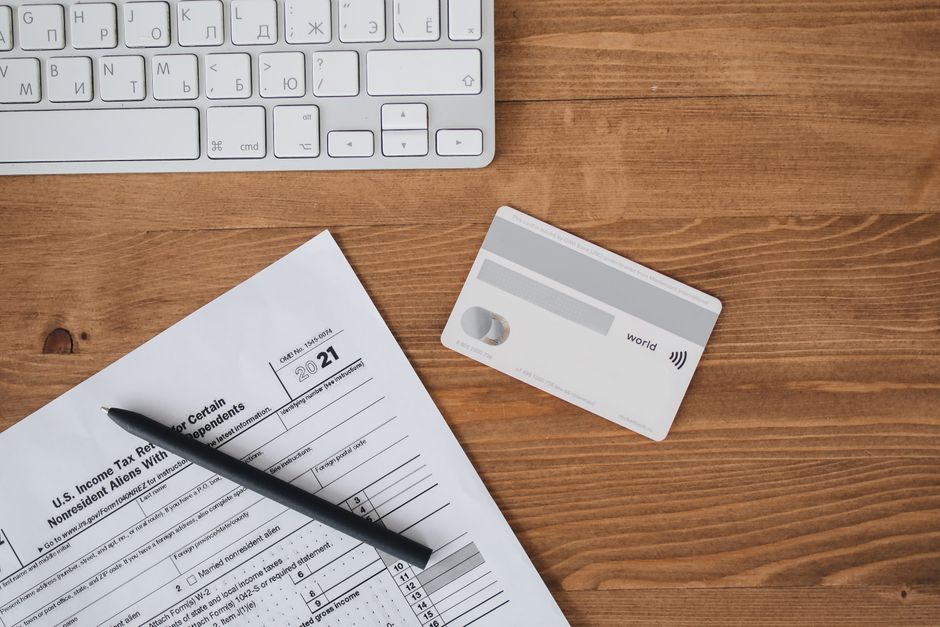
The tax office confirmed on October 1 that it would no longer accept credit card payments from December, citing its inability to absorb the surcharge costs it is now prohibited from passing on to taxpayers under the Reserve Bank's new rules banning credit card surcharges.
The ATO held its ground at a meeting with business groups on Wednesday, with those groups complaining the agency was dodging a financial burden the government was simultaneously imposing on private vendors. The decision affects a relatively small proportion of taxpayers — about 2.3 per cent of tax payments were made by credit card in the 2024–25 financial year — with most of those coming from privately owned wealthy groups, public entities, and multinational businesses.
The tax office has said it will write directly to those with payment plans linked to credit cards, outlining the changes and the alternatives available to them. Details of those alternative arrangements and the broader impact on small businesses have already drawn sharp criticism from industry groups.
Labor Minister Urges ATO to Reconsider
Labor frontbencher Claire O'Neill publicly acknowledged the government's unease, telling reporters on Thursday that the ATO's firm stance was causing real worry — particularly for small businesses that rely on credit cards to manage cash flow.
"The government does have some real concerns about what the ATO is proposing to do here," O'Neill said. "Cash flow is the biggest thing that's often of concern for small business and using credit cards to pay tax bills is a way that a lot of people are just managing that issue. We really want the ATO to go back and talk to business about what they've decided to do here."
Her comments came despite Digital Economy Minister Andrew Charlton publicly backing the ATO's position. Charlton argued the agency did not want the 98 per cent of taxpayers who do not pay by credit card to effectively subsidise those who do. He also pointed to existing ATO payment plan options for small businesses, noting the interest rates on those plans were considerably lower than typical credit card rates. He added that lower caps on interchange fees between banks and card issuers — which also came into effect on October 1 — could help soften some of the policy's early pain points.
Opposition Slams 'Double Standard' on Surcharges
The political pressure from outside the government was equally sharp. Nationals Senate leader Bridget McKenzie accused the government of applying a blatant double standard — forcing businesses to absorb credit card surcharge costs while allowing the ATO to simply opt out of accepting the cards altogether.
"The prime minister promised that removing the surcharge would make coffees go down somehow — evanesco, surchargio, disappearo," McKenzie said. "The government needs to direct the ATO to accept credit cards because the reality is, if you're paying cash or card right now, you are paying a surcharge for Labor's economic failure."
Opposition frontbenchers have been urging the government to use its authority to push the ATO to reverse course, while business groups have made similar calls for the agency to reconsider. The surcharge ban, handed down by the Reserve Bank, is expected to save consumers approximately $1.6 billion a year — but its rollout has proven more contentious than initially anticipated.
The tension within Labor over the ATO's stance is the latest complication in the government's handling of the surcharge ban and its consequences for small businesses, with pressure mounting from both within and outside the party for a clearer resolution before December's credit card payment deadline arrives.