Deep inside Kakadu National Park, a small gallery in the town of Jabiru is struggling to keep up with demand for the work of one of its most celebrated artists. Ivan Namarnyilk, a Blaldja artist known for his intricate x-ray style paintings, is producing pieces so sought-after that tourists are attempting to purchase them before he has even set down his brush.
"I'm not a machine," Namarnyilk jokes, working with slow, deliberate strokes using a manyilk, a traditional brush crafted from sedge grass. "You gotta be patient, no rushing. We gotta be steady."
A Tradition Passed Down Through Generations
Namarnyilk learned his craft from his father, himself a prominent artist at Mudginberri Station, and has been painting rock art-inspired works on paper since his teenage years. More than three decades later, the practice remains deeply personal and culturally significant.
"My art is really, really special," he says. "It's really special for me and for my future kids."
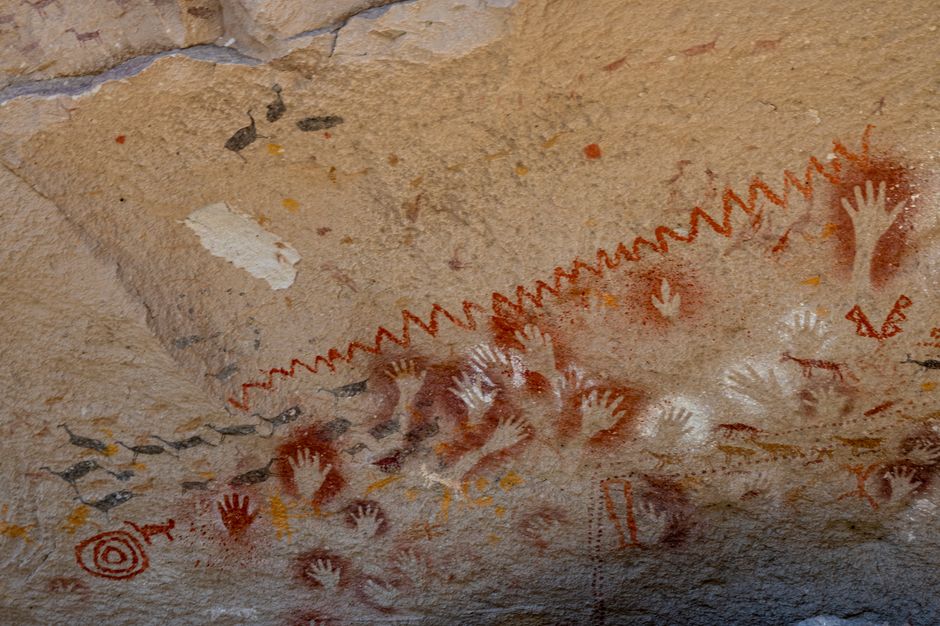
His works are painted predominantly with natural pigments, including red ochre, white clay and yellow ochre, and typically feature local animals and cultural totems rendered in the distinctive x-ray style associated with West Arnhem Land rock art. Subjects include spirit figures, kangaroos, echidnas, turtles and fish such as barramundi and black bream.
Each finished work is completed with Namarnyilk's signature: a handprint applied using mouth-blown clay, a technique that connects his contemporary paintings directly to ancient rock art traditions.
"We respect our totems," he says, noting that his father's totem is the wedge-tailed eagle and his mother's is the mud crab.
Solo Exhibition Marks a Milestone
In August, Namarnyilk held his first solo exhibition during the Mahbilil Festival in Jabiru, selling thousands of dollars worth of work. He described the experience of sharing his pieces publicly as "really special" and said the income plays a vital role in supporting his family and community.
"I like helping my community," he said.
The exhibition marked a significant moment in an artistic career that has grown steadily in profile, with demand for his paintings now at its highest point.
Marrawuddi Arts and Culture Centre: A Lifeline for West Arnhem Artists
The Marrawuddi Arts and Culture Centre in Jabiru has been a cornerstone of the regional arts community for 25 years, with more than 500 West Arnhem Indigenous artists having sold work through the gallery in that time. Around 30 artists are regular contributors, with the centre purchasing their works upfront.
Business manager Caron Farrell says 40 per cent of all sales proceeds go directly towards keeping the centre operational, making every purchase a contribution to the gallery's survival as well as to the artists themselves.
"This space does all of West Arnhem so it's really important for the artists to be able to bring their art here in all different forms," Farrell says.
She says visitors are often surprised by the breadth and variety of the work on display, particularly those more familiar with dot painting traditions from central Australia.
"Obviously, West Arnhem, it's art that you see on all the rock formations, compared to say, central desert, where it's the dot painting," she explains. "You find visitors are quite taken aback to the different styles that are here."
Farrell says watching artists paint, scratch, draw and weave onsite before buying their work is a unique drawcard for tourists passing through Jabiru, and that keeping visitor numbers strong is essential to the centre's future.
"It's really important for Jabiru to get the tourists in and keep this place going for that art to be in homes," she says, noting that finished pieces travel back with buyers to destinations around the world.
Culture Carried Forward
For Namarnyilk, the commercial success of his paintings is inseparable from their deeper purpose. He sees his art as a living expression of connection: to country, to community and to the generations that will follow.
"My art is like the country, the animals, the people," he says. "Everything has connection."