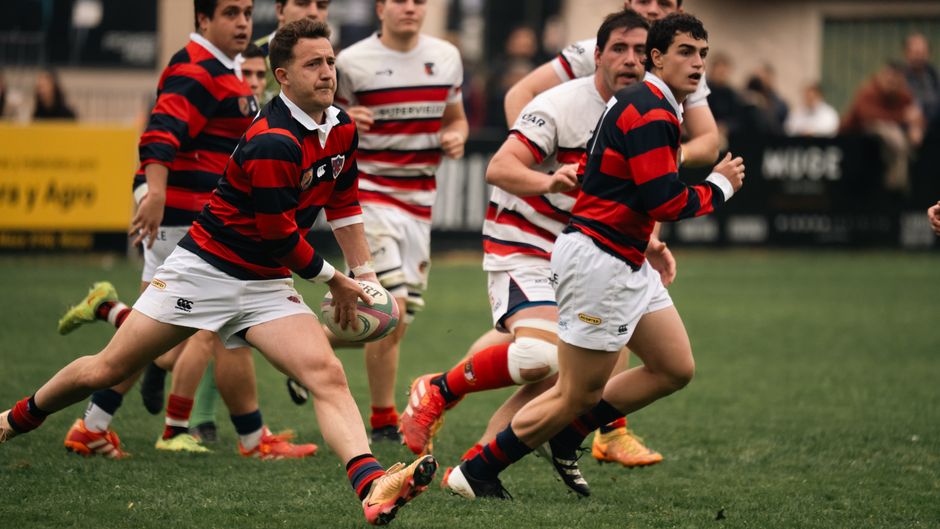
Joey Manu and his family have toured the PNG Chiefs' Port Moresby facilities as the former Sydney Roosters centre gives serious consideration to a high-value return to rugby league with the NRL's incoming franchise — a deal understood to be in the vicinity of his current French rugby wage of €1 million ($1.6 million) per season.
The 29-year-old, who left the NRL as one of the competition's most dangerous centres following a 181-game Roosters career, has been in discussions with PNG officials for several weeks over a marquee contract to join Willie Peters' inaugural 2028 roster. The Monday visit to Port Moresby marks a significant step in those negotiations.
Why the PNG Chiefs can offer what no other NRL club can
Manu's earning power has long placed him beyond the reach of most NRL clubs. When he departed the Roosters, his final-year offer from the club was estimated at around $800,000 — roughly half what he now commands at French Top 14 side Racing 92. The NRL salary cap is projected to climb to at least $15 million in 2028 on the back of the competition's record $5.3 billion broadcast deal, representing a potential 24 per cent increase, but that alone would not be enough for most clubs to match overseas rugby wages without seriously disrupting their cap structures.
The Chiefs, however, hold a unique financial advantage: a tax-free wages arrangement between the Australian and PNG governments. Manu's existing Australian resident status means any contract with Port Moresby would be tax-exempt, effectively amplifying the value of whatever salary is offered. It is a mechanism that the Roosters — or any other traditional NRL club — simply cannot replicate.
Sources familiar with the negotiations, speaking on the condition of anonymity, indicate that 2027 will be Manu's final season in European rugby, with the star keen to return closer to family in New Zealand. A return to Japanese rugby, where he played in 2024 before heading to France, remains a possibility, but the PNG option is being taken seriously precisely because it offers both competitive wages and a return to the thirteen-man code.
Zac Lomax also in the frame for Chiefs approach
Manu is not the only cross-code name on Port Moresby's radar. Zac Lomax, the former Parramatta Eels and NSW Origin outside back who switched codes to join the Western Force, is expected to visit PNG within the coming week to assess his own multi-year offer from the Chiefs.
Lomax's situation carries its own financial dimension. He took a notable pay cut to pursue rugby union after the collapse of the R360 project, and he knocked back a Storm approach for next season as he chases a Wallabies debut ahead of the 2027 World Cup. Beyond that tournament, sources suggest there is an estimated $350,000-per-year shortfall between his current Force earnings and what he was banking at Parramatta — a gap the Chiefs could plausibly fill.
A broader shift in the cross-code talent market
The push for Manu and Lomax reflects a wider pattern in which elite rugby league talent is increasingly mobile — and increasingly expensive to recapture. Mark Nawaqanitawase has impressed in his two NRL seasons but will earn more than double his current club wage when he links with Japan's Saitama Wild Knights later this year, illustrating the financial gravity that overseas markets still exert.
The PNG Chiefs have also made an offer to highly-rated 19-year-old Queensland Reds prospect Treyvon Pritchard, though the Roosters are understood to have entered that race with a competing bid of their own.
It is worth noting the tax-exemption arrangement that makes the Chiefs so attractive is specific to Australian and PNG government arrangements, reducing — though not eliminating — its appeal to players from New Zealand or England. St Helens prop Matty Lees, who signed with the Chiefs last month, is one example of an international player who joined despite that limitation.
For Manu, who is currently holidaying in New Zealand before returning to France in September to fulfil the final year of his Racing 92 contract, a decision is unlikely to be formalised quickly — but the Port Moresby visit signals the conversation is well and truly live.