The assault on federal independent MP Helen Haines has renewed urgent debate about the safety of elected officials across Australia, but an attempt by seven Ipswich City Council members to grant themselves taxpayer-funded home security measures worth up to $6500 each has drawn sharp criticism from their own mayor, who has escalated the matter to the state government.
Ipswich Mayor Teresa Harding has referred the controversial allowance to Queensland Local Government Minister Ann Leahy, after receiving complaints from residents about the way the benefit was approved. Harding argued that elected representatives should not have the power to vote on their own financial entitlements, regardless of the legitimate safety concerns underpinning the decision.
How the Security Allowance Was Approved
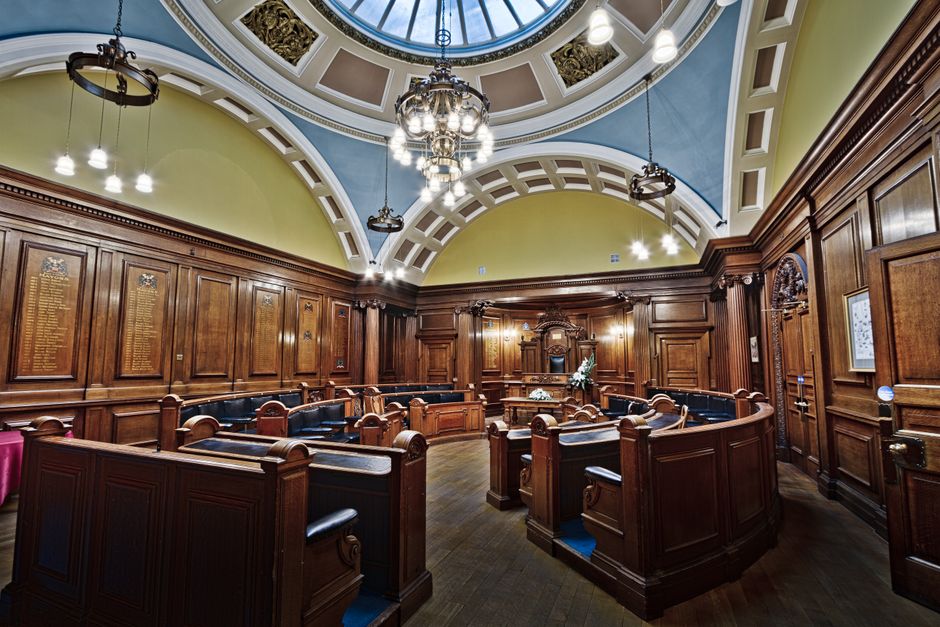
The measure was passed at an Ipswich City Council meeting on October 29, following debate among councillors about escalating threats against public officials. The original motion, put forward by Councillor Pye Augustine, had called for a report to examine existing security arrangements, the legal and financial implications of a possible allowance, eligibility criteria and accountability measures.
However, Augustine amended the motion during the meeting, arguing that councillors required immediate protection rather than a prolonged review process. The amended motion cited what it described as "a range of serious safety and security issues directed towards elected members across Australia" and was ultimately carried by seven councillors.
Augustine also disclosed that she had personally been threatened approximately a year earlier, an incident serious enough to result in an exclusion zone being imposed on an individual at council premises. "For me, there's still a clear and present danger associated with this risk," she said.
The proposed $6500 allowance was modelled on a similar scheme available to Queensland state MPs, which covers home protection measures including security cameras.
Mayor's Backlash: Process Lacking Oversight and Consultation
While Harding acknowledged that the threats faced by councillors are genuine, she took strong exception to the way the decision was reached. She said the allowance had been approved without public consultation, independent expert advice or proper oversight mechanisms.
"There is no doubt in my mind that this motion was put forward to address legitimate concerns. However, having councillors allocate and approve their own financial benefits is something that does not sit well with Ipswich ratepayers," Harding said.
She noted that the Queensland MPs' equivalent scheme, which the Ipswich allowance was based on, is determined independently by the Queensland Independent Remuneration Tribunal, rather than voted on by politicians themselves. That distinction, she argued, is crucial.
"I believe that any decision involving the allocation of ratepayer funds for the benefit of elected representatives, regardless of how well intentioned it may be, should be subjected to an appropriate level of independent scrutiny," Harding said.
She added that she had originally been prepared to support the original version of the motion, which called for a report rather than an immediate allocation of funds. "I was originally happy to support the original motion as in bringing a report forward, but now with this change I won't be supporting it," she said.
Mayor Reveals Her Own Security Threat History
Despite her opposition to the process, Harding did not dismiss the broader issue of personal safety for elected officials. She revealed that Queensland Police conducted a formal threat assessment involving her and her family shortly after she was elected mayor in 2020.
"I personally recall a meeting initiated by QPS when I was first elected in 2020 where they outlined the threat assessment for me and my family," she said.
Harding also disclosed that she has since sought police assistance over her own security concerns and arranged protective measures, all funded out of her own pocket rather than through public money.
"I have done so at my own expense, including support from the local police. Being a public figure, particularly when you are a woman, can unfortunately attract negative and sometimes aggressive or threatening attention," she said.
Her comments reflect a broader pattern emerging among elected representatives across the country, with multiple politicians reporting that threats directed at them and their families have been intensifying in recent years.
What Happens Next
By referring the matter to Minister Leahy, Harding has effectively handed the question of whether the allowance stands to the state government. The referral signals that the debate over appropriate security support for local councillors is unlikely to be resolved quickly within Ipswich alone.
The situation also highlights a wider policy gap at the local government level. While state MPs in Queensland have access to independently assessed security entitlements, no equivalent independent framework appears to exist for councillors, leaving local elected officials in a difficult position when seeking formal protection measures.
The attack on Helen Haines has amplified calls across all levels of government for a more systematic, transparent approach to politician safety. For now, Ipswich councillors who voted for the allowance find themselves caught between their genuine concerns about personal security and a mayor willing to push back publicly on the way they went about addressing those concerns. For those interested in what professional security arrangements can look like, resources on leading security companies in Australia illustrate the range of options available to individuals and organisations seeking protection.