Australians are smoking at the lowest rates in decades, but a surge in illicit tobacco use is threatening to undermine years of hard-won public health progress, according to sweeping new national data released by the federal government's Australian Institute of Health and Welfare (AIHW).
The 2025 National Drug Strategy Household Survey, which drew responses from more than 17,500 Australians aged 14 and over, paints a mixed picture of the country's relationship with nicotine — encouraging declines in smoking and vaping sit alongside a dramatic rise in the black-market tobacco trade.
Smoking and Vaping Rates Continue to Fall
The proportion of Australians smoking daily has dropped significantly, falling to 5.6 per cent in 2025, down from 8.3 per cent recorded in the previous 2022–23 survey. That figure represents a remarkable long-term decline from 19.5 per cent back in 2001, reflecting decades of sustained public health campaigns, plain packaging laws and steep tobacco taxes.
Vaping rates, meanwhile, appear to have stabilised. Daily e-cigarette use was recorded at 3.6 per cent, barely changed from 3.5 per cent in the prior survey — though that figure itself had risen sharply from just 1.1 per cent in 2019. An AIHW spokesperson described the stabilisation as "one of the things that was more surprising" about the latest results.
Among young adults, there were further encouraging signs. Daily vaping in that age group dipped from 9.3 per cent to 8.3 per cent, while less frequent use dropped more substantially — from 11.3 per cent to 5.8 per cent.
Illicit Tobacco Use More Than Doubles — and Experts Are Alarmed
Against those positive trends, the data reveals a deeply concerning counterforce: the use of illicit tobacco among smokers has more than doubled, jumping from 16.7 per cent to 34 per cent.
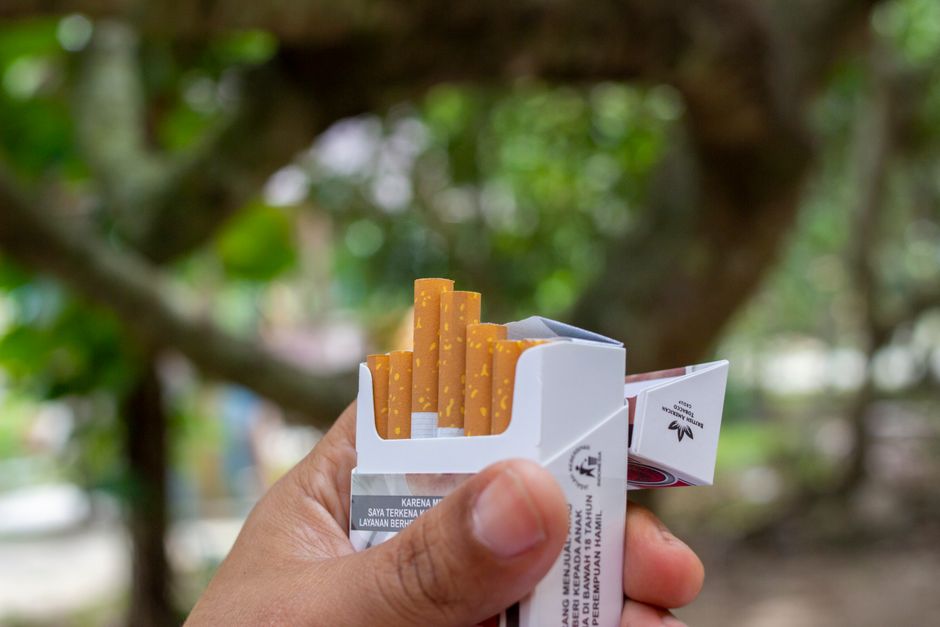
Nearly one in four smokers surveyed reported purchasing branded tobacco products without plain packaging or mandatory health warnings in the previous three months. A further one in six said they had used unbranded illicit tobacco — loose cigarettes or tobacco sold in plastic bags. More than half of those who bought illicit branded products said they sourced them from a tobacconist.
Under Australian law, all tobacco must be sold in plain packaging free of logos or branding, and every product is subject to a high excise duty. Any tobacco on which that tax has not been paid is considered illegal.
The price gap between legal and illicit products is a central driver of the problem. Legal tobacco prices have nearly tripled over the past decade, while the estimated cost of illicit alternatives has remained largely stable — making black-market tobacco an increasingly attractive option for price-sensitive smokers.
Why This Trend Could Set Back Quit Rates
A professor of public health at the University of Sydney who has spent more than two decades working in tobacco control said she had been bracing for these findings amid what she described as an "explosion" in cheap tobacco availability.
"We can see now that, absolutely, more smokers are using illicit tobacco products, and that's a huge concern to me," she said.
She identified price as the second most commonly cited reason people choose to quit smoking — after health concerns — warning that widespread access to cheap illicit tobacco could erode one of the most powerful levers public health authorities have.
"If we have a significant portion of smokers getting around that sort of price disincentive, it means those smokers may be less likely to quit," she said.
She pointed to two key factors fuelling the surge: the substantially lower price of illicit products and how easy they have become to find, noting that illegal tobacco has become openly available in many retail settings.
A Shifting Nicotine Landscape
The survey also found evidence of growing multi-product nicotine use — where individuals use more than one type of nicotine product simultaneously — adding further complexity to the public health picture.
While the long-term trajectory of Australian smoking rates remains one of the great successes of preventive health policy, the illicit tobacco trend represents a significant and growing challenge for regulators and health authorities heading into the years ahead.