With Australian temperatures set to climb sharply this summer, a finance expert is warning that one of the most common air-conditioning habits could be quietly adding hundreds of dollars to household electricity bills. The advice is simple but the savings can be significant, covering everything from thermostat settings to low-tech alternatives for homes without air conditioning.
The Air-Con Mistake Costing Australians Money
A consumer finance expert has flagged that blasting the air conditioner at very low temperatures might feel like the fastest fix on a sweltering day, but the financial cost can be substantial. The key issue is that a home is far larger than a confined space like a car, meaning the system has to work much harder to reach and maintain a very low target temperature.
The recommended sweet spot is 24 to 25 degrees Celsius. According to the expert, every single degree you drop below that on the remote adds five to ten per cent to your running costs.
"Every time you go one lower on your air-con remote, is an extra five to ten per cent onto your running costs," the expert noted.
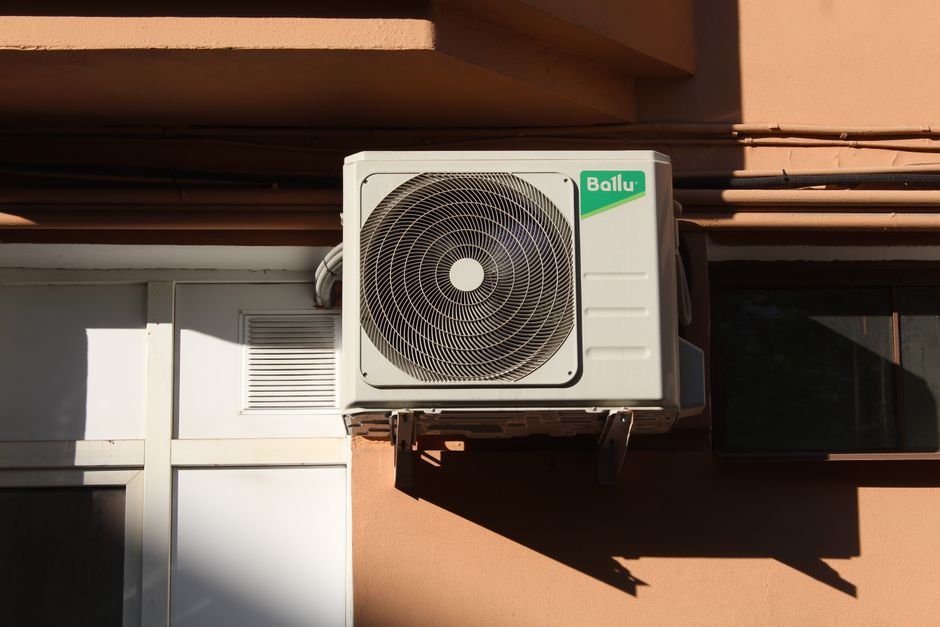
Beyond the thermostat, there are several straightforward steps households can take to get more out of their air conditioning systems without driving up costs:
- Clean filters regularly to maintain airflow and efficiency.
- Arrange annual servicing to keep the unit in good working order.
- Seal gaps around doors and windows to stop cool air from escaping.
- Invest in home insulation where possible, which helps retain cool air for longer periods.
- Use the air conditioner's eco mode, which reduces system workload once the desired temperature has been reached.
Households with solar panels or a time-of-use electricity plan may also be able to reduce costs further by cooling the home during off-peak or cheaper periods of the day. However, the expert cautioned this strategy is only worthwhile for customers already on a competitively priced electricity plan. If you are setting up a new home and comparing electricity providers, our guide to finding the right electricity provider can help you identify a plan that suits your usage habits.
Cheap Cooling Tips for Homes Without Air Conditioning
Not every household has access to air conditioning, and running costs can still be a barrier for those who do. Fortunately, there are several low-cost alternatives that can provide genuine relief during the hottest parts of the day.
Fans were described as one of the cheapest and most effective tools available, costing as little as 1.5 cents per hour to run.
"Fans are your best friend. 1.5 cents per hour, that's how much they cost to run, it's absolutely nothing," the expert said.
To maximise the effect of a ceiling fan, it should be set to rotate anti-clockwise during summer, pushing air downward to create a direct cooling breeze. Closing blinds before direct sunlight hits windows can also significantly reduce indoor temperatures before they build up during the day.
For a quick additional cooling boost, placing a frozen water bottle in front of a fan can lower the air temperature in a small area, providing localised relief even if it cannot cool an entire room. Other practical suggestions include applying frozen face washers to pulse points such as the neck and arms, or soaking feet in an icy bath before bed.
Planning Ahead to Stay Cool and Manage Costs
The core message from the expert is that smart, modest choices, such as keeping the thermostat at a reasonable level, maintaining equipment and using fans strategically, can make a meaningful difference to both comfort and cost across a long Australian summer. With energy prices remaining a pressure point for many households, taking a proactive approach before the peak of the season is likely to pay off. Those living in areas prone to supply disruptions should also plan alternative cooling strategies well in advance.