Understanding Cholesterol
Cholesterol is a waxy, fat-like substance found in every cell of the body. It plays a vital role in producing hormones, vitamin D, and substances that aid digestion. However, balance is key, as excessive cholesterol can pose health risks.
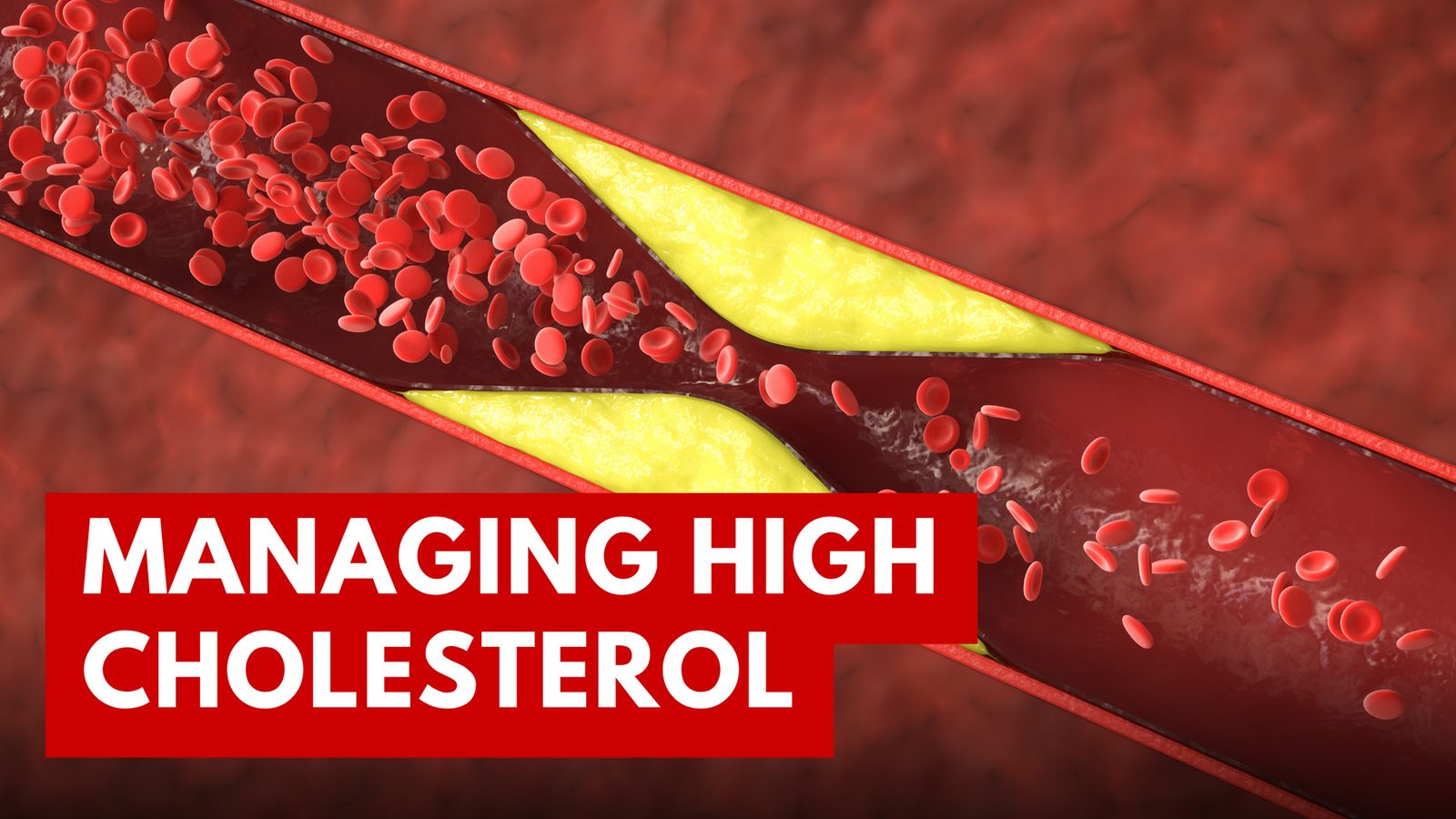
There are two main types of cholesterol: low-density lipoprotein (LDL) and high-density lipoprotein (HDL). LDL is often labeled as "bad" cholesterol since it can accumulate on artery walls, forming plaque that leads to blockages. Conversely, HDL is known as "good" cholesterol because it helps transport excess cholesterol from the bloodstream to the liver, where it's processed and removed.
To visualize this, imagine LDL as delivery trucks depositing cholesterol into your arteries, while HDL acts like garbage trucks, cleaning up the excess.
Cholesterol is essential for maintaining cell membrane integrity and producing necessary compounds. However, maintaining a healthy balance between LDL and HDL is crucial for preventing heart disease and other health complications.
Understanding these differences and their roles in the body is the first step towards managing cholesterol effectively through diet and lifestyle changes. This knowledge empowers you to make informed choices for better heart health.
Causes of High Cholesterol
High cholesterol can stem from various factors, and understanding these can help in managing it effectively. Genetic factors play a significant role. Some individuals inherit conditions that cause their bodies to produce too much cholesterol, irrespective of their diet or lifestyle.
As we age, our risk of high cholesterol increases. Statistics show that cholesterol levels often rise after the age of 20, with a notable spike in individuals over 45. This age-related change demands greater attention to cholesterol management in older adults.
Dietary habits are pivotal in influencing cholesterol levels. Consuming foods high in saturated and trans fats can elevate LDL cholesterol, often dubbed "bad" cholesterol. On the other hand, adopting a diet rich in fiber and healthy fats can help mitigate this risk.
Lifestyle factors, such as lack of exercise and smoking, also contribute to high cholesterol. Regular physical activity can boost HDL, the "good" cholesterol, while smoking has the opposite effect. Here's a simple table summarizing these impacts:
Factor
Impact on Cholesterol
Exercise
Increases HDL
Smoking
Decreases HDL
Recognizing these causes is crucial for crafting a strategy to manage cholesterol effectively, paving the way for a heart-healthy lifestyle.
The Role of Diet in Cholesterol Management
Diet plays a pivotal role in managing cholesterol levels, capable of making a significant impact on your heart health. By focusing on certain foods, you can reduce "bad" cholesterol (LDL) and boost "good" cholesterol (HDL), promoting overall cardiovascular well-being.
To lower cholesterol, incorporate more of these nutrient-rich options into your meals:
Fruits like apples, strawberries, and citrus fruits
Vegetables such as leafy greens, broccoli, and carrots
Whole grains like oats, barley, and quinoa
Lean proteins from fish like salmon and chicken
Healthy fats found in avocados, nuts, and olive oil
Conversely, it's crucial to limit foods high in saturated and trans fats, which can raise LDL cholesterol. These include:
Red meat and processed meats like bacon and sausage
Full-fat dairy products such as butter and cheese
Fried foods and baked goods made with partially hydrogenated oils
By making mindful dietary choices, you can harness the power of nutrition to keep cholesterol levels in check and support a heart-healthy lifestyle.
Creating a Heart-Healthy Meal Plan
Designing a heart-healthy meal plan involves striking a balance between various nutrient-dense foods. Each meal should ideally contain a mix of lean proteins, whole grains, and plenty of fruits and vegetables. Incorporating healthy fats from sources like olive oil and nuts can also support cholesterol management.
Below is a sample meal plan for a week to guide you:
Day
Breakfast
Lunch
Dinner
Monday
Oatmeal with berries
Grilled chicken salad
Baked salmon with quinoa
Tuesday
Greek yogurt with fruit
Lentil soup and whole grain bread
Stir-fried tofu with vegetables
*Portion control is crucial.* Start by using smaller plates to help manage serving sizes and avoid overeating. *Remember*, listening to your body's hunger cues can guide you in maintaining a healthy portion size. By following these guidelines, you can create a sustainable meal plan that not only supports heart health but also fits your lifestyle effortlessly.
Frequently Asked Questions
What are the best foods for lowering cholesterol? Consuming a diet rich in fruits, vegetables, whole grains, and lean proteins is beneficial for lowering cholesterol levels. Foods high in soluble fiber, like oats and beans, help reduce LDL, while healthy fats from sources like avocados, nuts, and olive oil support overall heart health. "Eating more fiber-rich foods can make a significant difference in managing cholesterol."
How often should I check my cholesterol levels? It's recommended to have cholesterol levels checked every four to six years for adults over 20. However, those with a history of heart disease or other risk factors should consult their doctor for more frequent testing. "Regular monitoring can help catch changes early and guide dietary adjustments."
Can exercise really help lower cholesterol? Yes, regular exercise can help improve cholesterol levels! It raises HDL ("good") cholesterol and can lower LDL ("bad") cholesterol. Aim for at least 150 minutes of moderate exercise per week. "Incorporating physical activity into your routine boosts heart health remarkably."
Conclusion
Managing high cholesterol is crucial for maintaining a healthy heart and preventing serious health issues. We've explored how understanding cholesterol—differentiating between LDL and HDL—and recognizing its role in the body is foundational. Addressing causes like genetics, age, and lifestyle is essential too.
A heart-healthy diet, rich in fruits, vegetables, lean proteins, and healthy fats, plays a pivotal role in managing cholesterol levels. Avoiding foods high in saturated and trans fats is key. By making these dietary adjustments, you can take significant strides toward improving your cholesterol and overall heart health.
We encourage you to embrace these changes. Implementing a balanced meal plan not only helps control cholesterol but also enhances your well-being. Remember, small, consistent steps can lead to significant health benefits.
Ultimately, prioritizing heart health is an invaluable investment in your future. Your journey to lower cholesterol and a healthier heart can begin today with informed choices and commitment. Keep striving for better health, and your heart will thank you.