A fluorescent pink slug found nowhere else on Earth could soon stand metres tall beside an Australian highway, with Narrabri Shire Council in north-west New South Wales throwing its weight behind a proposal to build a giant roadside monument celebrating the endangered Mount Kaputar pink slug.
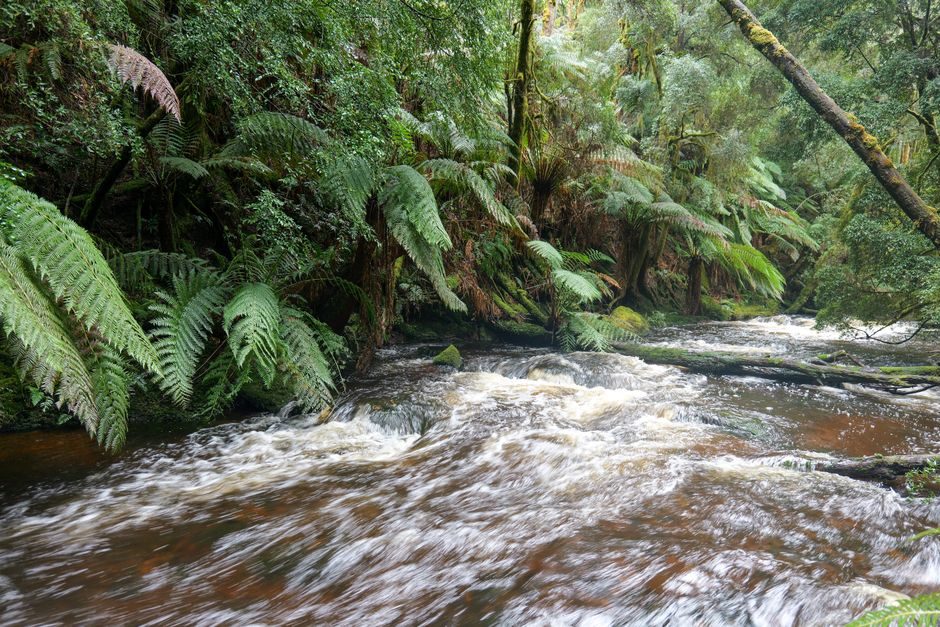
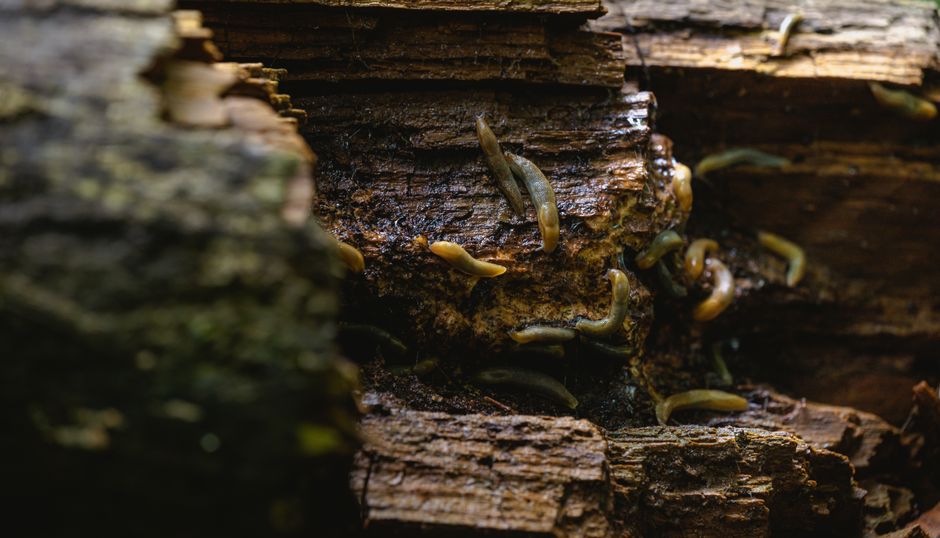
The creature — which grows up to 20 centimetres long and is immediately recognisable by its vivid hot-pink colouring — lives exclusively in the high-altitude forests of Mount Kaputar National Park, roughly 50 kilometres east of Narrabri. Council is now hoping a supersized version of the mollusc could draw travellers off the highway and into a region many pass through without stopping.
From Joke Gift to Tourism Vision
The idea has an unlikely origin story. Narrabri mayor Darrell Tiemens said the concept was sparked during a meeting with representatives from sister-city Randwick Council in Sydney, when the Narrabri delegation handed out small rubber slugs as a lighthearted gift.
"We gifted all of them little pink rubbery slugs. It was just a little joke," Tiemens said. "But then we gave them the story of these pink slugs that can be up to 20 centimetres long, and they exist nowhere else on the planet, and they're part of a very unique ecosystem up on Mount Kaputar National Park which is the most inland alpine environment in Australia."
The response was immediate. Randwick councillors unanimously agreed to help Narrabri identify potential funders for the project, giving the proposal its first formal show of support.
If built, the sculpture would measure somewhere between 10 and 20 metres in length, depending on how much funding can be secured. No final design has been chosen yet, but Tiemens said the council wants the finished product to be genuinely striking.
"We just think if it's done in a really tasteful, cool, artistic, creative way, then I think it'll be a great thing," he said.
A Species That Survived Bushfire and Captured the World's Attention
The Mount Kaputar pink slug is no stranger to the spotlight. The species drew international concern during the Black Summer bushfires of 2019–20, when fires tore through large sections of the national park and conservationists feared the slug may have been wiped out entirely. Surveys conducted afterwards found surviving populations near the summit, prompting intensified monitoring and protection efforts.
The slug's unusual profile has also inspired younger Australians. In 2023, then 13-year-old Griffin Barber — captivated by the species — entered a piece depicting the pink slug into the Australian Conservation Foundation's Wild at Art: Threatened Species Art Competition, taking out first prize in the Most Unusual Artwork category.
Despite the animal's fame, many locals — including the mayor's own family — have never seen one in the wild. Tiemens said the slugs are extraordinarily elusive, emerging only on "very dark, grey, misty, rainy days." He himself has spotted one just twice. Just days before the proposal gained wider attention, a local councillor encountered the creature for the first time while accompanying American tourists through the national park.
Putting Narrabri on the Map
Beyond the novelty factor, Tiemens sees the monument as a way to reframe how travellers think about the Narrabri region — a stretch of highway that many treat as a mid-point between Melbourne and Brisbane rather than a destination in its own right.
"A lot of people see Narrabri as a place to stop on the way," he said. "Quite often people stop here, they stay in a hotel, they go to our restaurants and our pubs and the Maccas, without knowing this ancient mountain range is outside their door."
The council has been explicit that ratepayers will not foot the bill. Instead, the project will rely on grants, corporate sponsorships and philanthropic donations. Tiemens has even floated the idea of a bequest.
"If there are people out there who are philanthropists, someone wants to leave a big pink slug monument in their will, we would be very happy to accommodate that," he said.
If funding comes through, the giant slug would join Australia's long and beloved tradition of oversized roadside icons — adding one of the country's most ecologically distinctive and culturally rich creatures to that pantheon.