US President Donald Trump has floated renaming the Strait of Hormuz "Trump Strait" amid escalating tensions with Iran, continuing a pattern of controversial geographical rebranding that has already seen Lake Ontario officially redesignated "Lake America" — and sparked a wave of resistance from Canadians who say their identity is not up for grabs.
Trump floats 'Trump Strait' amid Hormuz tensions
The latest renaming suggestion emerged as Trump claimed the United States had taken full control of the strategically vital waterway connecting the Persian Gulf to the Gulf of Oman. "Now that we have it under U.S.A. control, should we change the name Hormuz Strait to TRUMP STRAIT??? Like America itself, it would be 'hotter' than ever before!" Trump wrote on his Truth Social platform.
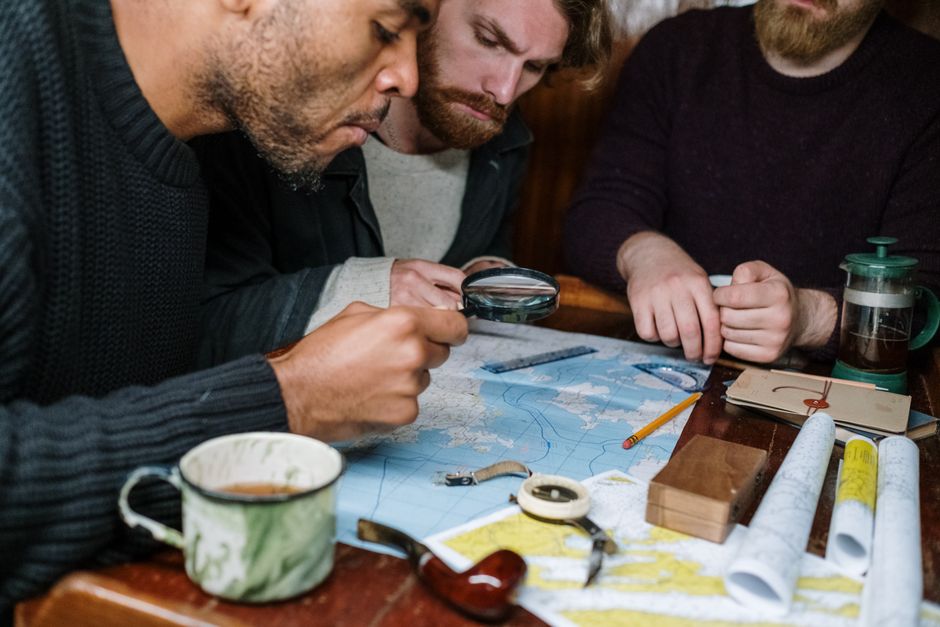
The White House amplified the idea by posting a map of the Gulf bearing the suggested new name, with the caption: "It's got a nice ring to it." Trump has in recent weeks repeatedly threatened to claim sovereignty over the strait, at one point posting a map depicting it as "new US territory." You can read more about his broader posture toward the waterway in our earlier report on how Trump declared the US the guardian of the Strait of Hormuz.
Hours after the post, however, Trump appeared to walk it back. When asked by a reporter whether he was serious, the 80-year-old president laughed it off. "It was just thrown out there," he said with a chuckle. Yet observers have noted that several of Trump's previous "jokes" about renaming or annexing territory have subsequently been turned into official policy — making it difficult to dismiss the suggestion outright.
Lake Ontario becomes 'Lake America' — and Canadians fight back
The Hormuz suggestion follows Trump's executive order renaming Lake Ontario "Lake America", signed last week during an intensifying trade dispute with Canada. That idea, too, was initially floated casually before being formalised through official channels.
The renaming has drawn sharp criticism in Canada, where the lake's name carries both historical and Indigenous significance predating the formation of the province of Ontario itself. For many Canadians, the move is seen as part of a broader pattern of US aggression — economic, rhetorical, and now cartographic.
One entrepreneurial response has gained particular traction. Liam Mooney, a 40-year-old Canadian entrepreneur, began producing a baseball cap bearing "Lake Ontario" on the front — complete with a small maple leaf — and "Canada is not for sale" on the back, shortly after the executive order was signed. "We've received several thousand orders at this time all around the world," Mooney said. He described the renaming as "absurd" and "extremely dangerous," arguing that Lake Ontario is "a shared responsibility" between the two countries that demands mutual respect.
Proceeds from the cap sales will go toward an organisation dedicated to protecting the lake. It is not Mooney's first venture of this kind — last year he produced a similar hat bearing "Canada is not for sale" in response to Trump's repeated suggestions that Canada should become the 51st US state. That cap gained widespread attention after Ontario Premier Doug Ford was photographed wearing it at a meeting with federal officials to discuss the brewing trade dispute.
A broader campaign of geographical provocation
The geographical rebranding forms part of a wider pattern during Trump's second presidency, in which the administration has used maps and naming conventions as geopolitical tools. At the start of his current term, Trump also ordered the Gulf of Mexico to be renamed.
The diplomatic backdrop is increasingly fraught. Canadian Prime Minister Mark Carney broke off trade talks with Washington on 21 August, accusing the White House of pushing an "unfair" deal. Both countries subsequently imposed fresh tariffs on each other, deepening a standoff between two of the world's closest trading partners.
For now, the Strait of Hormuz retains its name — but given recent precedents, few observers are ruling anything out.