In Western Australia's iron ore and gas-rich Pilbara region, where hundreds of millions of dollars worth of natural resources leave port every single day, residents of one of the north-west's oldest towns are still fighting to keep fresh food on their shelves. Roebourne, known to its Traditional Owners as Ieramugadu, sits at the far end of a supply chain that stretches thousands of kilometres, making basic groceries both scarce and expensive for a predominantly Aboriginal community of fewer than 1,000 people.
Wealth on the Horizon, Hunger on the Street
The contradiction is hard to ignore. Industrial salt pans line the Pilbara coastline, railway lines carry iron ore to port, and offshore gas plants light up the horizon. Yet for residents of Roebourne, situated on Ngarluma country, access to fresh fruit, vegetables and pantry staples has long been unreliable.
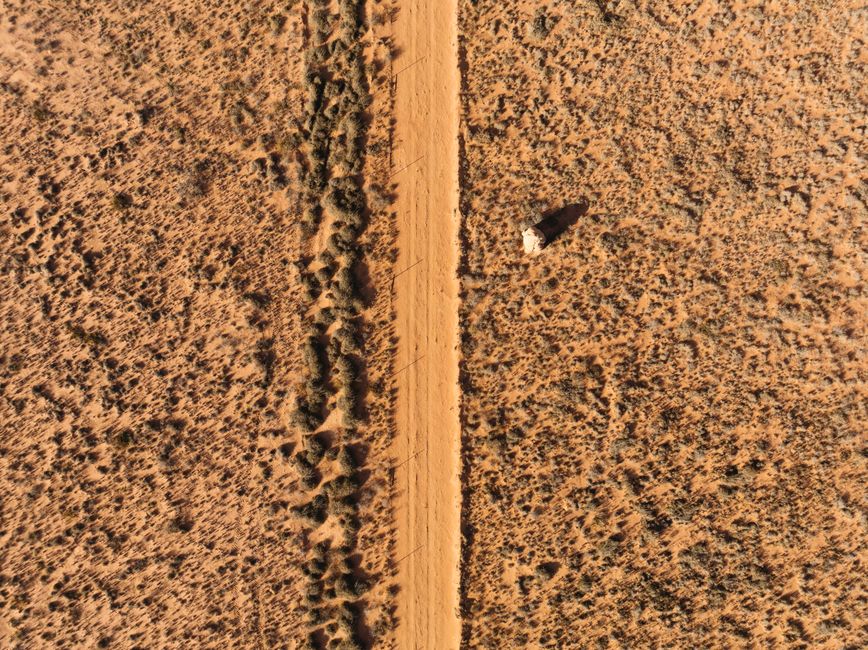
The town has just one place to buy fresh produce: the Ieramugadu store on Roe Street. The nearest supermarkets are 13 kilometres away in Wickham and 40 kilometres away in Karratha. Almost everything the community eats is hauled by road train from the state's south-west and other major supply centres, travelling through wheat country and saltbush before reaching the red dirt of the Pilbara. The distance adds cost, and perishable goods are particularly vulnerable to handling delays along the way.
As writers and researchers have noted when examining First Nations communities and their relationship to country and self-determination, the challenges facing places like Roebourne are rarely simple or isolated.
When the Shelves Went Empty
Roebourne's food access situation reached a crisis point in October 2019, when the town's only grocery store closed its doors. For the next two years, residents were left with almost no local options for buying food. The lone service station became the default fallback, its shelves stocked primarily with dehydrated and long-life products rather than the fresh produce a community depends on for good health.
The closure exposed just how fragile the supply chain serving remote communities can be. Regional centres along the same supply network draw on the same distribution hubs, meaning Roebourne, at the furthest point, receives what remains, if anything does.
A Community Hub Rebuilds from the Inside
Today, there are signs of recovery. The Ieramugadu store has reopened, and in its adjoining cafe, Amieriya Samson, a 21-year-old Ngarluma and Nyamal woman known affectionately as Dolly, works the coffee machine. She describes the space as one that has transformed the town's main strip, which was largely deserted before the cafe opened.
"It's very busy. It's beautiful," she says, pointing to locals, elders and community members now coming through the doors for tea, cakes and connection. "Locals, elders and other people coming in having tea, cakes and just coming in to see us, see their grandchildren working. I feel like it makes them happy."
Plastered to the side of the coffee machine is the word 'nyinyart', a Ngarluma concept meaning reciprocity, sharing and looking after one another. It is the guiding philosophy of the social enterprise Samson works within, and for her, it is personal. She says she has grown up in this community and chosen to stay and serve it, describing herself as a young role model for others who might do the same.
The Bigger Picture for Remote Australia
Roebourne's experience reflects a broader tension playing out across remote and regional Australia, where economic pressures continue to fall hardest on those with the least. Communities sitting alongside enormous resource wealth frequently lack the infrastructure and investment needed for reliable access to basics like fresh food.
For Roebourne's residents, the abundance visible on the shelves during a recent visit is welcome, but the memory of empty shelves and years of hardship serves as a reminder of how quickly circumstances can change at the end of a very long supply chain.